

Kyoto is one of the most famous and most beautiful cities in Japan. For more than a thousand years, it served as the country’s capital, and today it’s known for its temples, shrines, traditional streets, and historic districts. Many of the images we associate with Japan, wooden houses, pagodas, and lantern-lit alleys, are found right here in Kyoto.
We arrived in Kyoto after spending time in Kamikochi and Takayama, two places that felt calm and much less crowded. Coming from those quieter areas, Kyoto felt very different from the moment we stepped off the train.
With 17 UNESCO World Heritage Sites and more than 2,000 temples and shrines, it’s easy to see why Kyoto has become one of the most visited cities in Japan. It’s a city full of history and culture, but because of its popularity, it also needs a bit of planning to enjoy properly.
In this Kyoto travel guide, I’ll share the best things to do and see in Kyoto, where to stay, how many days you really need, and practical tips to help you make the most of your time here.
If you prefer to see everything visually, you can also watch my full Kyoto travel video on YouTube.
Unique Things to Do in Kyoto
Looking for experiences that go beyond the typical sightseeing spots? Here are some of the most fun and unique things to do in Kyoto
Before you continue, you can download my free Kyoto packing checklist, based on our experience travelling around Japan. It includes practical items that made a big difference during our trip.
Download the free Kyoto packing list
How many days do you need in Kyoto?
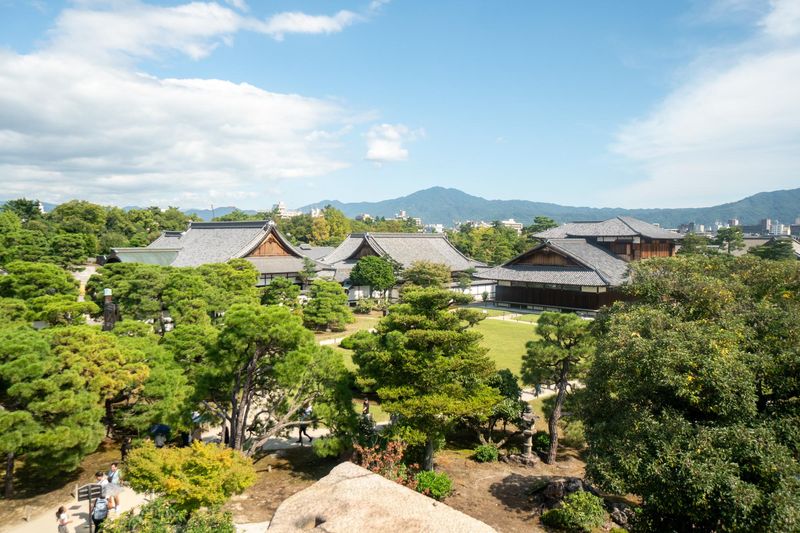
Kyoto isn’t a huge city, but there’s a lot to see and do. To cover the main highlights without rushing, three days in Kyoto is usually enough. That gives you time to explore the famous districts, visit temples and shrines, and spend a day in places like Arashiyama.
We stayed three days, and it felt like the right amount of time. We managed to see the main sights without feeling too rushed, and still had time to enjoy the atmosphere.
You can do Kyoto in two days, but it will feel quite busy, and you’ll probably need to skip a few places.
If you stay longer, you can easily add day trips from Kyoto to Osaka or a trip to Nara.
Is Kyoto expensive?
Kyoto can be moderately expensive, but it doesn’t break the bank.
Accommodation is usually the biggest cost, especially if you stay in central areas like Gion or Kawaramachi. Booking early helps a lot, and you can still find good mid-range hotels if you plan.
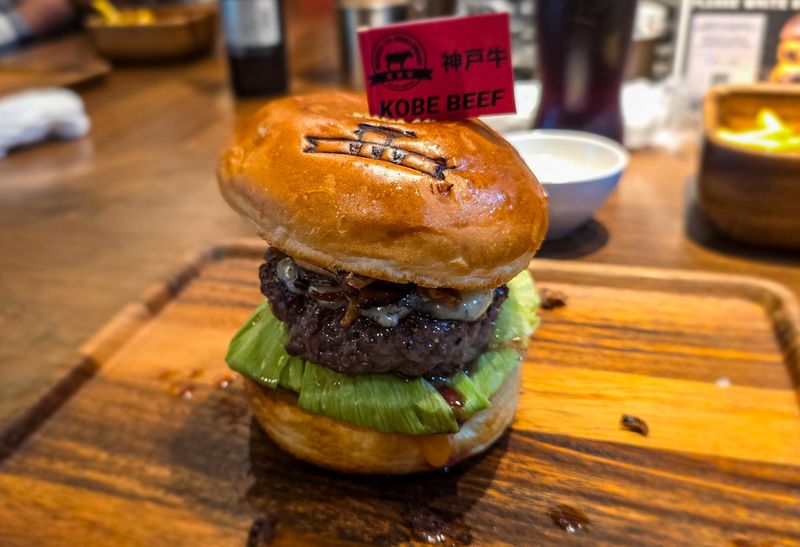
Food in Kyoto can actually be very affordable. You’ll find plenty of casual restaurants, markets, and street food where you can eat well without spending too much. Attractions like temples and gardens usually have reasonable entrance fees, and many shrines are free to visit.
Overall, Kyoto is similar in price to other major Japanese cities, but with some planning, it can fit different budgets. Coming from the UK, we actually found many things, especially food and public transport, more reasonable than in many European cities.
Where to Stay in Kyoto
Choosing the right area to stay in Kyoto makes a big difference, especially if it’s your first visit. Kyoto isn’t huge, but staying somewhere central will save you time and make getting around much easier.
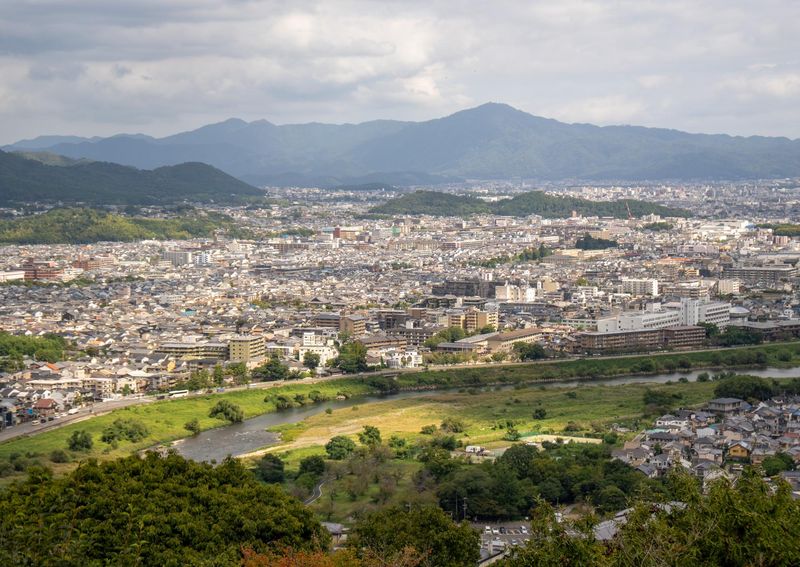
We stayed at The Royal Park Hotel Kyoto Sanjo, and honestly, it worked really well for us. The location is central, within walking distance of places like Nishiki Market, Gion, and several shopping streets. There were plenty of restaurants and cafés nearby, and getting around the city from here was very easy.
For first-time visitors, Sanjo, Kawaramachi, and Gion are some of the best areas to stay in Kyoto. These neighbourhoods are central, lively, and close to many of the main attractions.
Some highly rated hotels in these areas include Cross Hotel Kyoto, Good Nature Hotel Kyoto, and The Gate Hotel Kyoto Takasegawa, all known for their great locations and comfortable rooms.
If you’d like to experience something more traditional, staying in a ryokan is definitely worth considering. We actually wanted to stay at a traditional ryokan like Kyōka Ryokan in Gion, but it was fully booked during our travel dates. That’s quite common in Kyoto, so if you’re planning to stay in a ryokan, make sure to book well in advance, especially during busy seasons like cherry blossom or autumn.
How to Get Around Kyoto
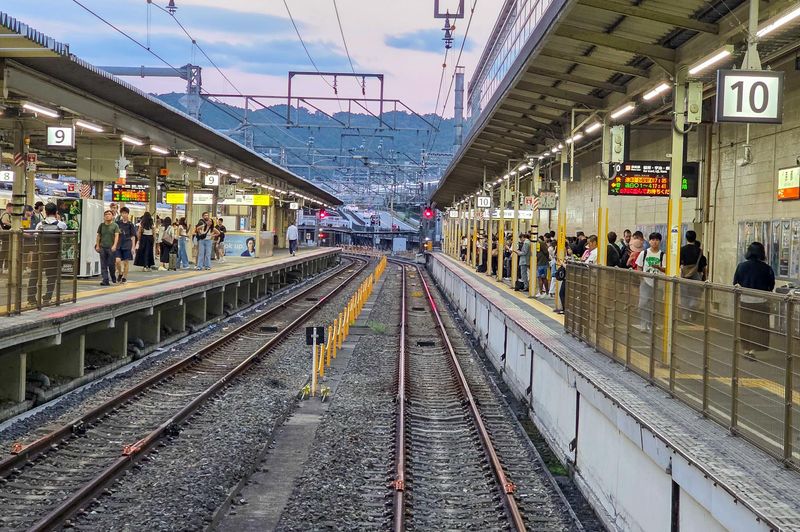
Getting around Kyoto is quite straightforward, and depending on where you stay, you can actually reach many places on foot.
Since we stayed in Sanjo, we visited several areas just by walking. Places like Nishiki Market, Gion, and Higashiyama were all within walking distance, which made exploring the city feel very easy.
For places that are further away, like Arashiyama or Fushimi Inari, public transport works very well. Kyoto has a good network of trains and buses, and most major attractions are well connected.
The easiest way to use public transport is with an IC card, such as ICOCA, Suica, or Pasmo. You simply top up the card and tap in and out, which saves time and avoids buying individual tickets every time.
We actually got our Suica card in Tokyo, and not only in Kyoto but in almost every city we visited in Japan, we were able to use it without any problems.
Google Maps worked perfectly in Japan and was our best friend when navigating trains and buses. If you need to take a taxi, you can also use Uber, which works reliably in Kyoto.
Top Things to DO & See in Kyoto
Walk Through Shinkyogoku Shopping Street
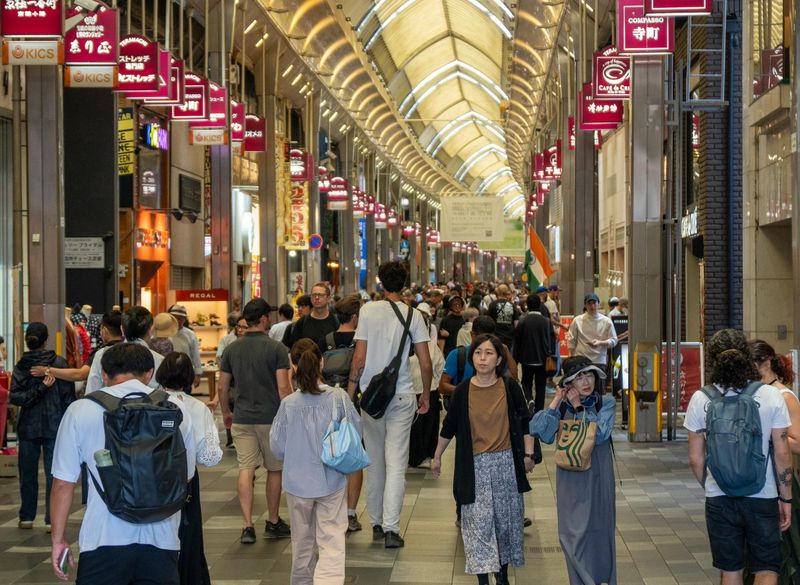
Just a few minutes from where we stayed in Sanjo, you’ll find Shinkyogoku Shopping Street, one of the busiest shopping areas in Kyoto.
It’s a covered shopping arcade packed with shops, cafés, and street food stalls. You’ll find pretty much everything here: souvenirs, snacks, vintage shops, cosmetics, and lots of unique clothing stores. Many visitors also come here looking for Japanese knives and kitchen tools, which have become very popular souvenirs.
You can easily spend hours here, just walking from one shop to another. And when people tell you to come to Japan with an empty suitcase, this is probably one of the places they mean. You’ll find plenty of unique things and styles that you probably won’t see anywhere else.
Even if shopping isn’t your main focus, it’s still worth walking through this street at least once. It gives you a feel for the lively side of Kyoto and is a good place to pick up snacks or small gifts to take home.
Taste Some Local Food at Nishiki Market
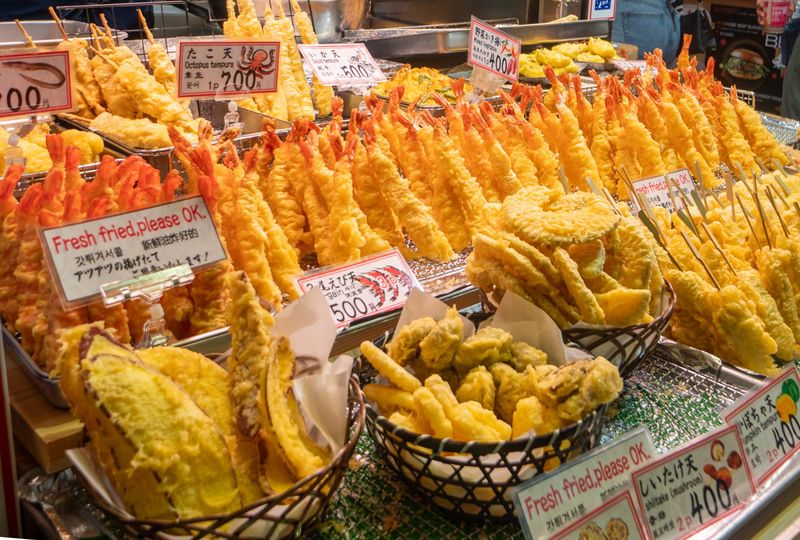
Just a short walk from Shinkyogoku Shopping Street, you’ll reach Nishiki Market, one of the most famous food markets in Kyoto.
Often called “Kyoto’s Kitchen,” this narrow market street has been around for hundreds of years and is packed with stalls selling all kinds of local food and snacks. If you’re interested in learning more about Japanese food and ingredients, joining a guided food tour in Nishiki Market can be a great option.
This is a great place to try different Japanese snacks, from fresh seafood and grilled skewers to sweet treats and pickled vegetables. We tried a few different things here, and it was one of the most fun food stops in Kyoto.
One thing to remember is that in Japan, even when eating street food, you’re not supposed to walk and eat. Most stalls have a small space nearby where you can stand and finish your food before moving on.
It can get very busy, especially around lunchtime, so if you prefer a quieter experience, it’s worth coming earlier in the day.
Book the guided food tour in Nishiki Market
Explore Gion, Kyoto’s Famous Geisha District
From Nishiki Market, it’s an easy walk to Gion, one of the most famous and historic districts in Kyoto.
This area is known for its traditional wooden buildings, narrow streets, and tea houses where geisha and maiko (apprentice geisha) still work today. It’s one of those places that feels exactly how many people imagine Kyoto to look.
That said, it’s also one of the busiest areas in the city, especially in the afternoon. If you want to experience Gion with fewer crowds, it’s worth coming early in the morning or later in the evening, when the streets feel calmer and more atmospheric.
If you want to learn more about the history and traditions of this area, joining a Gion Magical Night Walking Tour with Geisha Trivia can be a great experience. Walking through Gion at night has a completely different atmosphere, and having a local guide helps you understand the culture behind what you’re seeing.
Walk Through Higashiyama District
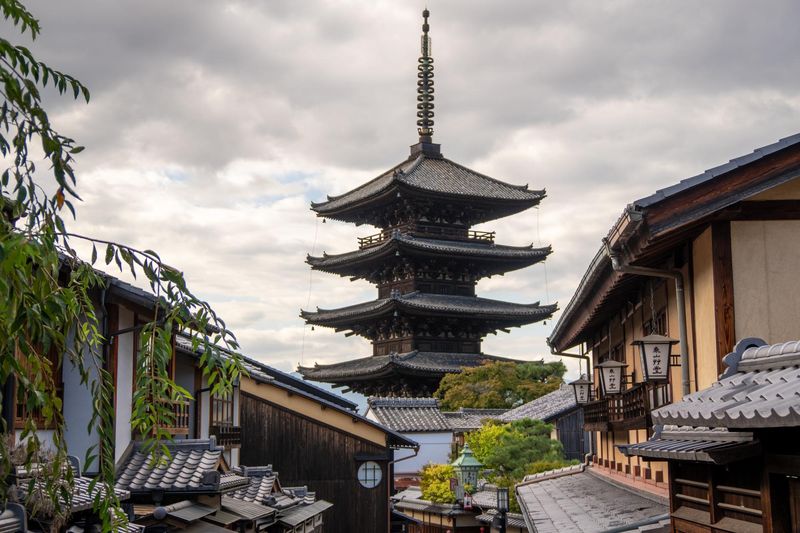
If you keep walking from Gion, you’ll reach the Higashiyama District, one of the most photogenic areas in Kyoto. I’m sure you’ve seen photos of this place on social media; it’s one of those spots that shows up everywhere.
One of the most popular things to do here is going for a kimono photoshoot, something we actually regretted not doing. It really fits the atmosphere of this area, and seeing people dressed in traditional kimonos makes the experience feel even more special.
This area is known for its preserved historic streets, traditional wooden buildings, and small shops selling souvenirs, sweets, and local crafts. Walking through these streets feels very different from the modern parts of Kyoto, and it gives you a glimpse of what the city might have looked like centuries ago.
That said, it’s also very busy, especially during the day. If you want to take photos without too many people in the background, it’s worth coming early in the morning.
Visit Yasaka Shrine
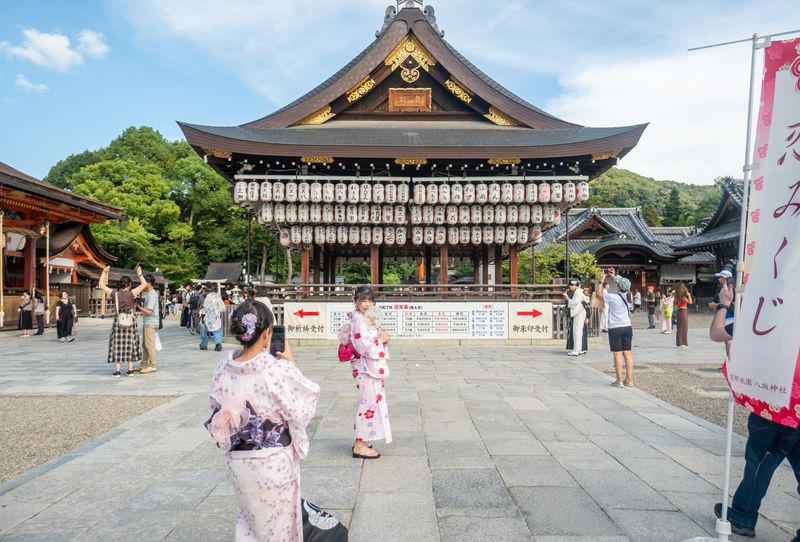
At the edge of Gion and Higashiyama, you’ll find Yasaka Shrine, one of the most important shrines in Kyoto.
Compared to the surrounding streets, this area feels much more peaceful, and it’s a nice place to slow down for a moment after walking through the busy districts nearby.
Yasaka Shrine has been here for more than 1,300 years and plays an important role in Kyoto’s cultural life. It’s closely connected to the famous Gion Matsuri Festival, one of the biggest and most important festivals in Japan, held every July.
You don’t need a lot of time here; it’s more about taking a short break, walking around the shrine grounds, and enjoying a calmer side of Kyoto. If you’re visiting in the evening, the shrine looks especially beautiful when the lanterns are lit.
Walk Through Thousands of Torii Gates at Fushimi Inari Taisha
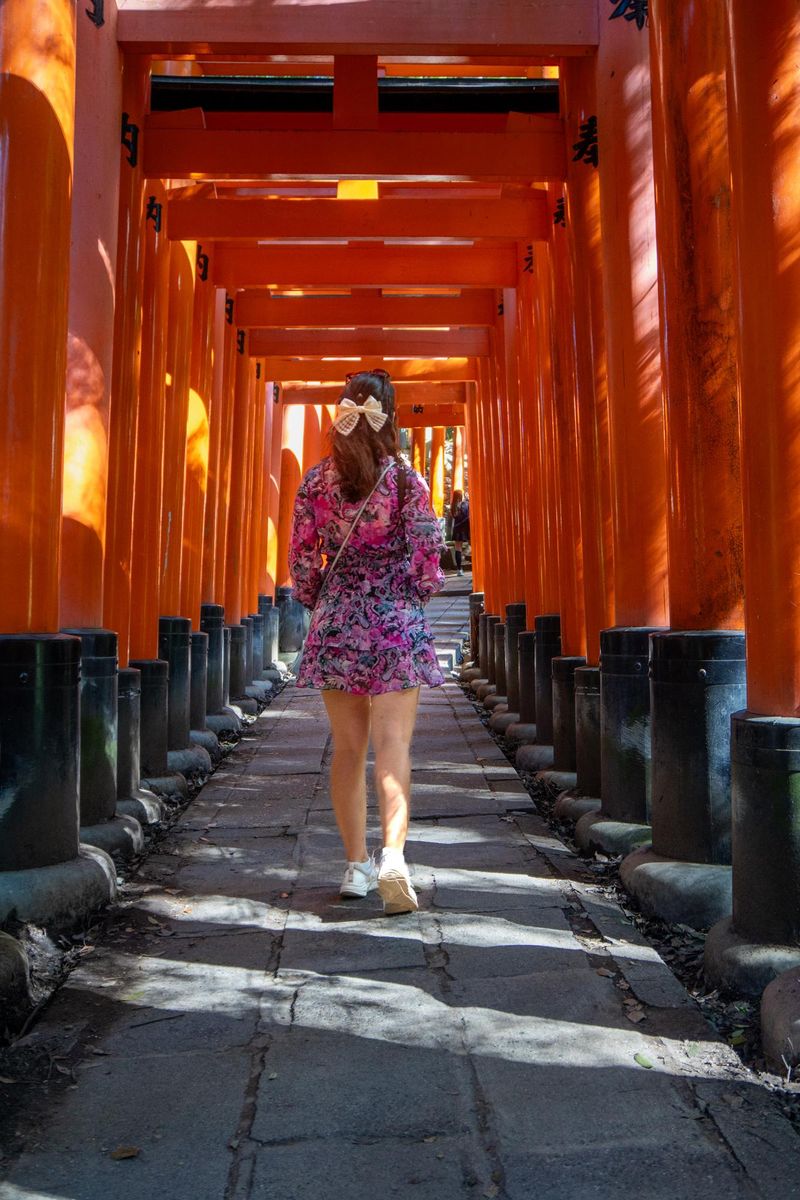
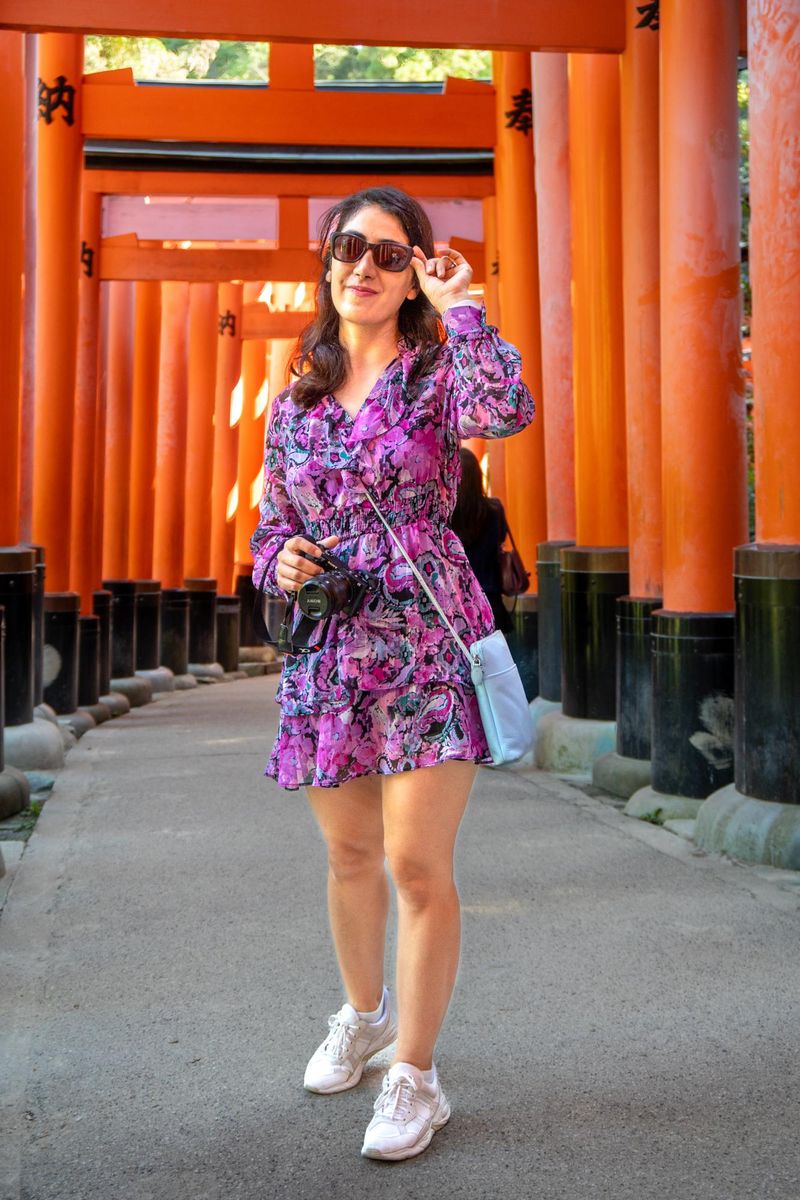
One of the most famous places to visit in Kyoto is Fushimi Inari Taisha, known for its thousands of bright red torii gates that form tunnels along the mountain paths.
When you first arrive, it can feel very crowded, especially near the entrance where most people stop to take photos. At first, we thought it would be difficult to enjoy because of the crowds, but we’re really glad we kept walking further up the trail instead of turning back.
As you continue walking, the number of people starts to thin out, and in some sections, you might even find yourself almost alone. That’s when the experience becomes much more peaceful, and it’s also the best place to take photos without crowds in the background.
The full trail goes up Mount Inari and can take around 2–3 hours if you complete the entire loop, but you don’t have to do the whole hike. Even walking for 30–60 minutes gives you a good experience and lets you escape the busiest areas.
Visit the Arashiyama Area
From central Kyoto, we headed west to Arashiyama, one of the most scenic areas in Kyoto and a place that’s definitely worth spending at least half a day, or even a full day.
Many people visit Arashiyama just for the famous bamboo forest, but there’s actually much more to see here. The area is known for its natural scenery, river views, and a slower pace compared to the city centre, although it still gets quite busy.
Arashiyama has been a popular getaway spot for centuries, and it’s easy to see why. Along with the bamboo grove, there are several temples and gardens to visit here. One of the main temples in the area is Tenryu-ji Temple, a UNESCO World Heritage Site known for its beautiful garden.
To enter the temple buildings, you need to buy a ticket, but if you’re mainly interested in the outdoor space, you can also purchase a ticket just for the garden, which many people do. Even if you don’t go inside the temple itself, the gardens are worth seeing.
We spent several hours in Arashiyama, and it felt like one of the most diverse areas we visited in Kyoto.
Walk Through the Famous Arashiyama Bamboo Grove
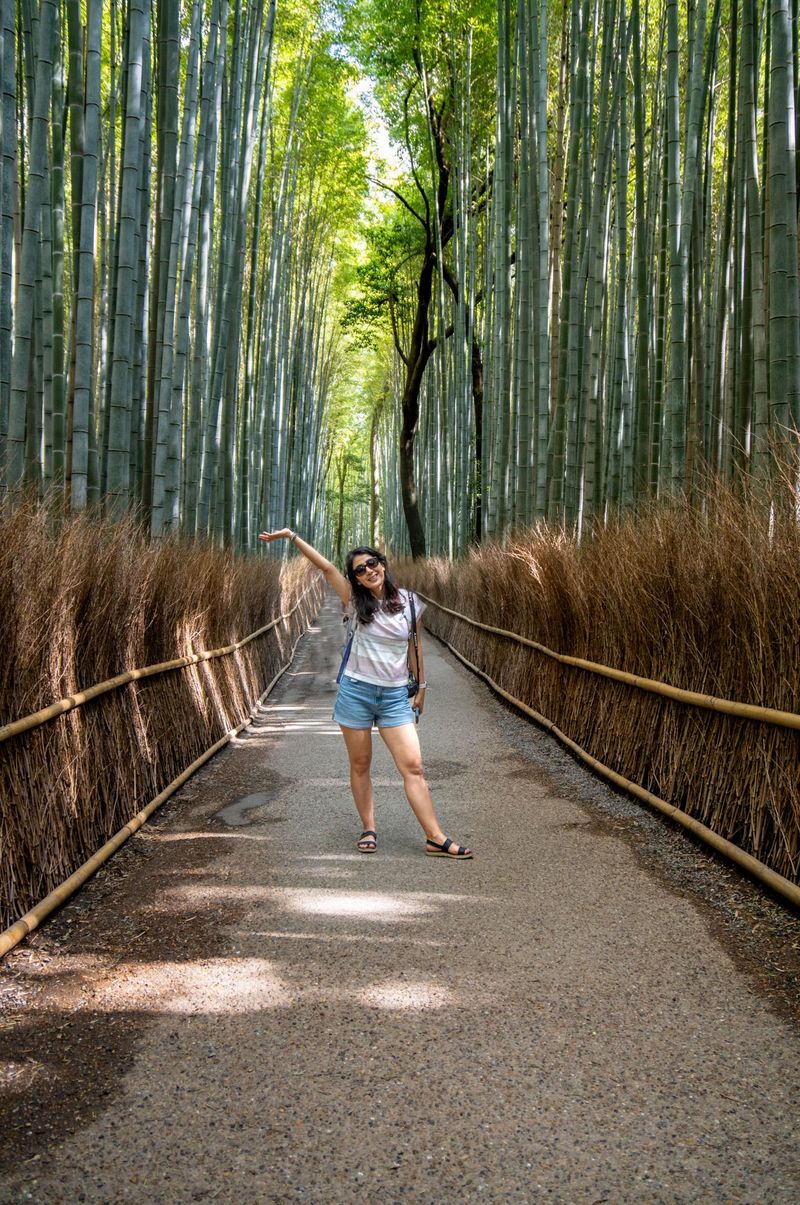
One of the main spots that attracts visitors to Arashiyama is the famous Bamboo Grove.
It’s a beautiful place to walk through, with tall bamboo trees lining the path on both sides. That said, it’s important to know that it’s not a huge area — it’s basically one main path, and you don’t need a lot of time here.
It can get very crowded, especially during the day, so if you want a quieter experience or better photos, it’s worth coming early in the morning.
Visit Iwatayama Monkey Park
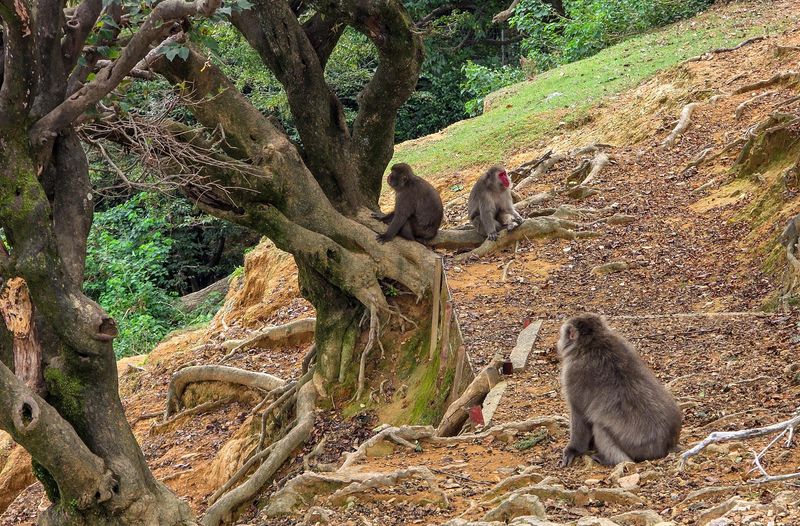
One of the places worth visiting in Arashiyama is the Iwatayama Monkey Park, especially if you want great views over Kyoto.
To reach the monkeys, you’ll need to walk uphill and climb quite a few steps, which takes around 20–30 minutes, so be prepared for a bit of effort. But once you reach the top, you’re rewarded with a beautiful view over the city.
What surprised me the most was how calm the monkeys were. After visiting places like Bali, where monkeys can be quite aggressive, this felt very different. The monkeys here mostly keep to themselves, and you can observe them from a safe distance.
It’s a fun stop in Arashiyama and a nice break from temples and busy streets.
Walk Across Togetsukyo Bridge & Enjoy the River Views
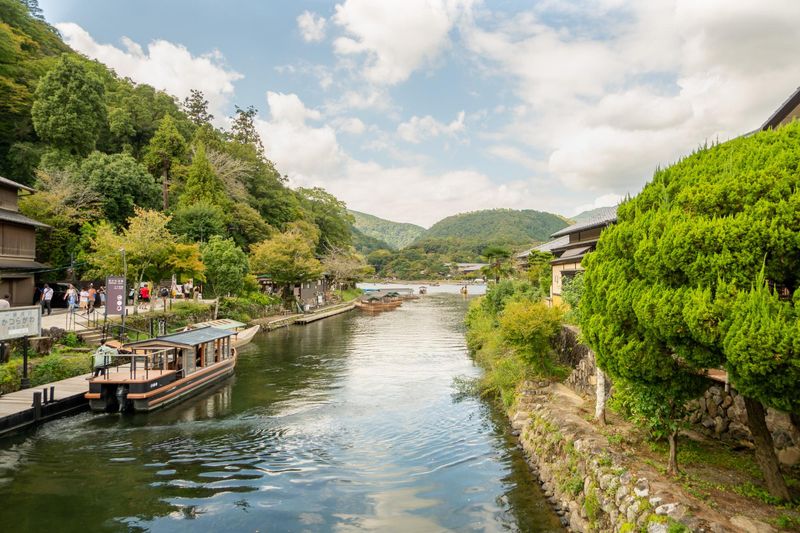
One of my favourite places in Kyoto was the area around Togetsukyo Bridge, one of the most recognisable landmarks in Arashiyama.
The bridge crosses the Katsura River, and the views here are beautiful, especially with the mountains in the background. It’s a great place to slow down, walk along the river, and just enjoy the scenery.
There are also plenty of walking paths along the river, and this area feels more open compared to the busy streets in central Kyoto. We spent some time here just walking around, and honestly, it was one of the most relaxing parts of our visit.
Take a Scenic River Cruise in Arashiyama
One of the most relaxing things we did in Kyoto was taking a river cruise along the Hozugawa River.
The ride is very scenic and calm, and it gives you a completely different view of the area. Sitting on the boat and drifting along the river felt like a nice break from walking, and honestly, it was one of the most peaceful experiences we had in Kyoto.
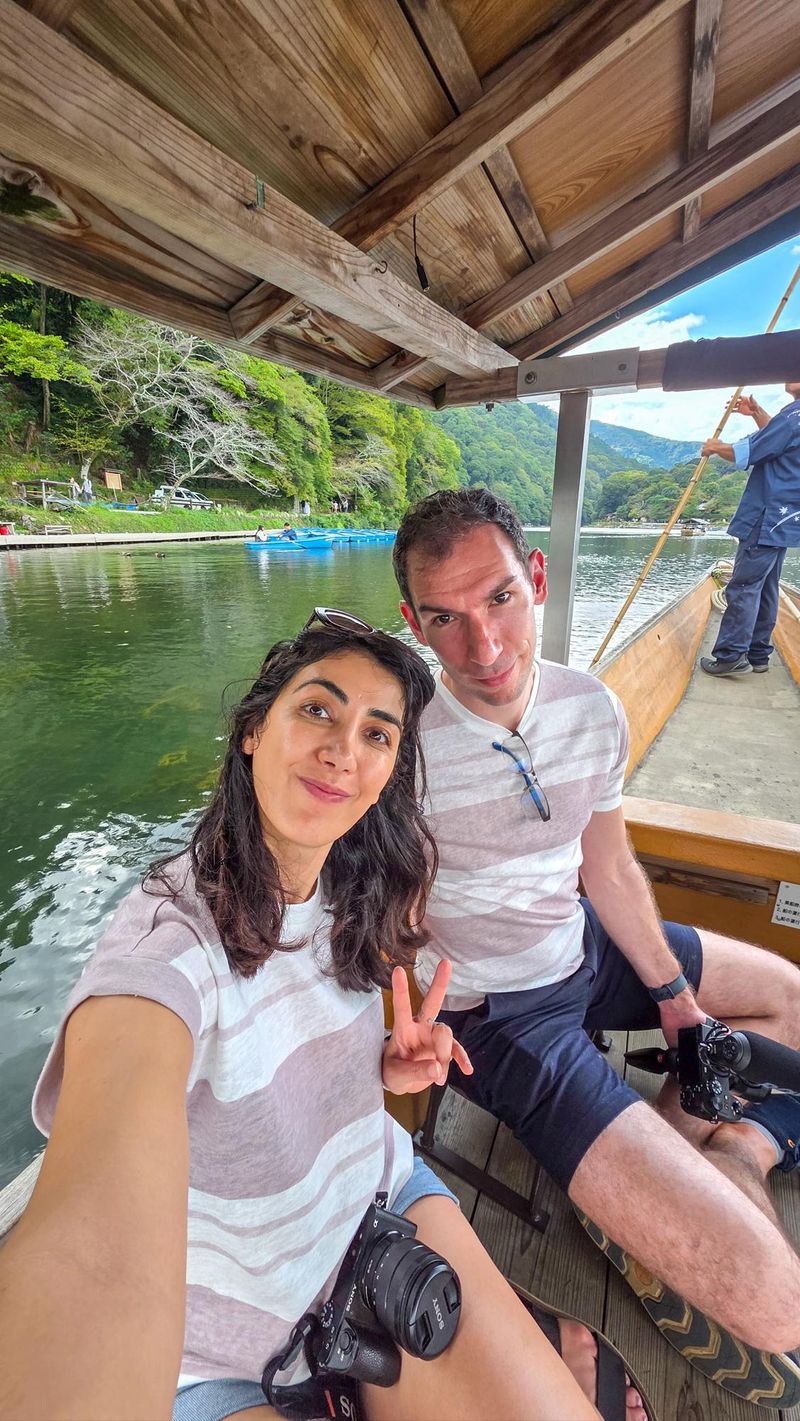
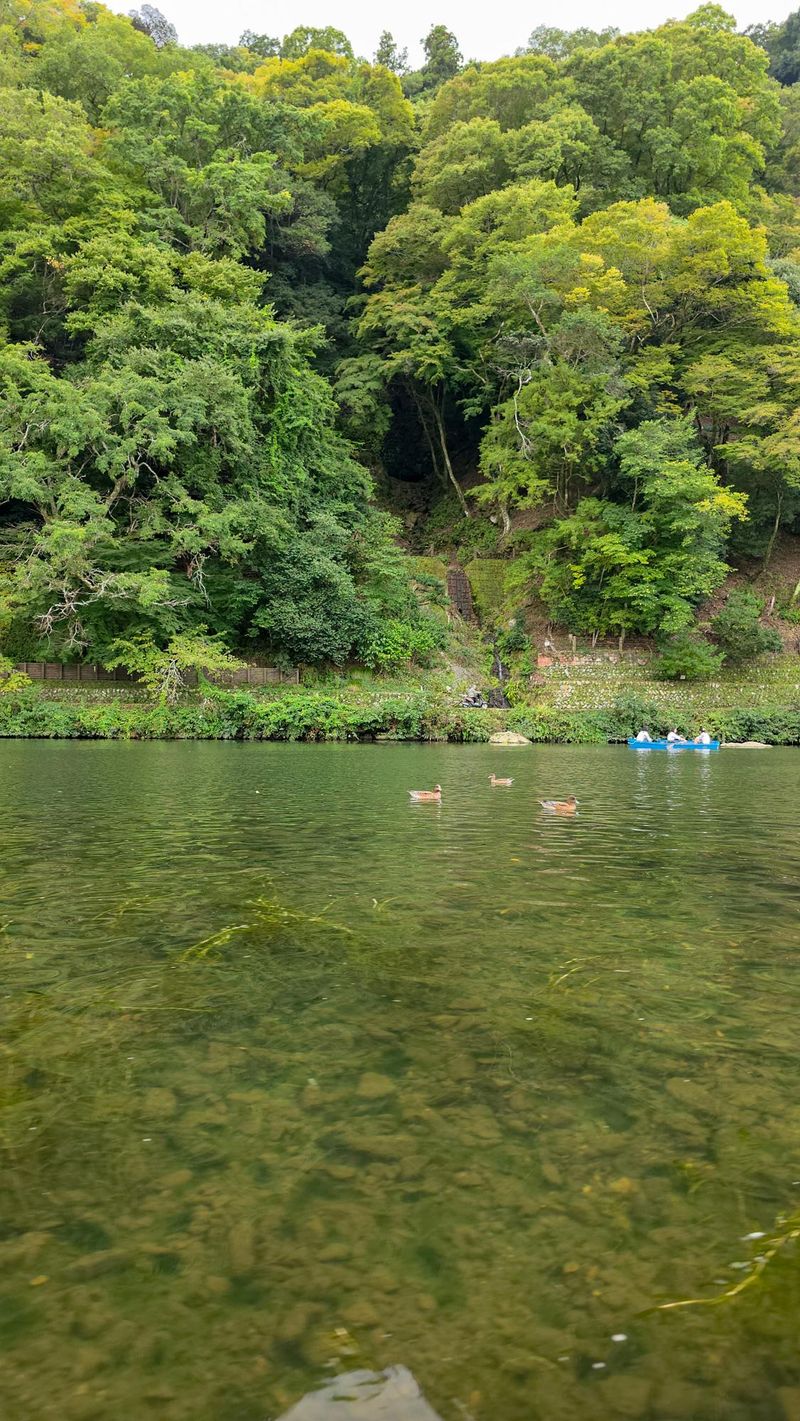
One fun detail is that while you’re on the boat, you might see floating vendor boats coming alongside to sell snacks and drinks. They offer things like hot snacks, ice cream, and other Japanese treats. Just remember to carry some cash, as many small vendors don’t accept cards.
If you’re looking for something more adventurous, there’s also the option to try a River White Water Rafting Adventure, which is a great choice if you want something more active instead of a relaxing boat ride.
Ride the Sagano Scenic Railway: The Romantic Train
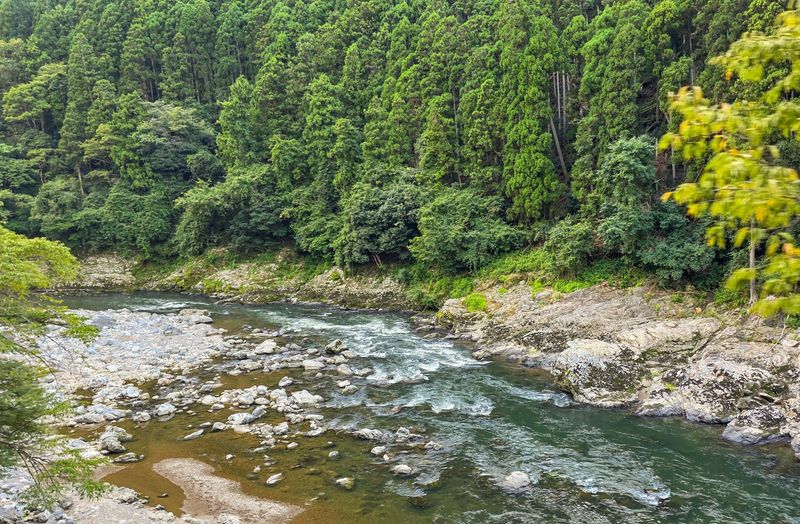
Another popular thing to do in Kyoto is riding the Sagano Scenic Railway, also known as the romantic train.
The train runs along the Hozugawa River and offers beautiful views of the gorge, especially during autumn and cherry blossom season. The ride itself isn’t very long, but it’s very scenic and fun.
One thing to know is that tickets are usually sold on the day, so it’s best to buy them as soon as you arrive in Arashiyama, especially during busy seasons.
Some people choose to buy a return ticket to experience the scenic train both ways, but you don’t actually need to. We didn’t return on the scenic train; instead, we took a regular train back to central Kyoto, which was very easy and convenient.
Another option is to combine the scenic train with the river cruise and return by boat. Just keep in mind that timing matters. The river cruise takes about 90 minutes and usually stops running in the mid-afternoon, so if you take a later train, you may not be able to return by boat. That’s exactly what happened to us.
Visit Toji Temple
Another place worth visiting in Kyoto is Toji Temple, one of the city’s most historic temples and home to Japan’s tallest wooden pagoda.
The pagoda stands at 55 metres, and it’s one of the most recognisable landmarks in Kyoto. Even if you don’t go inside the temple buildings, the view of the pagoda from outside is impressive and makes a great photo spot.
Toji Temple dates back to the 8th century and is also listed as a UNESCO World Heritage Site, which shows how important it is historically. If you happen to visit on the 21st of the month, there’s also a famous flea market held here, which is very popular with both locals and visitors.
It’s a quieter stop compared to some of the more crowded areas, and a good place to experience another side of Kyoto.
Visit Nijo Castle: A Glimpse into Japan’s Samurai History
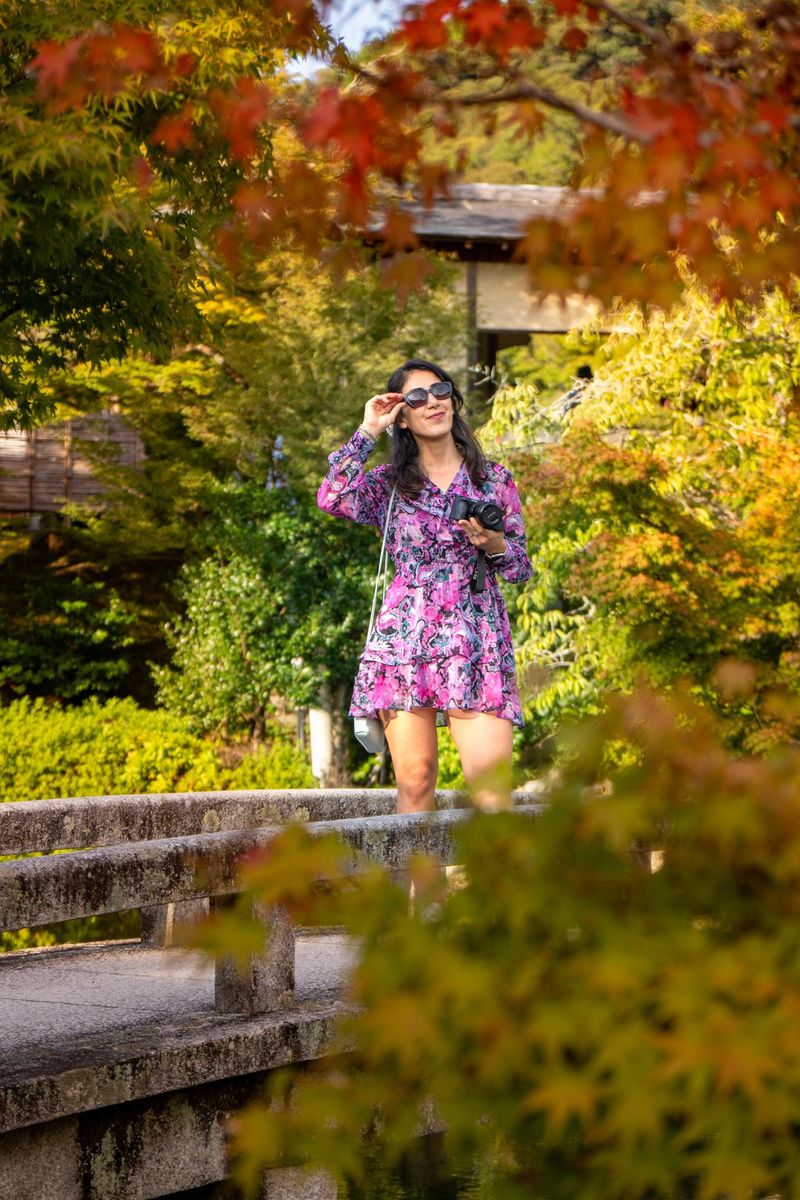
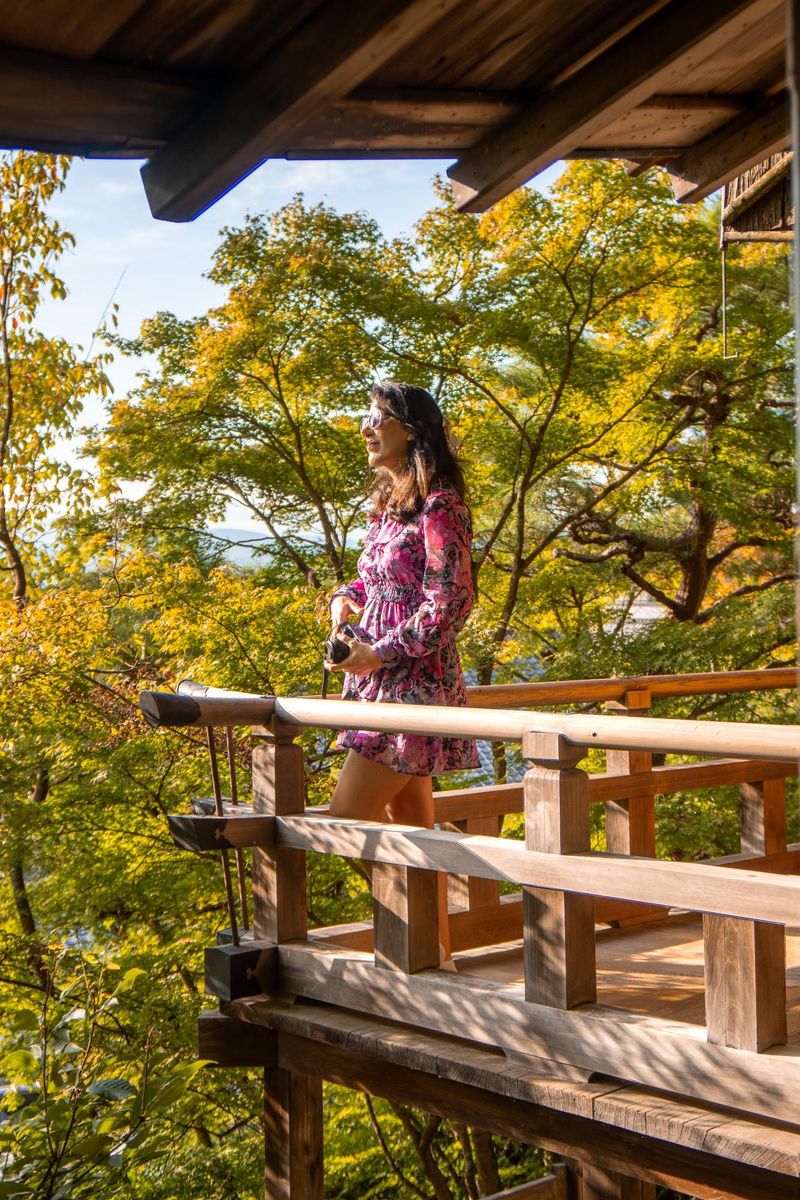
One of the last places we visited in Kyoto was Nijo Castle, and this is definitely a place where you can spend at least a couple of hours.
Built in the early 1600s, the castle was once the residence of the Tokugawa shoguns, making it an important historical site in Japan. Walking through the grounds gives you a glimpse into Japan’s samurai era, and the architecture here feels very different from the temples you see around the city.
It’s also a great place for photography and a nice spot to slow down and relax after visiting busy areas. The castle grounds are spacious, with beautiful gardens and walking paths that make it enjoyable even if you just want to take your time.
When we visited, it was autumn, and the colours made the whole place look even more beautiful. If you’re visiting Kyoto during autumn or cherry blossom season, this is definitely a place worth adding to your itinerary.
Practical Tips for Visiting Kyoto
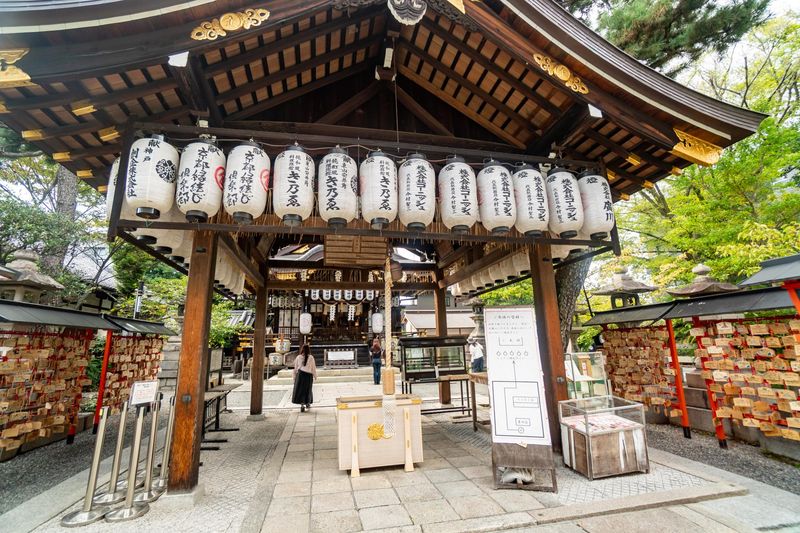
Start your day early
Kyoto gets very busy, especially in popular areas like Gion, Higashiyama, and Fushimi Inari. Starting early in the morning makes a huge difference, not only for avoiding crowds but also for getting better photos.
Wear comfortable shoes
You’ll be walking a lot in Kyoto, often more than you expect. Some temple areas also have steps or uneven paths, so comfortable shoes are a must.
Respect local rules and etiquette
Kyoto is beautiful, but it’s also a residential city. In places like Gion, there are signs asking visitors not to enter private streets or take photos of geisha without permission. Being respectful goes a long way.
Carry some cash
Japan is modern, but not everywhere accept cards, especially small shops, markets, and street food vendors. Having some cash with you makes things much easier.
Expect crowds in Kyoto
Cherry blossom season and autumn are the busiest times to visit Kyoto. If you're travelling during these periods, book accommodation early and try to visit popular spots early in the day.
Plan your route by area
Kyoto looks compact on the map, but moving between districts takes time. Try to group attractions in the same area on the same day, for example, combining Gion, Higashiyama, and Yasaka Shrine in one outing.