

Shinjuku was the area we chose as our base in Tokyo, and after staying there, I understood why so many people recommend it for a first visit.
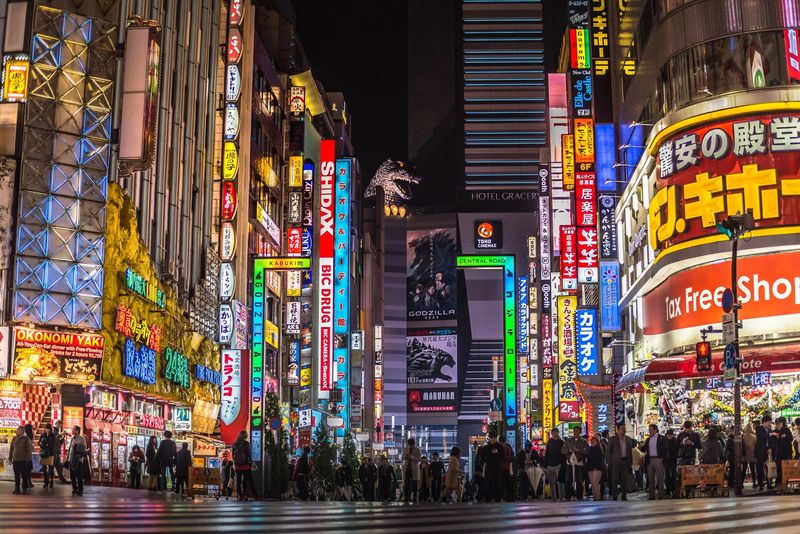
It is busy, colourful and sometimes slightly overwhelming, but it is also incredibly convenient. You can spend the morning walking through a peaceful Japanese garden, watch Tokyo from the top of a skyscraper in the afternoon and finish your day surrounded by the neon signs of Kabukicho.
Some of Tokyo’s most famous nightlife areas are here, but Shinjuku is much more than bars and entertainment. It has parks, observation decks, shrines, shopping centres, photography locations and some brilliant places to eat.
Because we stayed in Shinjuku, we explored this neighbourhood more than almost anywhere else in Tokyo. In this guide, I will share the best things to do in Shinjuku, where to stay, which experiences are worth booking and a few practical tips that will make your visit easier.
For help planning the rest of your trip, read my complete Tokyo travel guide and the best things to do in Tokyo. You can also read my guide to the best areas and hotels in Tokyo for first-time visitors.
Japan Packing List: Japan’s weather can vary a lot depending on the season and where you are travelling, so packing can be trickier than it looks. I created a free Japan packing list to help you prepare.
This post contains affiliate links, and if you click one, I may receive a small commission at no extra cost to you.
Quick Guide to Shinjuku
Best place to stay: Hotel Century Southern Tower
Most unique hotel: Hotel Gracery Shinjuku
Best free viewpoint: Tokyo Metropolitan Government Building
Best evening area: Kabukicho
Best food experience: Shinjuku food tour
Best peaceful attraction: Shinjuku Gyoen National Garden
Best photography location: Omoide Yokocho
Best cultural experience: Shinjuku chopstick-making class
Is Shinjuku Worth Visiting?
Shinjuku is definitely worth visiting, even when you are not staying there.
It is one of the best places to experience the contrast that makes Tokyo so interesting. One moment you are surrounded by quiet gardens and small shrines, and a few minutes later you are walking beneath enormous screens and flashing neon signs.
Shinjuku is particularly good for first-time visitors because there is so much to do within a relatively small area. You could easily spend a full day here, although staying overnight allows you to experience the neighbourhood after dark, when it feels completely different.
It is also one of Tokyo’s best-connected areas. Shinjuku Station gives you access to several train and underground lines, making it easy to visit Shibuya, Harajuku, Asakusa and other parts of the city.
Best Things to Do in Shinjuku
1. See the Godzilla Head
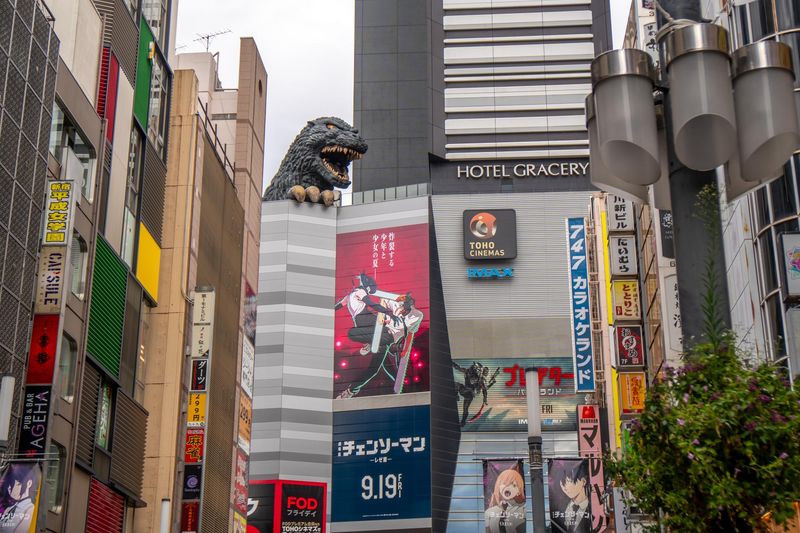
One of the first places we visited in Tokyo was the Godzilla Head in Kabukicho.
The enormous head appears to be emerging from the top of the Shinjuku Toho Building, which is also home to Hotel Gracery Shinjuku. It has become one of Shinjuku’s most recognisable landmarks and is a fun introduction to the more unusual side of Tokyo.
The area around it is normally very busy, especially during the evening. For clearer photographs, visit early in the morning when Kabukicho is much quieter.
At night, however, the atmosphere is far more impressive. The surrounding screens, colourful signs and crowds create the Tokyo scene that many people imagine before visiting.
You can even stay inside the building at Hotel Gracery Shinjuku, which has some themed Godzilla rooms and views across Kabukicho.
2. Walk Through Kabukicho at Night
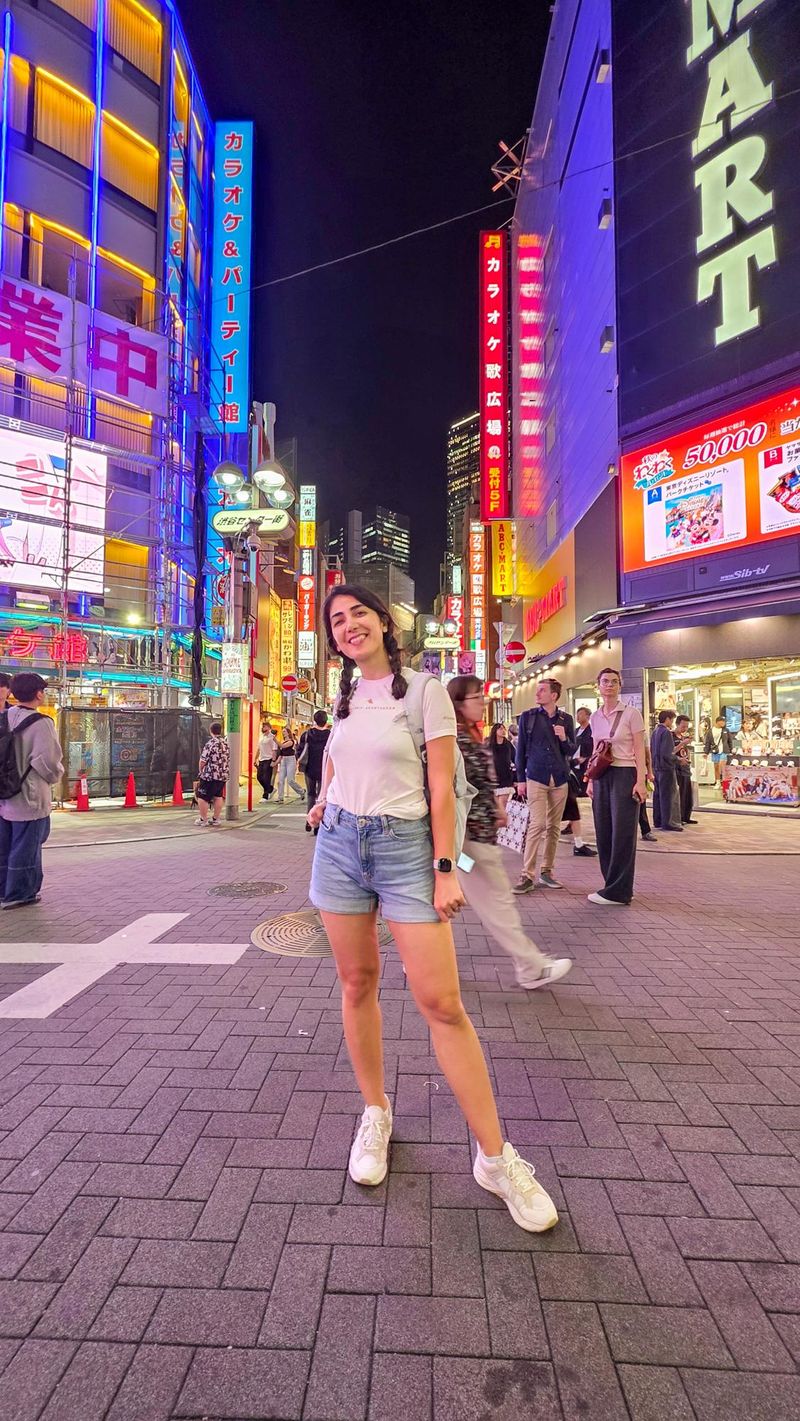
Kabukicho is one of Tokyo’s best-known entertainment districts. During the day, it can feel surprisingly quiet in places. After dark, the entire neighbourhood changes. Giant digital screens light up, restaurants become busier, and the streets fill with people.
You will find karaoke venues, cinemas, arcades, restaurants, bars and entertainment complexes throughout the area. Even when nightlife is not your main interest, it is worth walking through Kabukicho simply to experience the atmosphere.
The colourful streets are also brilliant for travel photography and filming. Instead of only taking wide shots of the neon signs, capture smaller details such as reflections in puddles, people walking beneath the lights, restaurant signs and trains moving in the background.
Kabukicho is generally busy and heavily visited, but be cautious around street touts. Do not follow anyone promising cheap drinks, special bar access or discounted entertainment.
3. Visit Omoide Yokocho
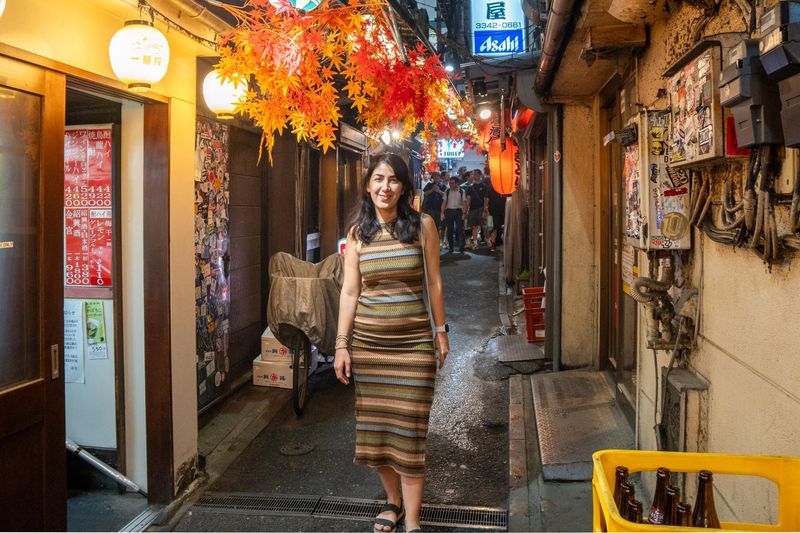
Just outside the west side of Shinjuku Station, Omoide Yokocho feels completely different from the modern skyscrapers surrounding it.
The name translates roughly as “Memory Lane”, although it is sometimes called Piss Alley because of its less glamorous post-war history.
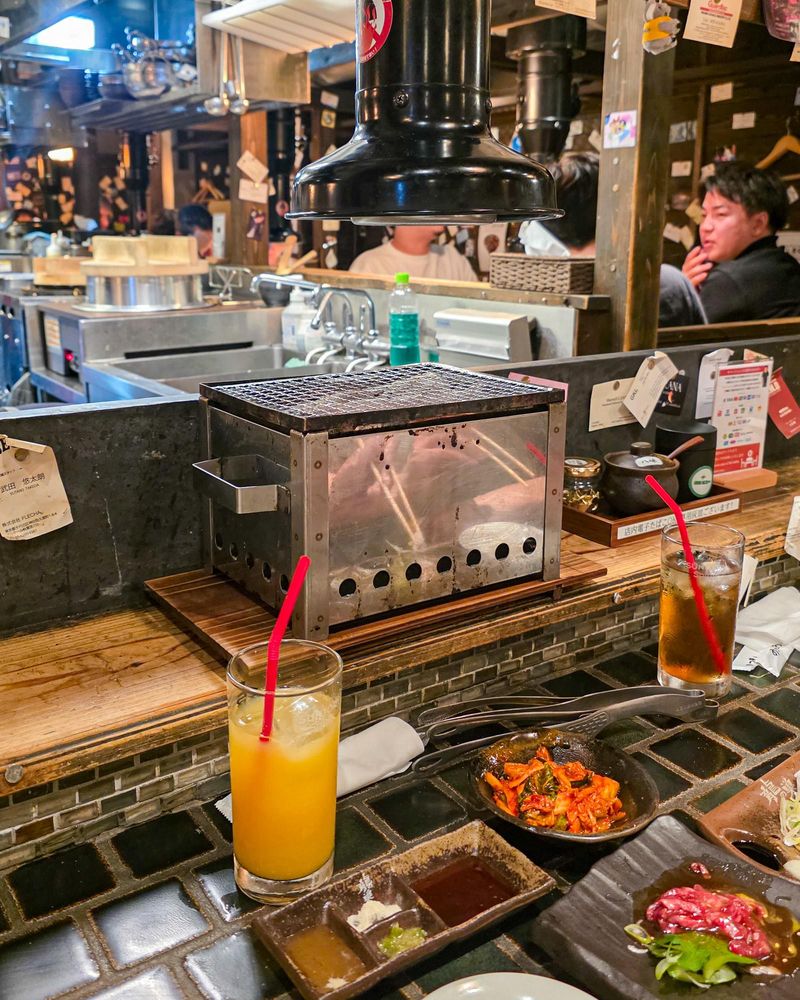
Today, the narrow passageways are packed with tiny restaurants and izakayas. Many have only a handful of seats, with customers sitting around the counter while food is grilled directly in front of them.
Yakitori is one of the most popular dishes here, although many restaurants also serve seafood, noodles and other small Japanese dishes.
I do not eat pork, so in places like this, I always check what is being served before ordering. Some skewers and broths may contain pork even when it is not immediately obvious.
Omoide Yokocho is particularly atmospheric in the evening, when the lanterns are illuminated, and smoke rises from the grills. It is also one of the best photography locations in Shinjuku, but remember that these are working restaurants rather than a photography set. Avoid blocking the narrow pathways and ask permission before filming inside.
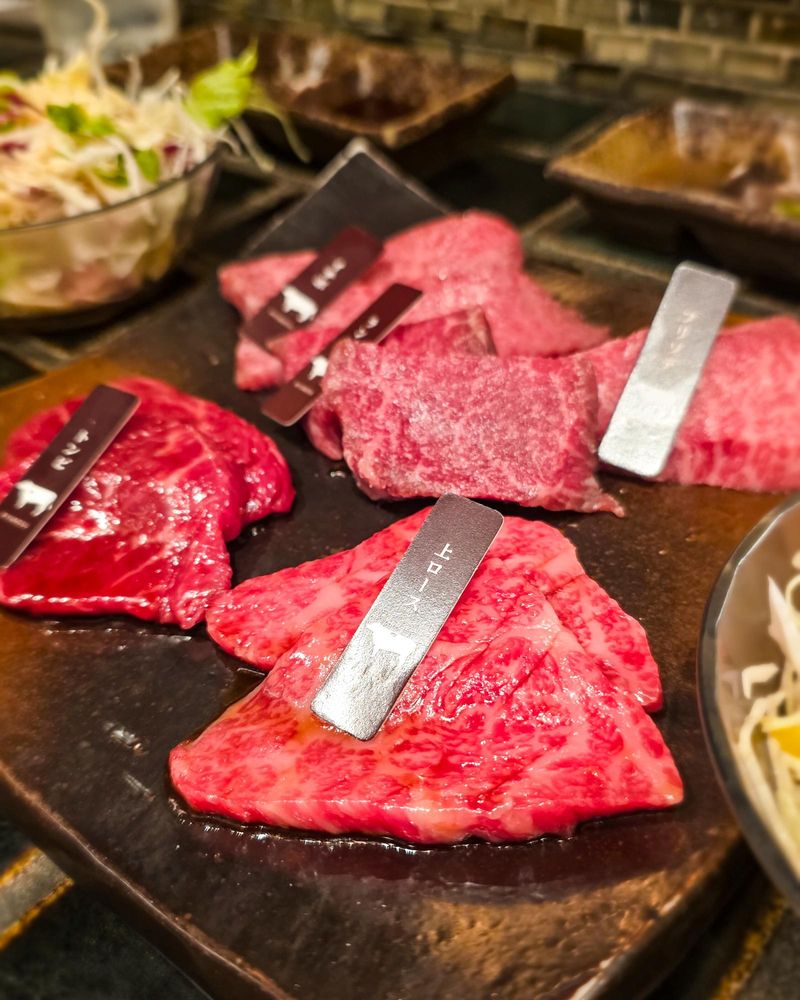
One of the best things to do here is to take a Shinjuku food tour. A local guide can be particularly helpful in Shinjuku because many small restaurants have Japanese-only menus or limited seating.
4. Explore Golden Gai
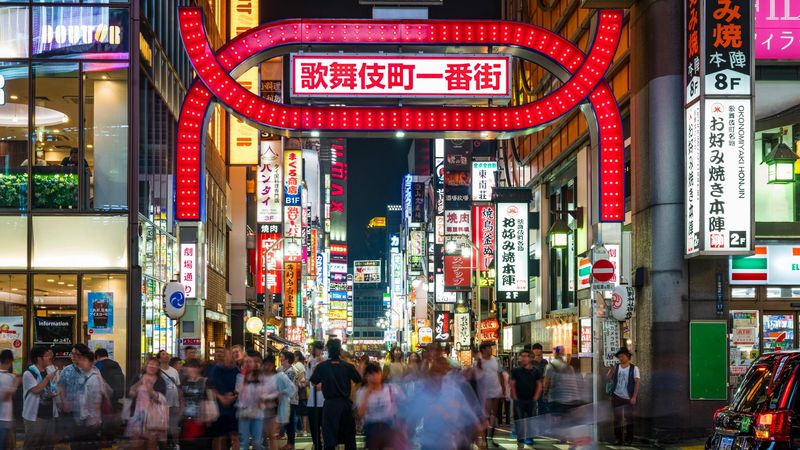
Golden Gai is another famous nightlife area, but it has a different atmosphere from the wide, bright streets of Kabukicho.
It consists of several narrow alleyways filled with more than 200 tiny bars. Some have space for only five or six people, and many have their own theme, personality or style of music.
Golden Gai was once less accessible to tourists, but many bars now welcome international visitors. Look for signs or menus outside indicating that tourists are welcome.
Some venues charge a cover fee, so check before entering. Others are cash-only, and because the bars are so small, larger groups may struggle to find seats together.
You do not need to drink alcohol to experience Golden Gai. Simply walking through the alleys in the early evening gives you a sense of the area, and some venues offer alcohol-free drinks.
It is an interesting place to photograph, but be respectful. Avoid pointing a large camera into bars or filming customers without asking.
A guided evening Golden Gai tour can make the area much easier to understand.
5. Relax in Shinjuku Gyoen National Garden

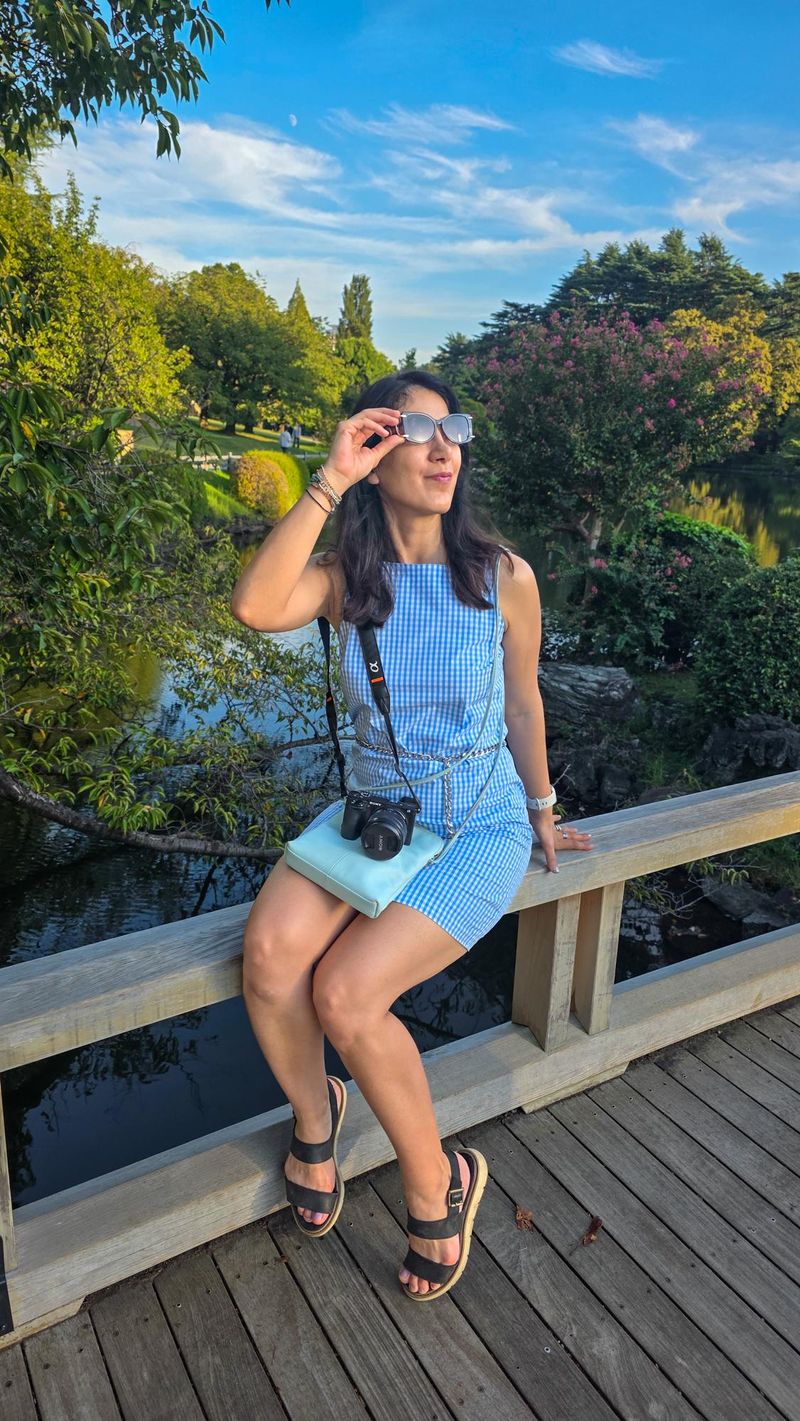
Shinjuku Gyoen is the place to visit when you need a break from Tokyo’s crowds and neon lights.
The garden covers almost 60 hectares and combines Japanese, English landscape and French formal garden styles. It feels surprisingly calm considering that it is surrounded by one of the busiest parts of Tokyo.
It is especially popular during cherry blossom season, but it is worth visiting throughout the year. You can see fresh greenery in spring and summer, autumn colours later in the year and seasonal flowers in different parts of the garden.
There are large lawns where you can sit and relax, ponds surrounded by trees and several traditional structures. The skyline visible above the trees creates a beautiful contrast between nature and modern Tokyo.
Allow at least one or two hours to explore. It is also a good place to slow down after several busy days of sightseeing.
Opening days and seasonal admission arrangements can change, particularly around cherry blossom season, so check the official website before visiting.
6. See Tokyo from the Metropolitan Government Building

You do not need to pay for an expensive observation deck to see Tokyo from above.
The Tokyo Metropolitan Government Building in Nishi-Shinjuku has a free observation deck approximately 202 metres above the ground. On a clear day, you may be able to see landmarks across Tokyo and even Mount Fuji in the distance.
This is one of the best free things to do in Tokyo, and it is an easy addition to your itinerary if you are exploring the western side of the neighbourhood.
Visit shortly before sunset to see Tokyo during daylight and then watch the city lights appear. However, this is also one of the busiest times, so expect a possible queue.
The building now hosts the TOKYO Night & Light projection mapping show on its exterior. New animations and collaborations are added periodically, so it is worth checking what is showing during your visit.
7. Walk Around Nishi-Shinjuku
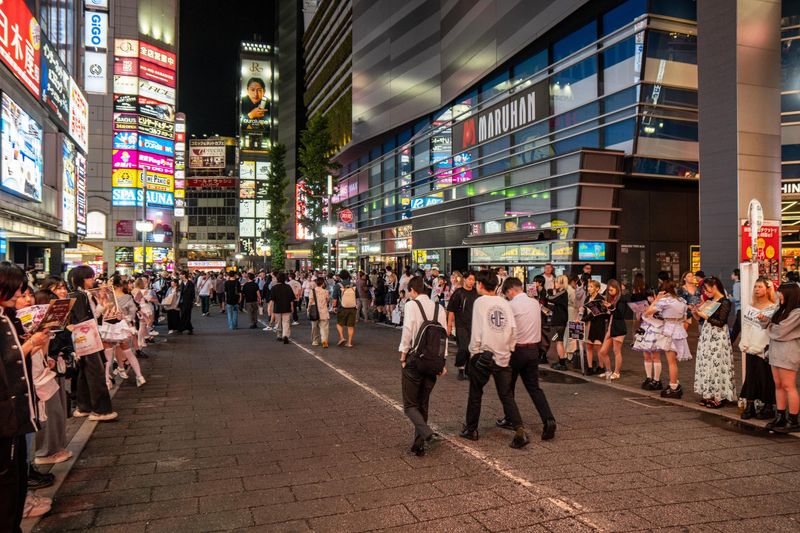
Nishi-Shinjuku, or West Shinjuku, is the skyscraper district. This part of the neighbourhood has a much more organised and corporate atmosphere than Kabukicho. Wide roads, office towers and elevated walkways replace the narrow entertainment streets found on the other side of the station.
The area is home to the Tokyo Metropolitan Government Building as well as several luxury hotels, including the Park Hyatt Tokyo.
Nishi-Shinjuku is an excellent location for architecture and street photography. Look for reflections in glass buildings, people crossing beneath the towers and the contrast between small shrines and modern offices.
It is particularly photogenic during the morning commute or around sunset, when the buildings catch the light.
8. Visit Shinjuku Central Park
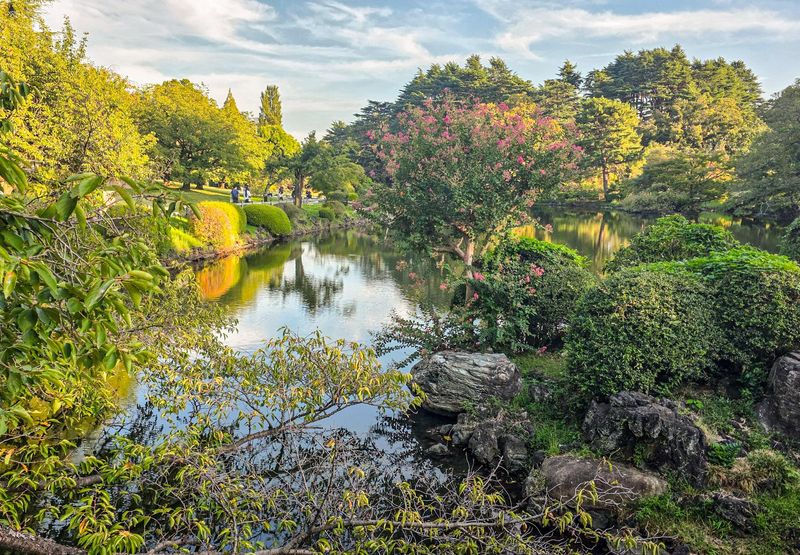
Shinjuku Central Park sits beside the Metropolitan Government Building and provides another quiet escape from the surrounding streets.
It is smaller and more local than Shinjuku Gyoen, but its location makes it easy to combine with the observation deck and Nishi-Shinjuku.
The park has walking paths, open spaces and views of the surrounding skyscrapers. It is a pleasant place to sit for a while, especially when you have spent the day walking around Tokyo.
Because it is not one of the city’s major tourist attractions, it generally feels less crowded than Shinjuku Gyoen.
9. Visit Hanazono Shrine
Hanazono Shrine is hidden close to the busy streets of Kabukicho and Golden Gai.
The shrine has existed in different forms since before the Edo period and is considered an important spiritual centre for the area. Despite its central location, it can feel surprisingly peaceful.
The bright red torii gates and traditional buildings create a strong contrast with the surrounding high-rises and nightlife district.
Visit during the morning for a calmer experience, or return after dark when the lanterns and surrounding city lights create a more atmospheric scene.
The shrine occasionally hosts markets and festivals, so you may find food stalls or performances depending on when you visit.
10. Shop in Shinjuku
Shinjuku is one of the best shopping districts in Tokyo. You will find enormous department stores, electronics shops, fashion brands, beauty stores and underground shopping centres connected to the station.
Popular places include Isetan Shinjuku, Takashimaya Times Square, NEWoMan and the electronics shops around the station’s west side.
Japanese department stores are also worth visiting for their basement food halls, known as depachika. These floors are filled with beautifully presented sweets, prepared meals, sushi and regional products.
They are especially useful when you want an easy dinner after a long day of sightseeing. We often found that staying in Shinjuku meant we could always find somewhere to eat, even when we returned late or were too tired to search for a restaurant.
11. Try a Japanese Arcade or Claw Machine
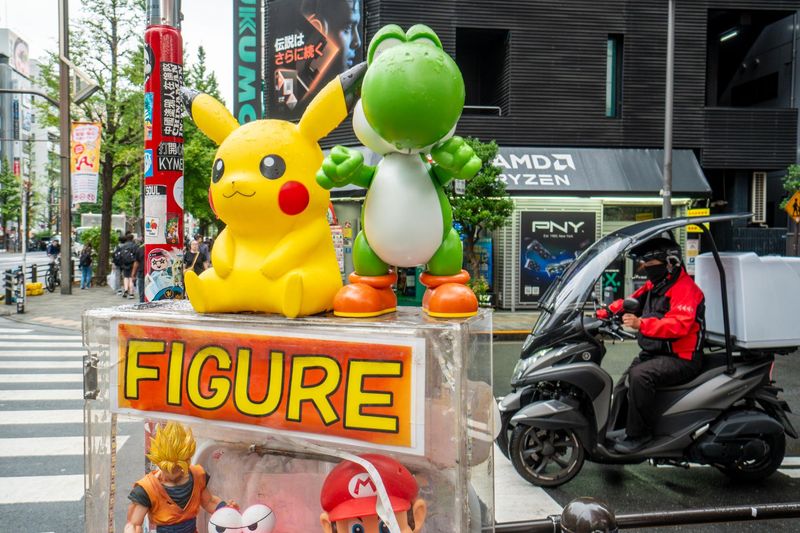
You will see gaming arcades and claw-machine centres throughout Shinjuku.
Even when you are not normally interested in gaming, they are worth entering just to see the variety of machines and prizes. Some buildings have several floors, with different levels dedicated to claw machines, rhythm games and video games.
It is an easy activity to add to your evening in Kabukicho and a good option when it rains.
Set yourself a small budget before you start. The machines make it very easy to keep trying for a prize that always seems almost within reach.
12. Make Your Own Chopsticks
For something more hands-on, you can join a chopstick-making workshop in Shinjuku.
Rather than only buying souvenirs, the experience allows you to create something personal that you can take home and use.
It is also a good indoor activity during very hot, cold or rainy weather, and it offers a quieter contrast to Shinjuku’s busy streets.
This type of activity works particularly well at the beginning or end of the day, leaving the main sightseeing hours free for the gardens and outdoor attractions.
13. Join a Shinjuku Walking Tour
Shinjuku can be confusing when you first arrive. The station has numerous exits, and each side leads to an area with a completely different atmosphere. Joining a walking tour at the beginning of your visit can help you understand the layout while discovering places you might otherwise miss.
Many tours combine Kabukicho, Golden Gai, Omoide Yokocho and local food stops.
A private tour may be worth considering when you want more time for photography or filming, as you can ask the guide to adapt the pace.
One-Day Shinjuku Itinerary
Start your morning at Shinjuku Gyoen National Garden, when the paths are quieter and the light is softer for photography.
Afterwards, walk towards the main shopping streets and stop for lunch around Shinjuku-sanchome or inside one of the department stores.
Spend the afternoon exploring Nishi-Shinjuku, including Shinjuku Central Park and the free observation deck at the Tokyo Metropolitan Government Building.
Around sunset, return towards Shinjuku Station and walk through Omoide Yokocho as the lanterns begin to glow.
Finish your evening in Kabukicho, where you can see the Godzilla Head, visit an arcade and explore the narrow lanes of Golden Gai.
This route gives you a mixture of nature, city views, food and nightlife without travelling across Tokyo several times.
Where to Stay in Shinjuku
We chose to stay in Shinjuku during our first visit to Tokyo, and it made exploring the city much easier.
After a long day, we did not need to travel across Tokyo to find dinner or somewhere to walk. There were always restaurants, shops and cafés nearby, and the excellent transport connections meant we could reach most other neighbourhoods relatively easily.
The main disadvantage is that Shinjuku Station is enormous. It can take time to find the correct exit, and arriving with large suitcases is not always easy.
When booking your hotel, check both the distance from the station and which side of the station it is on. A hotel described as being “close to Shinjuku” may still require a long walk through busy streets.
If you want to be close to the station, Hotel Century Southern Tower and JR Kyushu Hotel Blossom Shinjuku are both in very convenient locations. If you prefer to stay right in the middle of the nightlife and neon lights of Kabukicho, Hotel Gracery Shinjuku, home to the famous Godzilla Head, is another popular option.
But if you are looking for a luxury stay, you can book Park Hyatt Tokyo, which is one of Shinjuku’s most famous luxury hotels.
In general, Tokyo hotel rooms are also often much smaller than rooms in Europe. We paid a little more for a larger room because we were travelling with large suitcases, and it made a big difference. Always check the room size rather than only looking at the photographs.
How to Get to Shinjuku
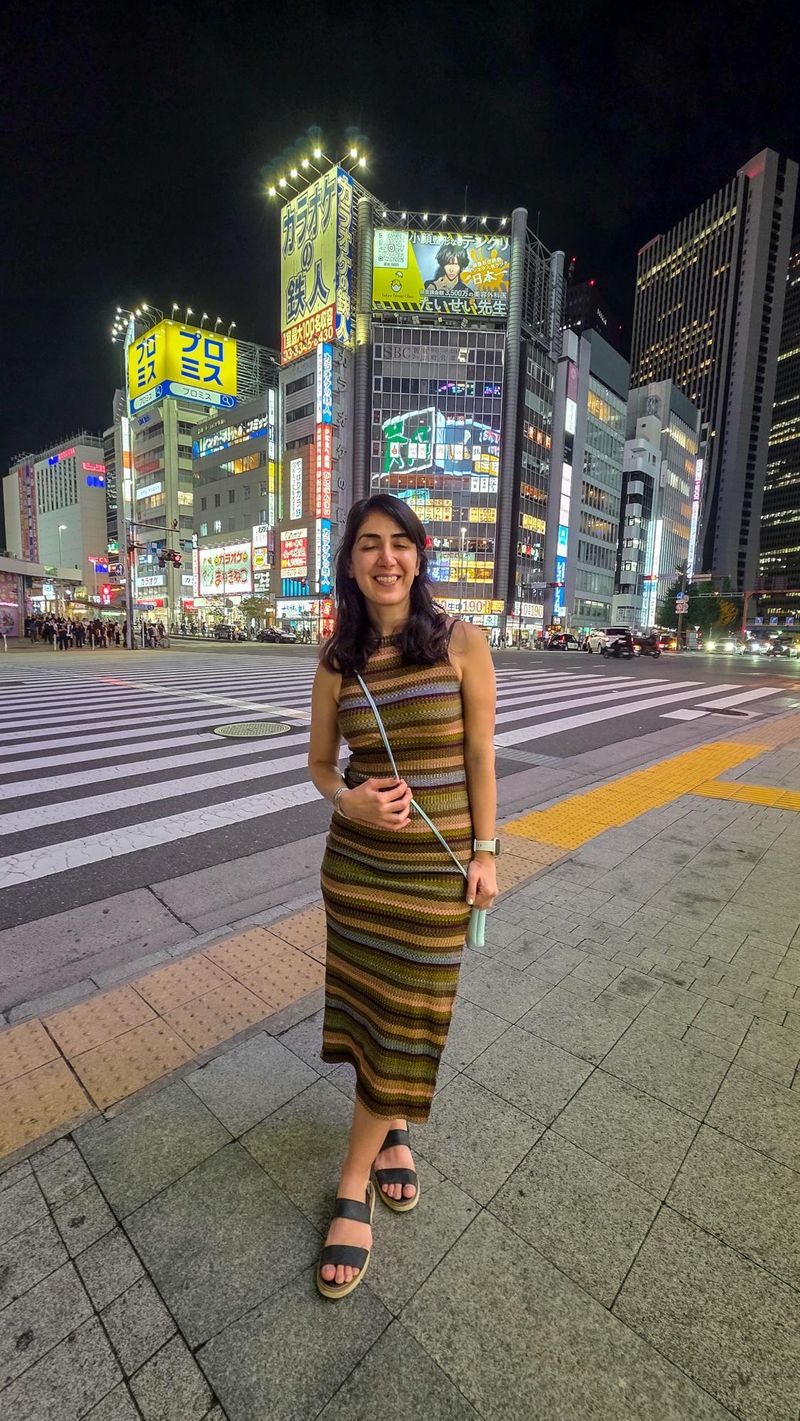
Shinjuku is connected to much of Tokyo by JR trains, underground lines and private railways.
The JR Yamanote Line connects Shinjuku with popular areas including Shibuya, Harajuku, Tokyo Station, Ueno and Ikebukuro.
The Narita Express provides a direct connection between Narita Airport and Shinjuku Station, although travel times and services should be checked for your arrival date.
From Haneda Airport, you can travel by train with a transfer or use an airport limousine bus that serves several Shinjuku hotels.
When navigating Shinjuku Station, use Google Maps alongside the signs inside the station and pay close attention to the exit number. Choosing the wrong exit can add a surprisingly long walk to your journey.
How Long Do You Need in Shinjuku?
You need at least half a day to see Shinjuku’s main attractions, but a full day is better.
During the day, visit Shinjuku Gyoen, Nishi-Shinjuku and the Metropolitan Government Building. Stay until the evening to see Kabukicho, Omoide Yokocho and Golden Gai after dark.
When you are staying in Shinjuku, you can spread these attractions across several evenings rather than trying to fit everything into one day. This was one of the reasons we enjoyed using the area as our base.
Is Shinjuku Safe?
Shinjuku is generally easy to explore, and the main shopping and sightseeing areas are busy throughout the day.
However, be more cautious in nightlife areas such as Kabukicho. Do not follow street touts into bars, confirm prices before ordering and keep an eye on your drinks and belongings.
Golden Gai and Omoide Yokocho also contain very small venues. Check for cover charges, minimum orders and cash-only policies before sitting down.
Best Time to Visit Shinjuku
Shinjuku can be visited throughout the year. Spring is particularly popular because of the cherry blossoms in Shinjuku Gyoen, while autumn brings colourful foliage to the gardens.
Summer can be very hot and humid, so plan outdoor attractions for the morning and use shopping centres, workshops and observation decks during the hottest part of the day.
Shinjuku is impressive at any time, but the neighbourhood is at its most atmospheric after sunset. Try to experience it during both daylight and darkness because the two sides feel completely different.
Final Thoughts on Visiting Shinjuku
Staying in Shinjuku gave us the chance to see more than the famous neon streets.
We could explore the neighbourhood early in the morning, return after a day elsewhere in Tokyo and discover new streets and restaurants every evening. That is one of the advantages of using Shinjuku as your base rather than visiting for only a few hours.
It can feel chaotic when you first arrive, particularly around the station, but you quickly begin to understand how the different parts connect.
For first-time visitors who want good transport, plenty of food choices and something happening at almost every hour, Shinjuku is difficult to beat.