

Takayama is one of the most beautiful towns we visited in Japan. Surrounded by the Japanese Alps, it has a beautifully preserved old town, traditional wooden houses, morning markets, temples, shrines and some seriously good food.
It is often called “Little Kyoto” because of its traditional architecture and historic streets, but we found Takayama much quieter and more relaxed than Kyoto. Of course, the centre does get busy during the day, but if you stay overnight and explore early in the morning, you can experience a completely different side of the town.
Takayama is also a great base if you want to explore the Japanese Alps. We visited Kamikochi, stayed in the hot spring town of Hirayu Onsen, and took the Shinhotaka Ropeway during this part of our Japan trip, and all of these places can be reached from Takayama by public transport.
In this Takayama travel guide, I’m sharing the best things to do in Takayama, where to stay, what to eat, how many days you need and some of the best day trips you can take from the town.
To make planning easier, I created a free Japan Packing Checklist that you can download and use for your trip.
This post contains affiliate links, and if you click one, I may receive a small commission at no extra cost to you.
Unique Things to Do in Takayama
Looking for experiences that go beyond the typical sightseeing spots? Here are some of the most fun and unique things to do in Tokyo
Is Takayama Worth Visiting?
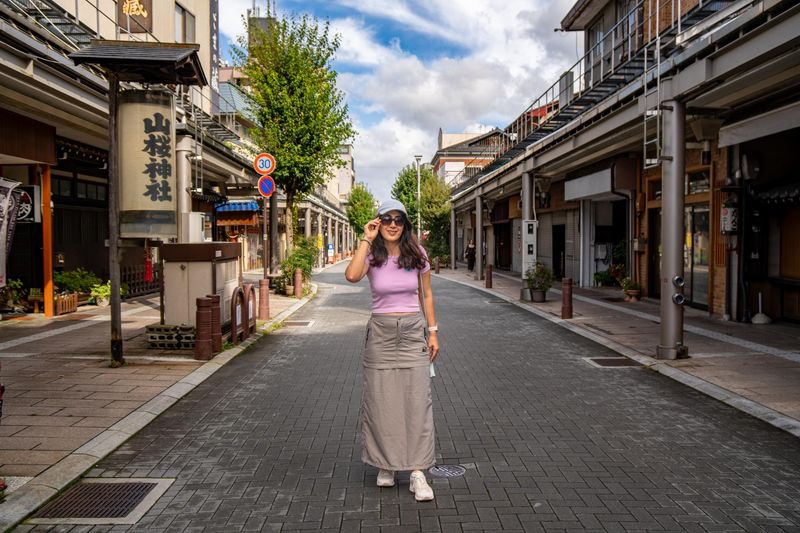
Yes, I definitely think Takayama is worth visiting, especially if you want to see a different side of Japan beyond cities like Tokyo, Osaka and Kyoto.
What I liked about Takayama was that we didn't really need a strict sightseeing plan. The town itself is part of the experience.
You can wander through the old streets, stop at small shops and cafés, visit the morning market, walk along the river and discover temples and shrines along the way.
It also has an interesting history. Because of its remote mountain location, Takayama was relatively isolated for centuries, which helped preserve its old town and wooden architecture.
Takayama flourished during the Edo period, between the 17th and 19th centuries, and the Hida region became particularly well known for its skilled carpenters and craftsmen.
Today, you can still see that craftsmanship in the wooden buildings around the town.
And if you're coming to Japan partly for the mountains, Takayama makes even more sense. It gives you the combination of history, food and culture while also putting you within easy reach of the Japanese Alps.
How to Get to Takayama
Despite being surrounded by the Japanese Alps, Takayama is well connected by trains and highway buses, so it is relatively easy to reach from many major cities in Japan.
From Tokyo, you can travel by Shinkansen to Toyama and change to the JR Limited Express Hida, or take a direct highway bus from Shinjuku.
From Nagoya, the easiest option is the direct JR Limited Express Hida, which takes around two and a half hours. Buses also connect Nagoya with Takayama.
From Kyoto and Osaka, you can travel via Nagoya and continue to Takayama by Limited Express Hida.
There are also direct buses from Kanazawa and Matsumoto, making Takayama easy to include in a wider Japanese Alps itinerary.
Once you arrive, Takayama Station and the Nohi Bus Centre are next to each other, and the Old Town is only around a 10–15 minute walk away.
Where to Stay in Takayama
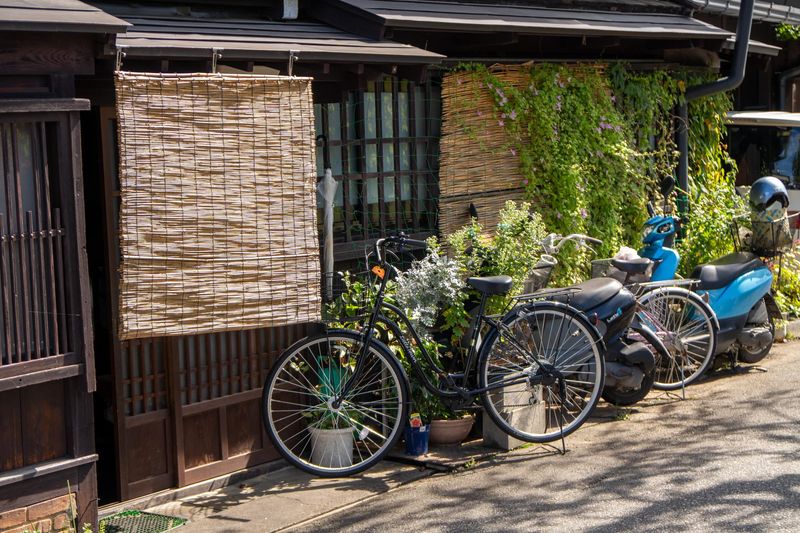
Takayama is compact, so you don't need to worry too much about choosing the wrong area. For a first visit, I would either stay near Takayama Station for easy transport connections or close to the Old Town if you want to be within walking distance of the historic streets, morning markets, cafés and restaurants.
If you are planning day trips to places like Shirakawa-go, Hirayu Onsen or the Japanese Alps, staying near the station is particularly convenient as the Nohi Bus Centre is right next to it. Residence Hotel is a good option here, especially if you want more space and easy access to trains and buses.
For a traditional stay and somewhere closer to the Old Town, Hotel Wood puts you right in the historic centre and is a great choice if you want to explore early in the morning before the streets get busy.
The Machiya Hotel is another traditional option between the station and the Old Town, giving you a good balance between location and transport connections.
And if you want a more traditional Japanese experience, have a look at Sumiyoshi Ryokan, a Japanese-style inn close to the Miyagawa Morning Market.
Top Things to Do in Takayama
1. Explore Takayama Old Town
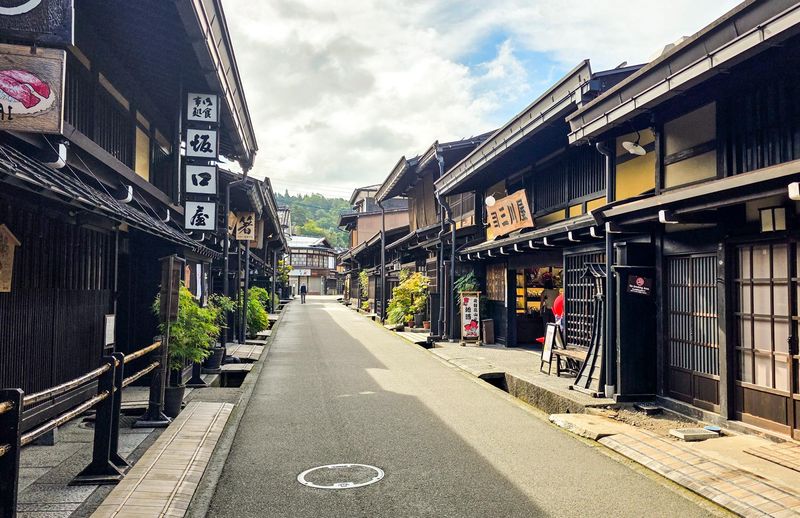
If you only have time to do one thing in Takayama, start with the Old Town. The historic Sanmachi area was once Takayama's commercial centre and is filled with traditional wooden merchant houses, lattice-fronted buildings, shops, cafés and sake breweries. It is around a 12-minute walk from Takayama Station.
This was probably my favourite part of Takayama. Takayama is small and easy to explore on foot, so we spent a lot of time simply walking without worrying too much about where we were going.
And don't stick only to the busiest street. Some of my favourite streets were actually the quieter ones nearby. We would turn into a random residential street and find beautiful wooden houses, tiny shops and hardly anyone around.
If you enjoy photography, I recommend coming early. We were walking around at around 8:30 in the morning when many shops hadn't even opened yet. It was peaceful, and we could take our time filming and taking photos.
By around 11 am, the same streets were noticeably busier.
2. Shop for Sarubobo and Local Crafts
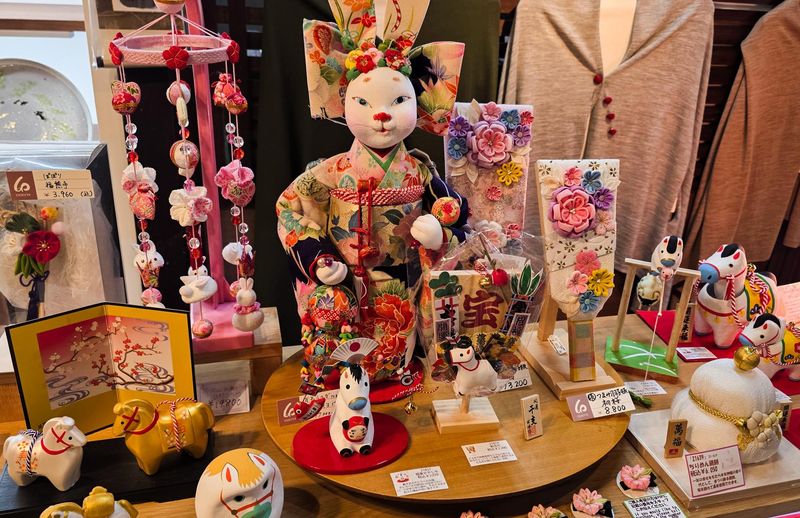
You will see little faceless dolls everywhere in Takayama. These are called sarubobo, a traditional symbol associated with the Hida region.
They come in different colours and are commonly bought as charms or souvenirs. We found them in shops all around the Old Town, alongside an almost dangerous amount of other cute Japanese things.
This was also where my determination not to buy unnecessary souvenirs started disappearing.
There are beautiful chopsticks, ceramics, wooden crafts, decorations and tiny household items everywhere. I remember looking at all the chopsticks and their little holders thinking how cute they were, despite the fact that we hardly ever use chopsticks at home.
So perhaps my real Takayama advice should be: leave some empty space in your suitcase before coming to Japan.
3. Visit Miyagawa Morning Market

If you're staying overnight in Takayama, make time for the morning market.
Takayama actually has two morning markets: Miyagawa Morning Market alongside the Miyagawa River and Jinya-mae Morning Market in front of Takayama Jinya.
The Miyagawa market stretches for around 350 metres along the river, with stalls selling fruit, vegetables, pickles and spices as well as Japanese sweets, crafts and souvenirs. The Jinya-mae market has an even longer history, dating back more than 300 years.
We visited the Miyagawa Morning Market, and I really enjoyed it. It isn't only about shopping. The setting beside the river makes it a lovely morning walk, and there are cafés and places to grab breakfast or try local snacks along the way.
The market runs until around midday. Current official hours are 7 am to noon from April to November and 8 am to noon from December to March.
4. Visit Sakurayama Hachimangu Shrine
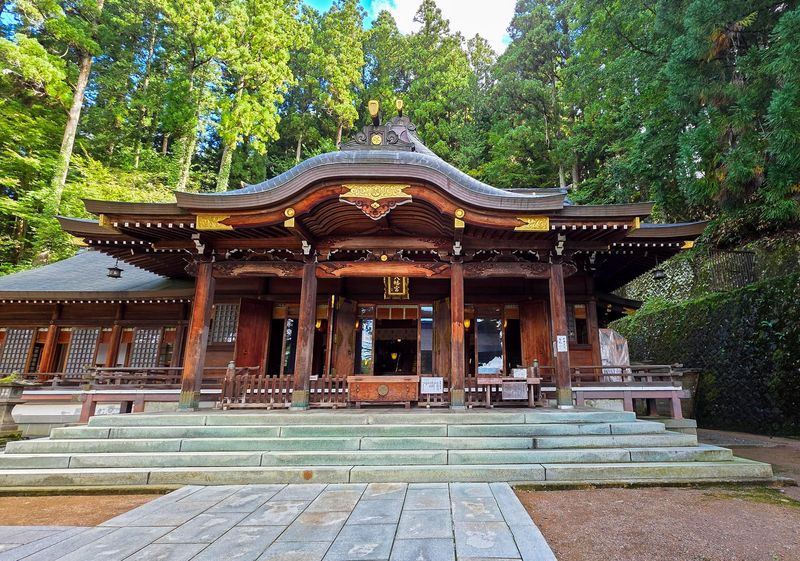
Just a short walk from the market, you'll find Sakurayama Hachimangu Shrine, one of Takayama's important historic shrines.
The shrine's origins are associated with warriors praying for victory at this site around the 4th century, although it has gone through periods of destruction and rebuilding and was restored in the 17th century.
It's surrounded by tall trees and felt very peaceful when we visited. It's also closely connected with one of Takayama's biggest cultural events.
The Autumn Takayama Festival, or Hachiman Matsuri, takes place here every year on 9 and 10 October. Eleven elaborately decorated festival floats are associated with the autumn festival, alongside processions and traditional performances. The shrine itself is free to visit.
5. See the Takayama Festival Floats
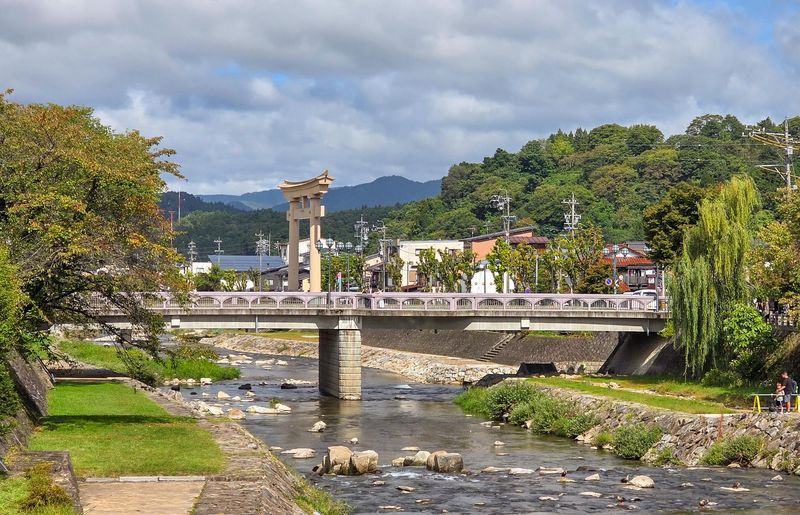
Even if your visit doesn't coincide with the festival, you can still learn about one of Takayama's most famous traditions.
Takayama actually has two major annual festivals: the Spring Festival on 14 and 15 April and the Autumn Festival on 9 and 10 October. The celebrations are famous for their elaborate yatai festival floats, processions and traditional performances.
If seeing the Takayama Festival is high on your Japan wish list, I would plan accommodation well in advance because these are understandably some of the busiest dates of the year.
6. Visit Takayama Jinya
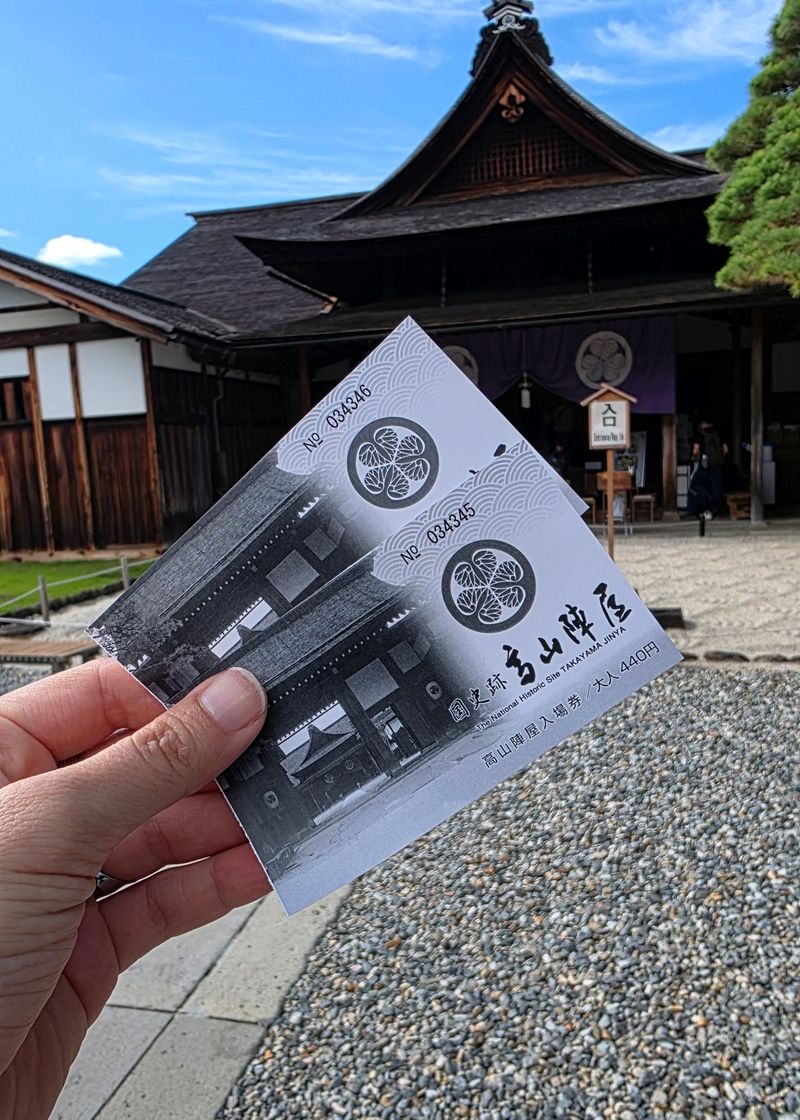
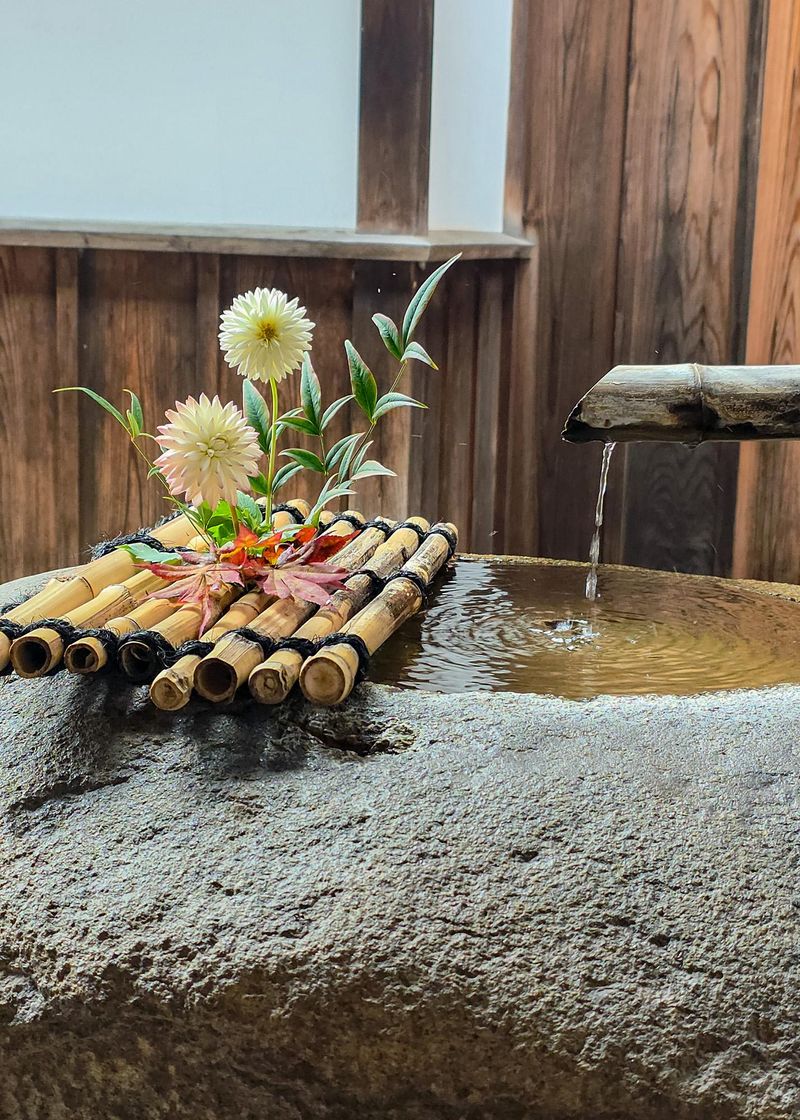
Another place worth visiting if you want to understand Takayama's history is Takayama Jinya.
During the Edo period, Takayama came under the direct control of the Tokugawa shogunate, and Takayama Jinya was used as the local government office.
There were once more than 60 similar government buildings around Japan. Takayama Jinya is the only one that remains today, and the complex includes offices, residential areas and storehouses where rice collected as tax was kept.
Inside, you take off your shoes and walk through traditional tatami rooms, administrative offices and other parts of the complex.
I found it particularly interesting because after walking around Takayama looking at historic buildings from outside, here you actually get to go inside one and understand more about how it was used.
Takayama Jinya is also right beside the Jinya-mae Morning Market, so it's very easy to combine the two.
7. Visit Hida Kokubunji Temple
There are several temples around Takayama, and many can easily be incorporated into a walk around the centre. One of the most important is Hida Kokubunji, just a five-minute walk from Takayama Station.
The temple is known for its three-storey pagoda and enormous ginkgo tree, which is believed to be more than 1,200 years old. The main temple building dates from the Muromachi period and is considered the oldest building in Takayama.
It's another easy stop that doesn't require going out of your way, particularly if you're walking between the station and the Old Town.
8. Walk the Higashiyama Walking Course
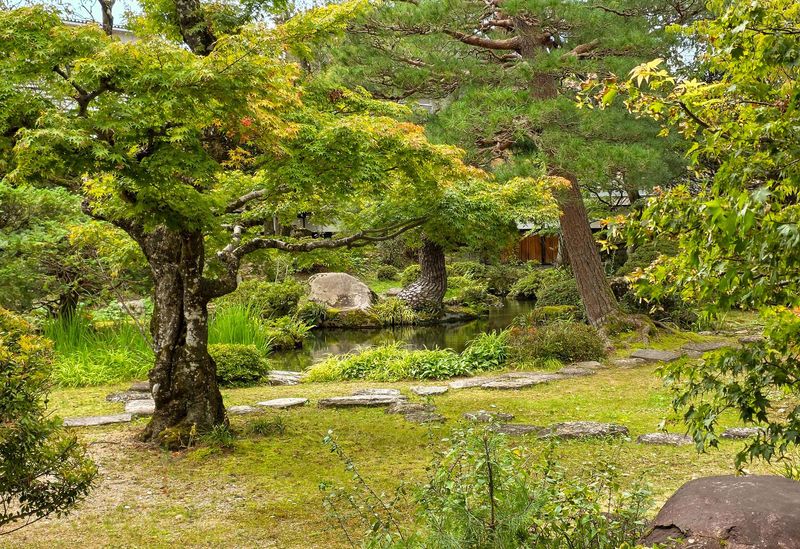
This is one to add if you have more time in Takayama and enjoy walking. The Higashiyama Walking Course takes you through Takayama's temple district on the eastern side of the town and towards Shiroyama Park.
It's a good option if you've already explored the main Old Town streets and want somewhere quieter. The official tourism board recommends the route as a way to visit a number of temples and shrines on foot.
For me, this is exactly the kind of thing that makes Takayama worth spending more than a few hours in.
9. Visit Hida Folk Village
Another popular attraction worth considering if you have extra time is Hida Folk Village, or Hida no Sato.
This open-air museum covers around 99,000 square metres and contains more than 30 traditional buildings from the Hida region. Inside the houses, you can learn about everyday life in mountain communities, and there are also demonstrations of traditional crafts.
It's around a 10-minute bus ride from Takayama Station, so you don't need a car.
If you're also visiting Shirakawa-go, I wouldn't necessarily say you need to do both if you're short on time, but Hida Folk Village is much easier to fit into a Takayama itinerary.
10. Try Hida Beef
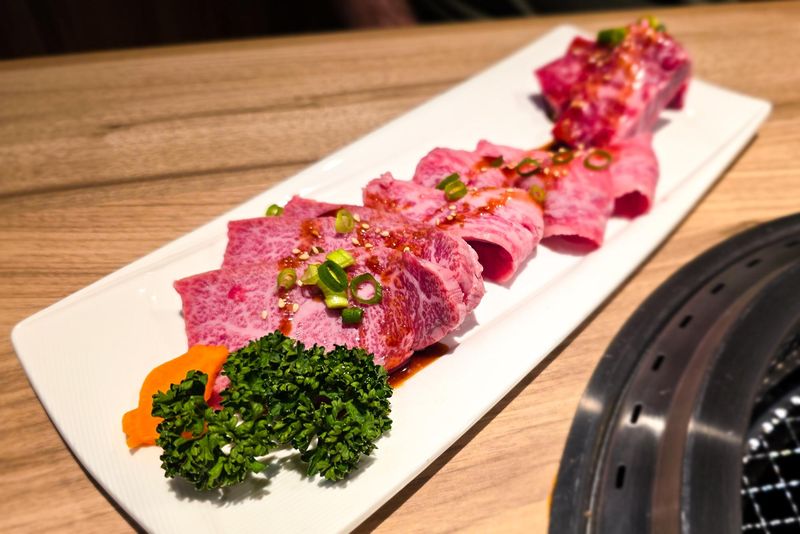
You can't really come to Takayama without trying Hida beef. Japan is famous for wagyu, and Hida beef is the regional variety you'll see on menus all over Takayama.
We tried it at a restaurant where the meat was brought to the table for us to cook ourselves. I loved this because I could cook it exactly how I wanted it. Rare is definitely not for me, so I went for medium.
The meat was incredibly tender.
You'll find Hida beef served in many different ways around Takayama, from steaks and yakiniku to skewers and beef sushi, so you don't necessarily need to book an expensive restaurant to try it.
11. Try Takayama Ramen
Another local speciality to look out for is Takayama ramen, sometimes called Hida Takayama ramen.
It's typically made with thin, curly noodles in a soy-based broth and is quite different from some of the heavier ramen styles you might try elsewhere in Japan.
If you're visiting during the colder months, this is exactly the kind of food you'll want after walking around town.
12. Visit a Sake Brewery
Takayama's cold climate, rice and water have helped create a long tradition of sake brewing, and historic breweries still operate around the Old Town.
As you walk through Sanmachi, look above the entrances for large balls made from cedar leaves. These are called sugidama and traditionally indicate a sake brewery.
Several breweries offer tastings, making this easy to combine with exploring the Old Town rather than treating it as a separate excursion.
13. Slow Down and Enjoy Takayama's Cafés
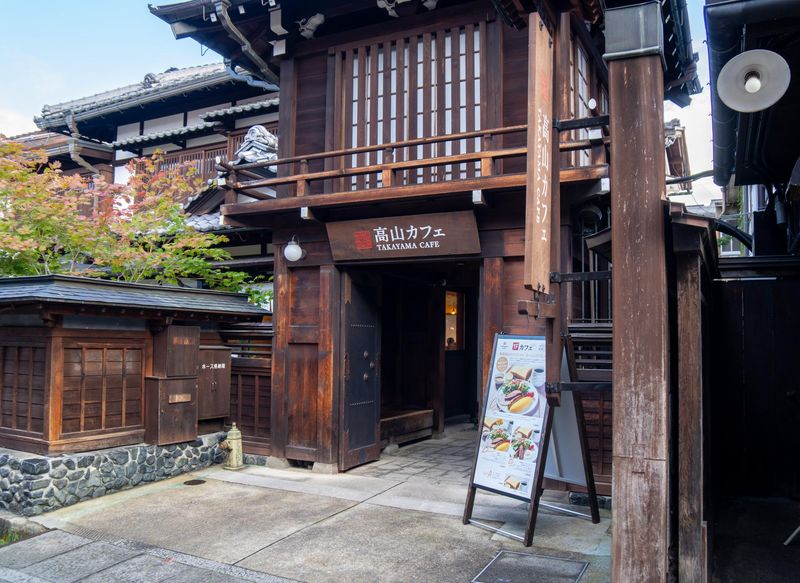
One thing we quickly realised in Takayama was that this isn't a city where you need to rush between attractions all day.
We stopped at a traditional-style café, took off our shoes and sat down for coffee and matcha. Sometimes those small experiences end up being as memorable as the big attractions.
And Takayama is particularly good for this because everything is so close together. You can walk for a while, stop somewhere for coffee or food, then continue exploring.
14. Take a Day Trip from Takayama
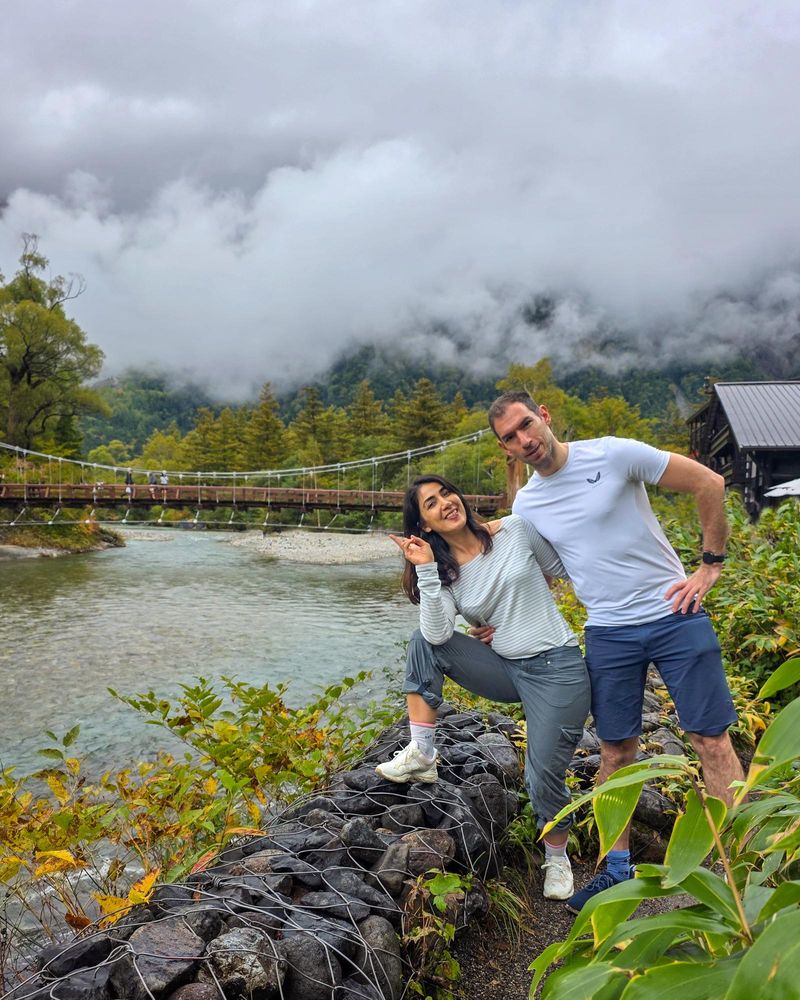
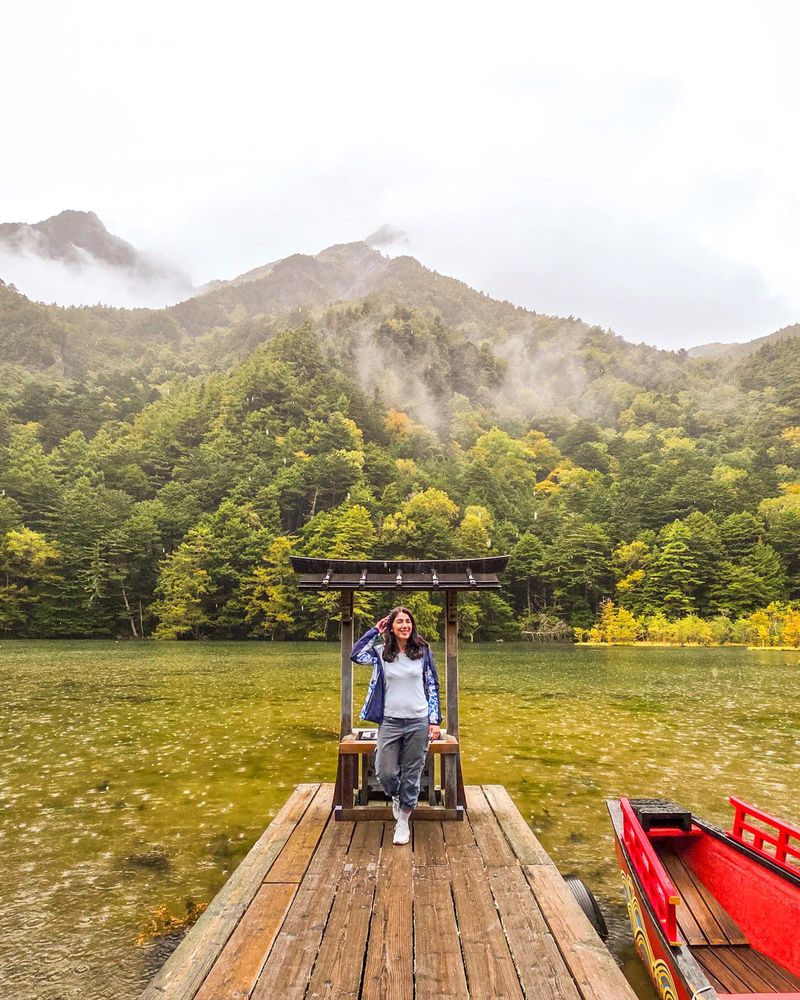
One of the reasons Takayama is such a good place to stay for a few nights is its location. Many travellers use it as a base for exploring the Japanese Alps and surrounding villages, and you can reach several beautiful places without hiring a car.
If you love mountains and hiking, Kamikochi is one of the best day trips from Takayama. We spent time hiking there during our trip, and it was one of my favourite places in the Japanese Alps. You can travel from Takayama by bus via Hirayu Onsen, and you don't need to do a difficult hike to enjoy Kamikochi – there are also easy walks along the Azusa River.
Hirayu Onsen itself is worth considering if you want to experience a traditional Japanese hot spring town. We stayed two nights in a traditional ryokan here, which I would recommend if you have time, but you can also visit from Takayama.
Another option is the Shinhotaka Ropeway, which takes you high into the Northern Japan Alps for panoramic mountain views. We visited during our trip, although unfortunately the weather wasn't on our side, so I recommend checking the forecast before you go.
And one of the most popular day trips from Takayama is Shirakawa-go, a UNESCO World Heritage village famous for its traditional gassho-zukuri farmhouses. It takes around 50 minutes by bus from Takayama, or you can join a guided Shirakawa-go day tour from Takayama.
You can also find tours combining Shirakawa-go and Ainokura, another traditional mountain village, in one day.
Frequently Asked Questions About Takayama
How Many Days Do You Need in Takayama?
I recommend spending at least two days in Takayama. The main attractions are close together, so you can see quite a lot in one day, but staying overnight means you can explore the Old Town early in the morning before it gets busy.
If you want to use Takayama as a base for visiting Kamikochi, Shirakawa-go, Hirayu Onsen or other parts of the Japanese Alps, I would stay for three or four nights.
Is One Day Enough for Takayama?
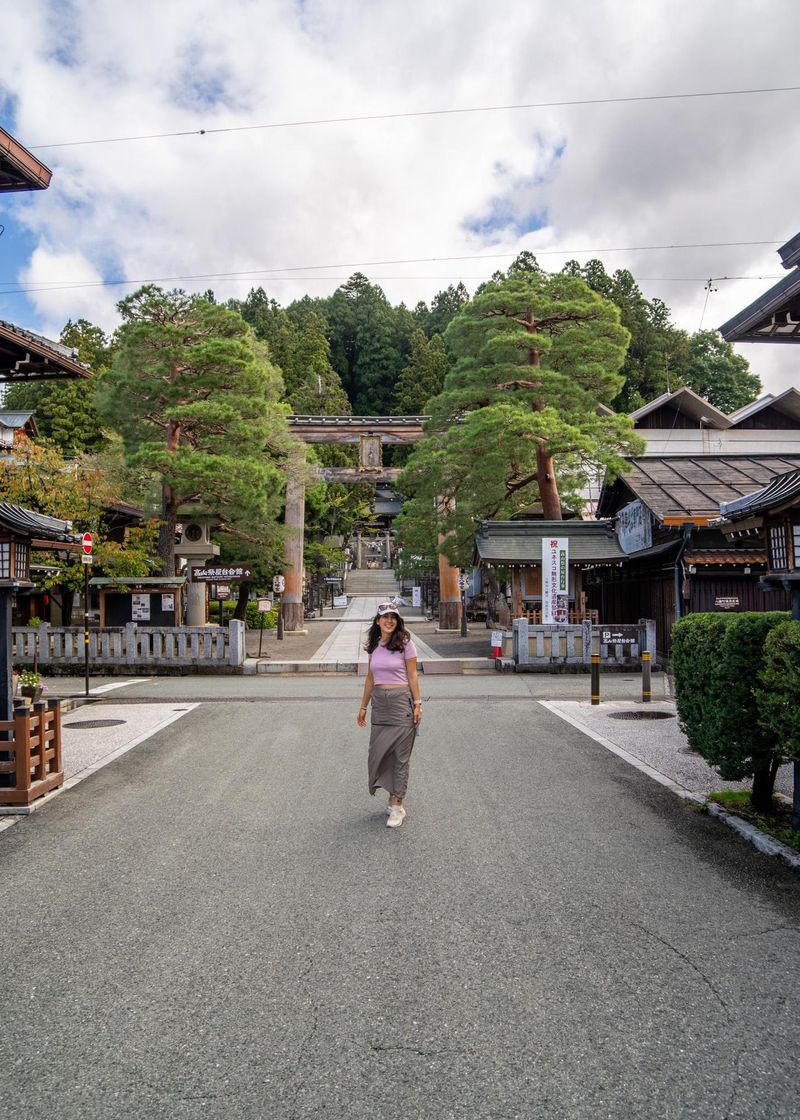
Yes, you can see many of Takayama's main attractions in one full day, including the Old Town, morning market, Takayama Jinya and some of the temples and shrines.
However, I wouldn't recommend coming all this way just for a few hours. Takayama is particularly lovely early in the morning when the streets are quieter, so staying at least one night gives you a much better experience.
What Is Takayama Famous For?
Takayama is best known for its beautifully preserved Old Town, traditional wooden architecture, Takayama Festival and Hida beef. It is also known for sake breweries, local craftsmanship and its location in the Japanese Alps.
What Is the Best Time to Visit Takayama?
Takayama can be visited throughout the year, but spring and autumn are particularly popular. The famous Takayama Festival takes place twice a year, in April and October, while autumn is also a beautiful time to explore the surrounding mountains.
Summer is a good choice if you want to combine Takayama with hiking in the Japanese Alps, while winter brings snow and a completely different atmosphere.
Does Takayama Get Crowded?
Takayama does get busy, particularly around the main streets of the Old Town and during the Takayama Festival, but we found it much less overwhelming than places like Kyoto.
Timing makes a big difference. We explored the Old Town at around 8:30 in the morning and it was incredibly peaceful. When we returned at around 11 am, the same streets were noticeably busier.
Can You Visit Shirakawa-go From Takayama?
Yes. Shirakawa-go is one of the most popular day trips from Takayama and takes around 50 minutes by bus.
You can visit independently or book a guided Shirakawa-go day tour from Takayama, and some tours also combine Shirakawa-go with Ainokura.
Do You Need a Car in Takayama?
No. You don't need a car to visit Takayama. The centre is compact, and most of the main attractions are within walking distance.
Takayama also has good bus connections to places such as Shirakawa-go, Hirayu Onsen and the Japanese Alps, so it's possible to explore much of the surrounding area using public transport.