

Most people seem to learn to ski before they can even tie their own shoelaces. They grow up on the slopes every winter, and by the time they’re adults, they’re fast, relaxed, and seemingly fearless. To them, skiing is as natural as walking.

That wasn’t our story.
Despite Bruno growing up near the mountains in Italy and me visiting a slope near Tehran once or twice as a child, neither of us ever took proper lessons. Skiing just wasn’t part of our childhood. So, when we decided to give it a try in our 30s. We were genuine beginners.
As a childfree couple who are always looking for new activities and new challenges, we thought: why not? Why not try something that scares us a little?
If you’ve been sitting on the sidelines wondering if you’ve missed the boat, this is for you. Here is our honest experience of learning to ski as adults, what it actually felt like, what we did wrong at first, and the practical tips that helped us feel more comfortable and confident on the slopes.
This post contains affiliate links and if you click one I may receive a small commission at no extra cost to you.
Why Learning to Ski as an Adult Feels Harder
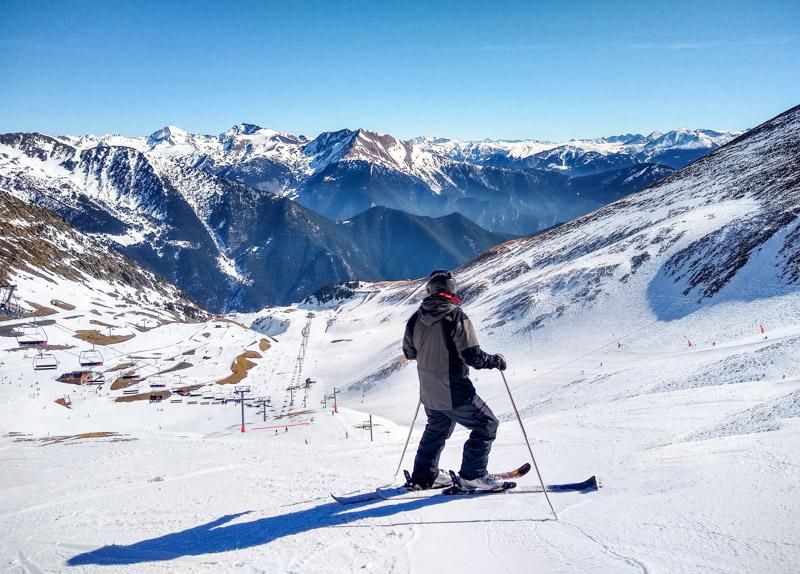
The challenge isn't just physical; it’s mental.
Children learn by moving. They don’t overthink the mechanics; they just react. As adults, our approach is different. We tend to:
Calculate the risk: We understand the consequences of a fall.
Worry about injury: We think about work, responsibilities, and recovery time.
Over-analyse: We deconstruct every instruction instead of trusting our bodies.
Fear of looking inexperienced: There is a specific discomfort in being a beginner in a space where others look effortless.
The truth is, most adult beginners aren’t limited by fitness. They’re limited by fear.
When you start skiing in your 30s or 40s, you aren’t just learning a sport; you’re managing your mindset. You have to acknowledge the fear before you can actually focus on the technique.
Mistakes to Avoid When Learning to Ski as an Adult

Our first ski trip taught us more about what not to do.
We took the cable car up the mountain in Innsbruck, excited and slightly overconfident. The problem? We didn’t properly check the routes. We didn’t fully understand the colour system. We just assumed we would “figure it out.”
We were standing at the top of a steep slope, and suddenly reality hit. We were beginners, on terrain that wasn’t designed for beginners. We were terrified.
I honestly don’t remember how we made it down. I just remember it didn’t feel controlled, we fell many times, and it definitely wasn’t enjoyable.
On the second day, a friend joined us. He had skied since childhood and gave us some basic tips: lean forward, control your turns, don’t panic. It helped us survive the day, but we knew this wasn’t the right way to learn.
That trip taught us one important lesson:
Trying to teach yourself skiing as an adult is much harder than it needs to be.
And here’s another mistake we made, as beginners, you cannot just go on any slope.
Understanding the Colour System Matters
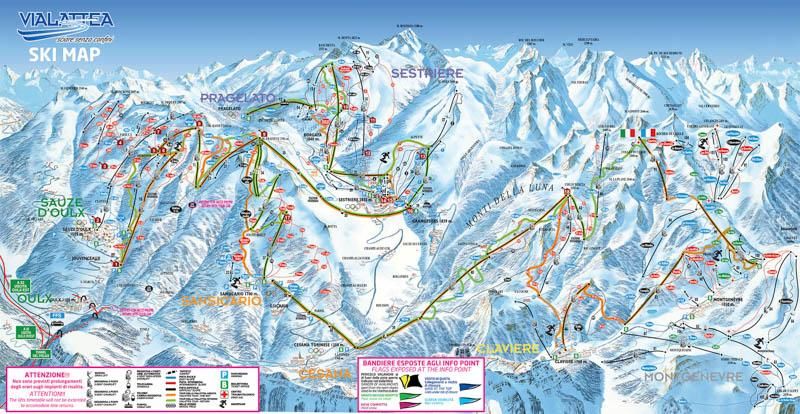
If you’re new to skiing, this is essential:
Green / Blue = beginner-friendly
Red = intermediate
Black = advanced
(Colours vary slightly by country, but the principle is the same.)
As beginners, you should stay on wide, gentle slopes designed for learning. Steeper terrain doesn’t make you improve faster. It just makes you tense. And tension is the enemy of progress.
Take Proper Lessons (Even If It’s Just for a Few Hours)
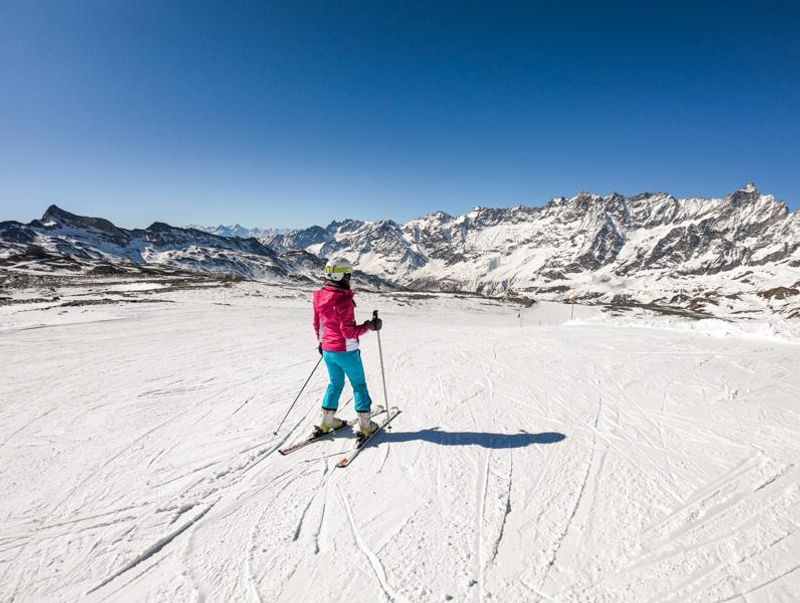
If there’s one piece of advice I would give anyone learning to ski as an adult, it’s this: take lessons.
After our first chaotic experience in Innsbruck, we knew we needed a smarter approach. So the following year, we chose Andorra, which is much more beginner-friendly, and we booked lessons on the first and second days, just a couple of hours each day. That simple decision changed everything.
The instructor immediately spotted what we were doing wrong. Like most adult beginners, we were leaning back, which feels safer, but actually makes you less stable and harder to control.
Within that first session:
Our posture improved immediately.
We stopped leaning back (classic beginner mistake).
We gained confidence faster.
We reduced unnecessary falls.
After each lesson, we practice what we had learned. We stayed on the appropriate blue runs. We didn’t rush. We focused on control, not speed.
By day three, skiing felt smoother. We weren’t in survival mode anymore. And by the end of that five-day trip, we skied a red run.
That progression didn’t happen because we suddenly became brave. It happened because we had structure.
Trying to teach yourself skiing as an adult adds unnecessary frustration. Even a short lesson at the beginning can save you days of struggle.
And even now, we sometimes book an instructor for a few hours to refine our technique. There’s always something to improve.
Choose the Right Ski Resort
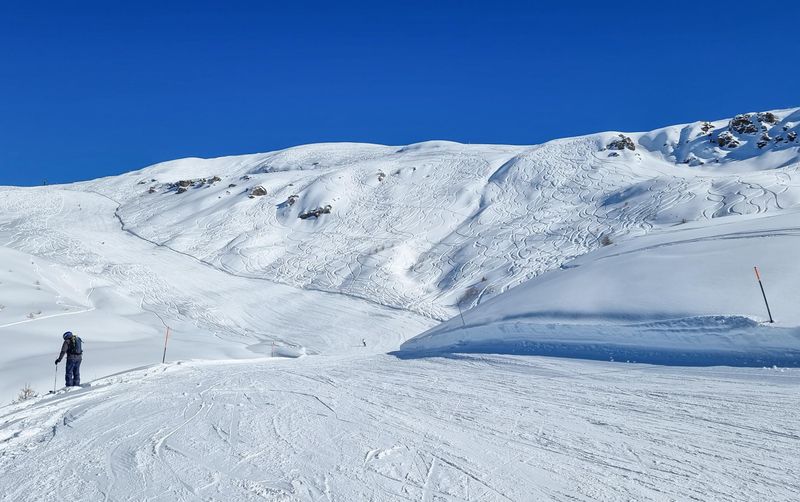
There are so many ski resorts to choose from, especially in Europe. It’s tempting to pick one based on beautiful photos, popularity, or where your friends go every year.
But when you’re learning to ski as an adult, the type of terrain matters more than the location itself.
Not all resorts are designed equally for beginners. Some have limited easy runs. Some have steep transitions between lifts. Some don’t offer much space to practise without pressure.
As an adult beginner, what you need is:
Wide, well-groomed blue runs
Gradual progression from easy to slightly more challenging slopes
Good ski schools
Beginner-friendly lift access
Space is important
When slopes are narrow or too steep too quickly, fear increases. And when fear increases, your body stiffens, making skiing harder.
You don’t need the biggest or most famous resort. You need one that allows you to build confidence step by step.
If you’re researching options, I’ve written a separate guide on the best ski resorts in Europe for beginners and intermediate skiers, where I go into more detail about what to look for.
Safety and Gear: Keep It Simple, But Do It Properly

When you’re learning to ski, you will fall. That’s normal. And because beginners fall more often, wearing proper gear from the start really matters.
A helmet is essential for everyone, not just adults. It’s standard on most slopes now, and it gives you peace of mind while you’re still building control. When you feel safer, you ski more relaxed. And relaxation is key to improving.
Goggles are equally important. Mountain weather changes quickly, and visibility affects confidence more than you think. Bright sun, flat light, wind, snow, good goggles protect your eyes and help you see the terrain clearly.
In the past years, we have been using helmets and goggles from Outdoor Master and we love them. You can use my code “TRAVEL10422” to get %10 off on your purchase.
Warm, waterproof ski gloves are also non-negotiable. Beginners spend more time on the snow adjusting skis, getting up after falls, or practising balance. Cold or wet hands can ruin your focus very quickly.
I also always wear a neck warmer or buff. It protects you from wind, especially on chairlifts, and keeps warmth in without feeling bulky. Small things like that make a big difference over a full day on the mountain.
In the beginning, we rented skis, boots and poles, which I completely recommend. There’s no need to invest heavily until you’re sure you enjoy it. What matters most is that your boots fit properly and your clothing keeps you warm but flexible.
Build Strength Before Your Ski Trip
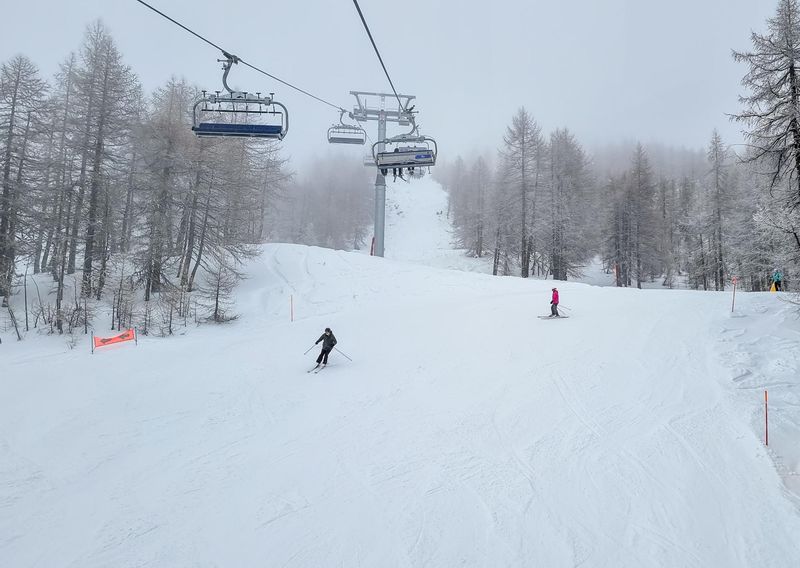
Skiing is physically demanding in ways your everyday life simply isn’t. You don’t need to be a professional athlete, but a little preparation can prevent your holiday from being cut short by muscle fatigue.
Bruno and I are both active, and exercise is part of our lifestyle. But as we get older, we’ve realised something important: staying fit isn’t just about looking healthy, it’s about staying capable of doing activities later in life. That’s really the idea behind Adventure for All Ages: building a lifestyle that supports long-term adventure.
We weren’t shaking or completely exhausted on our first trips, but we definitely felt how specific the movement is. Skiing uses your muscles differently, especially your legs. It’s sustained tension, repeated turns, and long hours on your feet.
If you’re planning a ski trip, give yourself a few weeks of preparation.
Focus on leg strength. Squats and lunges are simple but incredibly effective. Your quadriceps do most of the work when skiing, and they’re usually the first muscles to give up if you haven’t prepared them. Even two or three short sessions a week can make a noticeable difference.
Balance is just as important. Skiing requires stability, especially when you’re learning. Simple habits, like standing on one leg while brushing your teeth or adding basic balance exercises to your routine, improve the core control you’ll rely on on the slopes.
And don’t ignore cardio. You’ll be at altitude, moving for hours, often in cold conditions. You don’t need extreme training, but brisk walks, cycling, or light jogging a few times a week will help your body cope with long days on the mountain.
Basic Rules of the Slopes
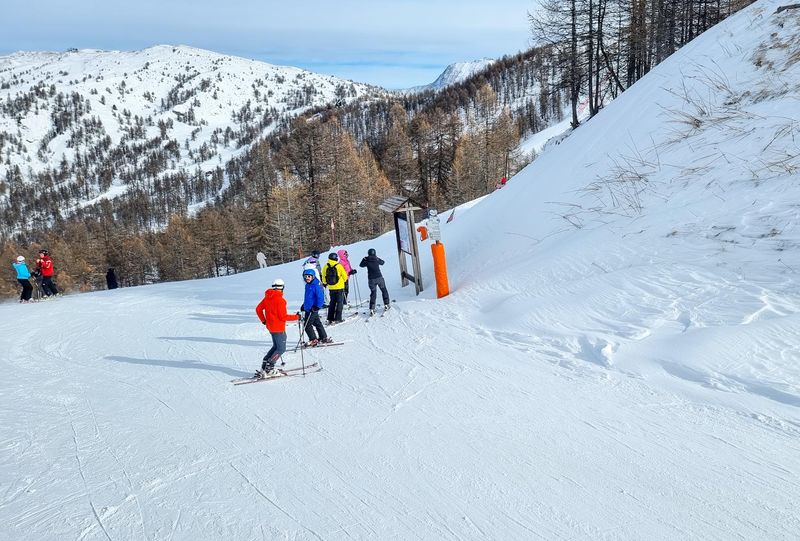
When you’re a beginner, the mountain can feel slightly chaotic. Skiers are moving at different speeds, snowboarders sit down unexpectedly, and people cross from one side of the piste to the other. In the beginning, that environment can feel more stressful than the skiing itself.
Understanding a few basic slope rules makes everything calmer and safer.
The most important rule is that the downhill skier has the right of way. This means the person below you on the slope has priority. They cannot see what’s coming from behind, but you can see them. It is always your responsibility to control your speed and choose a line that avoids the people in front of you. Once you understand this, the slope feels less random and more predictable.
Another important habit is knowing where to stop. It’s completely normal to pause, especially when you’re learning or waiting for someone but you should always move to the side of the piste. Stopping in the middle, just below a crest, or in a narrow section creates unnecessary risk because skiers coming from above may not see you in time.
Finally, always look uphill before you start moving again. Think of it like joining traffic at a junction. Before pushing off, take a second to check that no one is approaching quickly from above. This small habit prevents collisions and gives you more confidence.
How to Build Confidence on the Slopes and Actually Improve
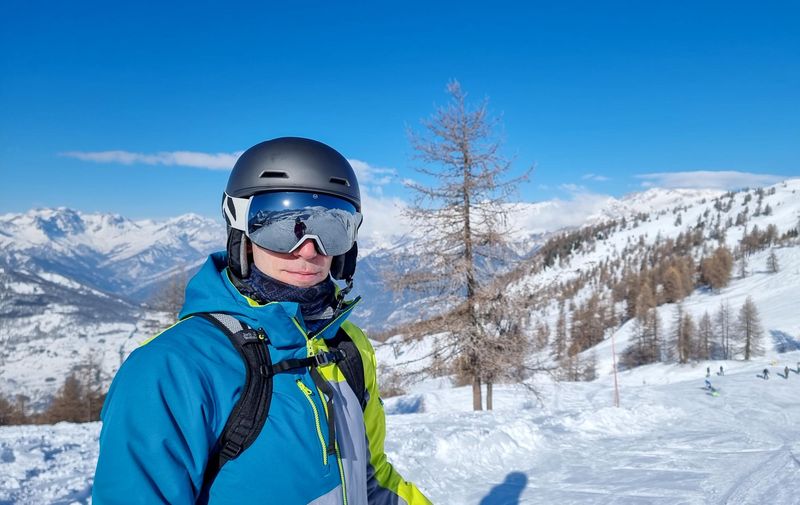
Confidence doesn’t come from being brave. It comes from feeling in control. Once you trust that you can stop and turn when you need to, the fear naturally reduces. This is what genuinely helped us move from nervous beginners to actually enjoying our runs.
Master the Stop First
Before thinking about speed or steeper terrain, get completely comfortable with your snowplough (“pizza”). Knowing you can slow down and stop at any moment changes everything mentally. Control removes panic.
Practise With Focus, Not Ego
More hours don’t always mean more progress. It’s better to ski a few focused hours than push through the whole day exhausted. Once your legs are tired, your form drops. We improved most when we practised specific movements repeatedly instead of just trying to ski more runs.
Stay on Terrain That Matches Your Level
There’s no reward for moving up too quickly. Confidence is built through repetition on slopes where you feel safe. If you go too steep too soon, your body stiffens and your technique disappears. Progression works best when it feels steady, not forced.
Look Ahead, Not Down
It’s natural to look at your skis when you’re nervous, but that throws off your balance. Keeping your head up and looking ahead helps your body anticipate the slope and react more smoothly.
Film Yourself
If you’re skiing with a partner, ask them to take a short video of you. Often what you think you’re doing isn’t what’s actually happening. Seeing yourself ski helps you adjust posture and improve faster.