

When most people think of Japan, they picture the neon lights of Tokyo, the temples of Kyoto, or the food scene in Osaka. But Okinawa feels completely different. With its turquoise water, subtropical climate, and slower pace of life, this part of Japan surprised me more than anywhere else in the country, even after visiting other hidden gems like Kamikochi.
I actually didn’t know much about Okinawa's main island until we started planning our trip. Like many travellers, we wanted to add scuba diving in Japan to our itinerary, and that’s when Okinawa came up. We originally added it for the diving, but once we arrived, we stayed longer and ended up exploring much more of the island than we expected.
Okinawa is a chain of islands located in the southernmost part of Japan, with its own history as an independent kingdom and a culture that feels distinct from the mainland. It’s often described as Japan’s tropical side, and once you’re here, that comparison makes complete sense.
In this travel guide, I’m focusing on Okinawa’s main island, sharing the best things to do, the most beautiful beaches, where to stay, and practical tips to help you plan your trip to Okinawa.
This post contains affiliate links, and if you click one, I may receive a small commission at no extra cost to you.
When Is the Best Time to Visit Okinawa?
Okinawa can be visited year-round, but timing matters depending on what you want to do. Spring (April to June) and early autumn (late September to October) are generally the best periods, with warm weather, fewer crowds, and good conditions for both sightseeing and time in the water.
Typhoon activity typically peaks between August and September. If you’re travelling during this period, or even in October, as we did, flexibility is key. We had days with perfect visibility for diving, and other days when we couldn’t get into the water at all.
How to Get Around Okinawa
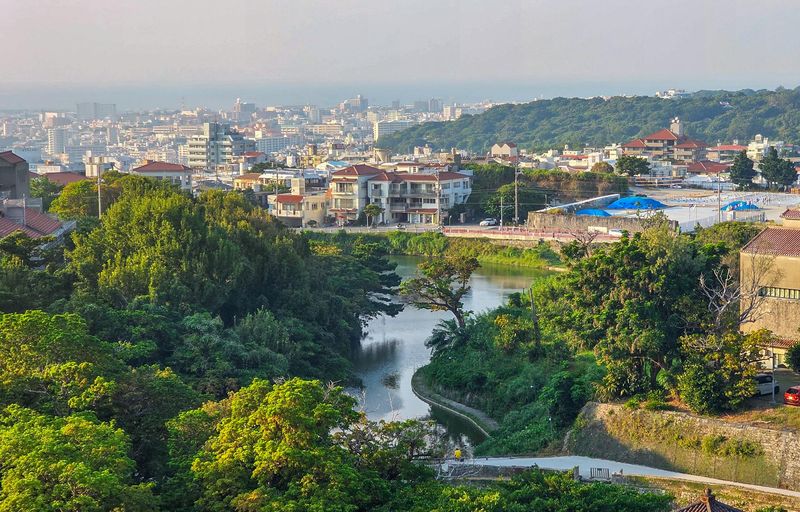
The best and most convenient way to get around Okinawa is by renting a car. While public transport works reasonably well within Naha, it’s very limited once you leave the city. To reach the best beaches, coastal spots, and the north of the island, having your own wheels makes a huge difference.
If you plan to drive, you must have an International Driving Permit; rental companies won’t let you take the car without it. One big plus for UK travellers is that Japan drives on the left, so it feels familiar straight away. Roads are in good condition, signage is clear, and driving is generally very relaxed.
Speed limits in Okinawa are quite low and strictly enforced, so keep an eye on your speedometer, as fines can be heavy.
You can easily rent a car or compare prices through Klook, which we found convenient for booking in advance.
If you still need to get your International Driving Permit , use the code "TRAVELWITHMANSOUREH10" for a discount.
Get Your International Driving Permit
Where to Stay in Okinawa
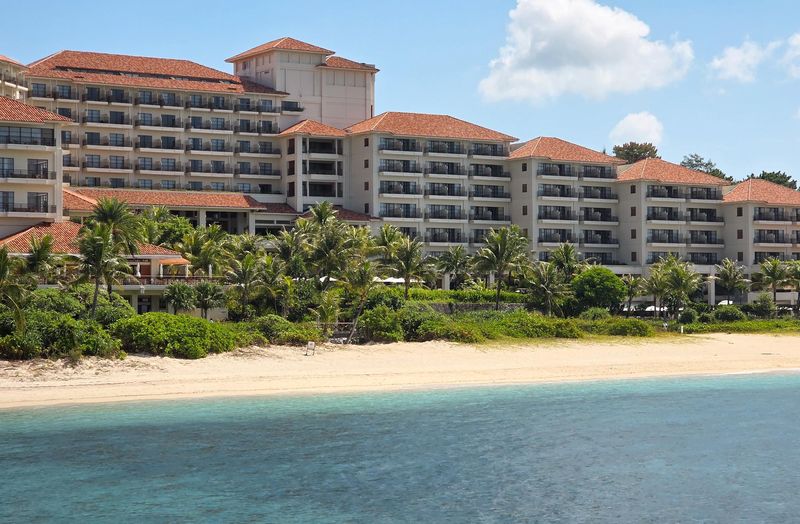
Okinawa is a fairly large island, so where you stay really depends on what kind of trip you’re planning.
If it’s your first time in Okinawa, staying in Naha makes a lot of sense. It’s where the airport is, it has the best choice of restaurants and local food, and it’s easy to get around without a car at first. We stayed in Naha at Hotel Aqua Citta, because of the rooftop pool, and it was great. Other great options in Naha are JR Kyushu Hotel Blossom and the more upscale Hyatt Regency.
If you want a mix of beach access and a lively atmosphere, Chatan is a great base. It’s right next to Sunset Beach and American Village, which makes it a fun place to stay, especially in the evenings. Popular hotels in this area include Vessel Hotel Campana, which overlooks the beach, Hilton Okinawa Resort, and the modern LeQu Spa & Resort.
For a more relaxed, tropical stay, head to Onna Village. This is where many of Okinawa’s best beach resorts are located, and it’s ideal if you want easy access to swimming, snorkelling, and diving. Well-known options here include Hotel Moon Beach, which sits right on the sand, Hotel Monterey and the stunning Hyatt Regency Seragaki.
If you’re looking for something quieter and more nature-focused, staying further north around Motobu is a good option. This area feels more local and less busy, and it’s a great base for exploring the north of the island. Highly rated places here include Orion Hotel, Hilton Okinawa Sesoko Resort, and Ala Mahaina Condo Hotel.
Best Things to Do in Okinawa
Explore Naha & Kokusai Dori
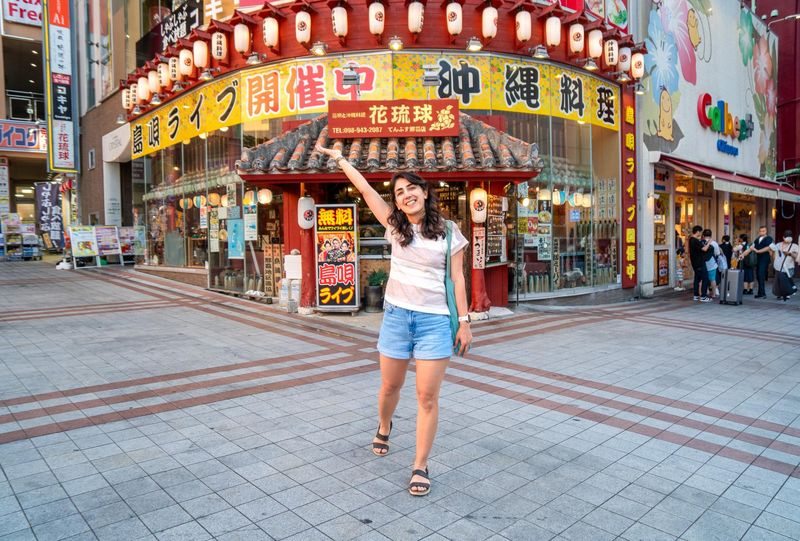
Any trip to Okinawa starts in Naha, and even if you don’t stay here, it’s well worth spending some time in the city.
The main street is Kokusai Dori, a lively stretch filled with shops, cafés, and restaurants. It’s busy and definitely touristy, but it’s also one of the best places to try Okinawan food and ease into the rhythm of the island.
What I enjoyed most was simply wandering without a plan. You’ll find small local shops selling handmade items alongside food stalls and cafés. I picked up a handmade necklace here, with a tiny piece of the ocean inside; a simple but meaningful memory to take home from Okinawa.
Just off Kokusai Dori, the covered market streets feel quieter and more local. This is where people come to do their everyday shopping, and it’s a nice contrast to the main street. Even a short walk through these side streets gives you a different feel for the city.
Visit Shuri Castle
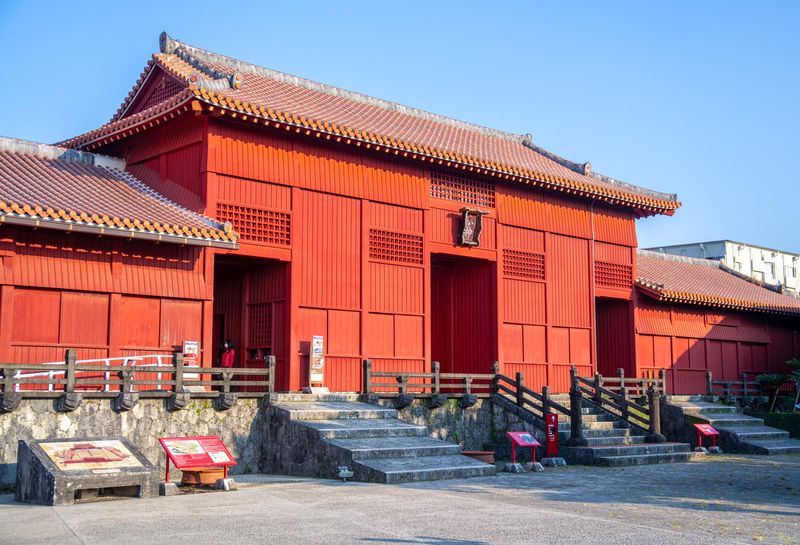
From Naha, it’s a short drive to Shuri Castle, one of the most important historical sites in Okinawa and a place that really helps you understand how different this island is from mainland Japan.
Shuri Castle was the former royal palace of the Ryukyu Kingdom, which ruled Okinawa for centuries. The architecture here feels very different from the castles you see elsewhere in Japan, with strong Chinese influences and a more open layout.
Parts of the castle were damaged by fire in recent years, and reconstruction is still ongoing, but it’s still well worth visiting. Walking around the grounds gives you a real sense of Okinawa’s history, and the elevated position offers beautiful views over Naha and the surrounding area.
Whale Watching from Naha

If you’re visiting Okinawa during whale season (January to March), one of the best things to do is going on a Whale Watching Tour. This tour departs directly from Naha and includes hotel pickup and drop-off, which makes it very easy to fit into your itinerary.
Every year, humpback whales migrate to the waters around Okinawa to breed and raise their calves, and this tour gives you the chance to see them in the wild. You’ll spend time out at sea with an experienced crew, watching these gentle giants surface, dive, and sometimes even breach. It’s a relaxed and memorable experience, and there’s also a chance of spotting dolphins along the way.
Visit Katsuren Castle Ruins
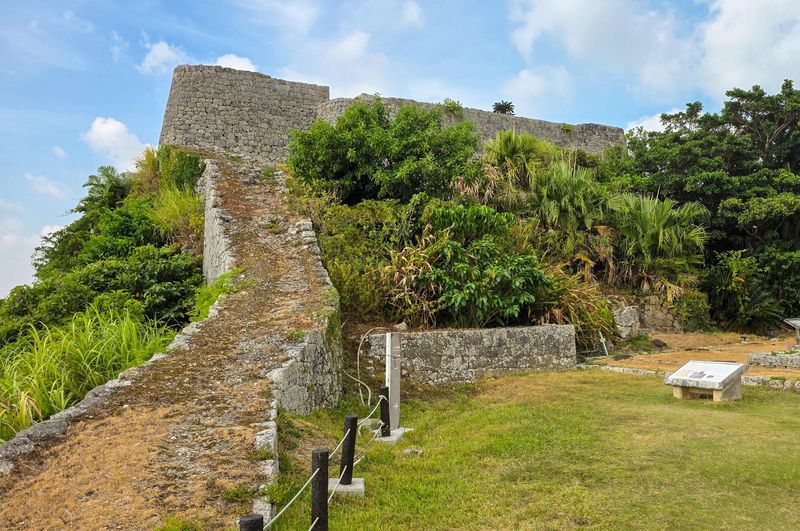
Katsuren Castle Ruins is one of Okinawa’s most scenic historical sites and part of the UNESCO-listed gusuku ruins of the Ryukyu Kingdom.
Unlike Shuri Castle, which feels more formal and centrally located, Katsuren Castle Ruins feel raw and exposed. Visitors park at the base and walk up to the ruins,an easy climb that rewards you with wide, open views of the ocean on both sides.
The elevated position makes it easy to understand why this site was strategically important in the past. What I liked most about Katsuren Castle was how quiet it felt compared to other historical sites. It’s a great place to slow down, take in the landscape, and connect Okinawa’s history with its natural surroundings before continuing along the coast.
Visit Busena Marine Park
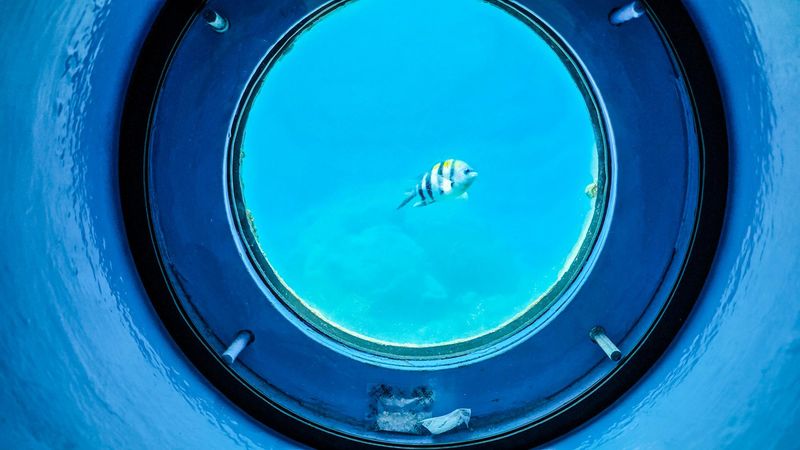
Busena Marine Park is one of the most unique places to visit on Okinawa’s main island, especially if you want to experience the underwater world without diving.
The park is located on the west coast in the north of the island, and if you’re not staying nearby, you’ll need a car to get here. There’s parking at the hotel area, and from there you can take a short shuttle to the marine park entrance.
To reach the underwater observatory, you walk along a long bridge over turquoise water until you arrive at a white tower that extends about five metres below the surface. Instead of looking into tanks like in a traditional aquarium, you’re observing wild fish in their natural habitat, swimming freely around the reef.
Even as a scuba diver, I found Busena Marine Park genuinely fascinating. It’s a way to see Okinawa’s marine life up close without getting wet.
Enjoy Okinawa’s Beaches & Swimming Spots

Okinawa’s beaches are a highlight of any trip, but they work a little differently than you might expect. Many of the most beautiful stretches of sand are managed by resorts. While they may look private, most are open to the public for a "facility fee" (usually around ¥500–¥1,500) which covers your use of showers, lockers, and changing rooms.
Moon Beach is a stunning example on the west coast. The water is calm and clear, making it perfect for families. When we visited in late October, the official swimming season was winding down. Like many resort beaches, you can still walk the sand for free, but swimming is only allowed when lifeguards and jellyfish safety nets are in place (typically April through October).
Other resort-managed favourites include Manza Beach and Tiger Beach. These are great if you want a "day pass" experience with access to water sports and clean facilities.
Looking for free beaches? If you want to avoid resort fees, you have some great options:
Sunset Beach (Chatan): A favourite for a reason! It’s a public city beach with free entry and free parking nearby. It has a lively, international vibe and is the best place to watch the sun go down.
Zanpa Beach: Located near the iconic Cape Zanpa Lighthouse, this is a beautiful public spot with a more rugged feel.
Nirai Beach: Just down the road from Zanpa, this is a stunning natural beach. It’s free to access, though you may need to pay for parking if you aren't staying at the nearby hotel.
Diving & Snorkelling in Okinawa
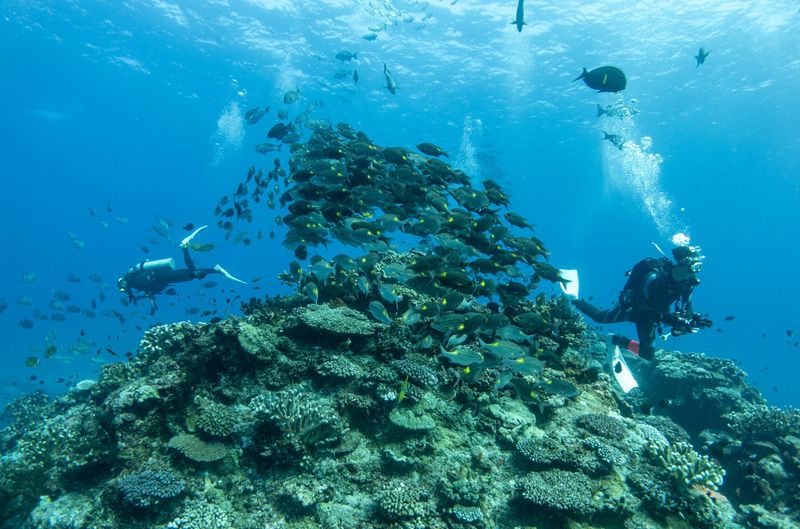
One of the main reasons we added Okinawa to our Japan itinerary was scuba diving. Okinawa is one of the best places in Japan for both diving and snorkelling, thanks to its clear water, coral reefs, and rich marine life.
There are dive and snorkelling spots all around the main island, particularly along the west coast and further north. Water visibility can be excellent, and conditions are generally good for beginners as well as more experienced divers. Even if you don’t dive, you can take a full-day snorkelling tour in the Kerma Island, to have a glimpse of Okinawa’s underwater world.
Spend time in American Village
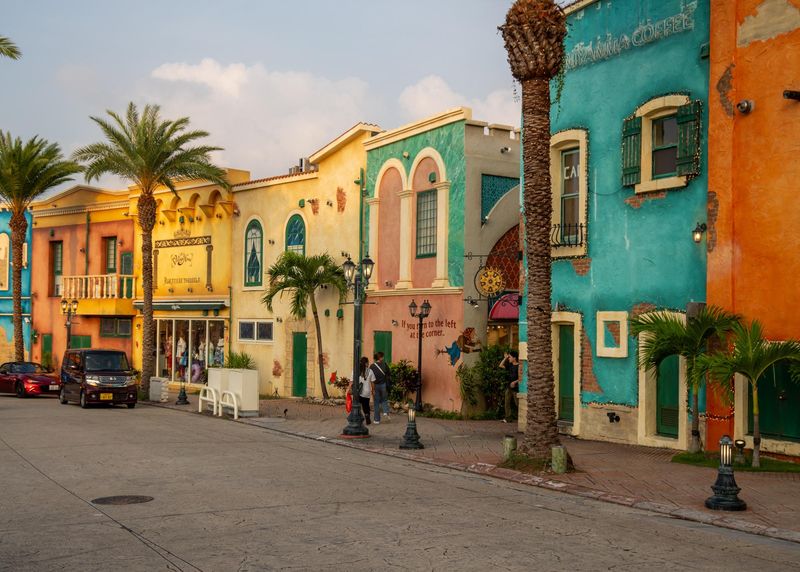
American Village is one of the most lively places on Okinawa’s main island, especially in the evening. Built on a former US airfield, the area feels very different from the rest of Okinawa, with colourful buildings, neon signs, and wide promenades.
There’s a strong American influence here, which makes it feel more like a California-style boardwalk than Japan. It definitely has a theme-park feel, but it’s also a fun place to spend a few hours. You’ll find plenty of restaurants, cafés, shops, and casual bars, making it an easy stop for dinner or an evening walk. You can spend hours wandering through the maze-like Depot Island area.
It’s not the most authentic part of Okinawa, but it’s lively, relaxed, and a good contrast to the quieter, more traditional parts of the island.
Watch the Sunset at Sunset Beach
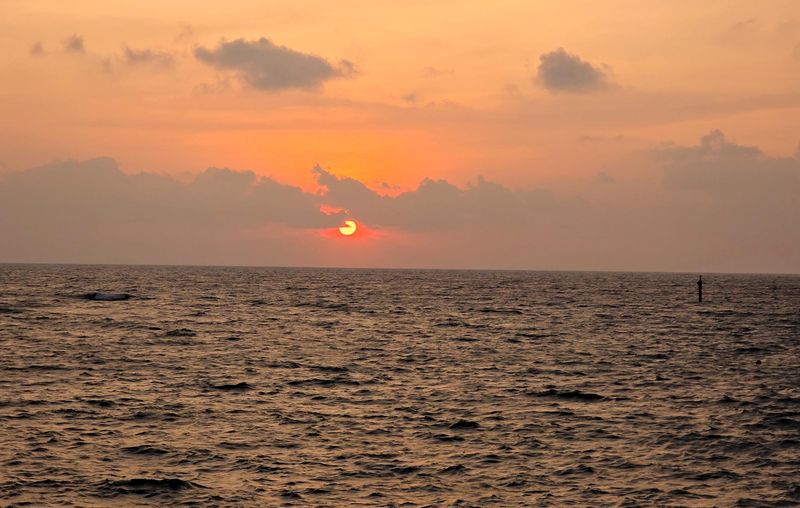
Right next to Sunset Beach, this is one of the nicest places on the island to slow down at the end of the day. As the sun begins to set, people gather along the beach and the seawall to watch the light change over the water.
The sunsets here are especially beautiful, with the sky often turning soft shades of orange and pink as the sun dips into the East China Sea. There’s a relaxed, social atmosphere in the evenings, and it feels very different from the quieter, more rugged beaches in the north of Okinawa.
It’s a simple experience, but an easy one to enjoy, and a nice way to end a day of sightseeing.
Is Okinawa Worth Visiting?
Yes — but it really depends on the kind of experience you’re looking for.
If you’re expecting Okinawa to feel like Tokyo or Kyoto, you might be surprised. Okinawa is slower, warmer, and much more relaxed. It feels less structured than mainland Japan, but that’s exactly what makes it special.
Okinawa is for you if:
You love the ocean. Okinawa is a world-class destination for diving and snorkelling, particularly along the west coast and around the nearby Kerama Islands.
You enjoy road trips. Having a car gives you the freedom to explore coastal roads, quieter beaches, and more remote areas in the north, including Motobu.
You want a cultural contrast. Learning about the history of the Ryukyu Kingdom and the local Blue Zone lifestyle offers a side of Japan you won’t find elsewhere.
You want to slow down. Okinawa is a great place to unwind after the high energy of Japan’s major cities.
Okinawa might not be for you if:
Your main interest is traditional Shinto shrines or ancient wooden temples (Kyoto is a better fit).
You prefer dense, walkable city life with constant neon lights and late-night energy.
You’re relying entirely on public transport and don’t want to rent a car.