

You’ve probably heard all sorts of things about this Moroccan city. I was the same. Before going, I had a mix of curiosity, not-so-great expectations, and even a bit of fear.
But after visiting, I realised Marrakesh isn’t just one thing. It’s chaotic and colourful, busy and intense, but also fascinating, photogenic, and full of surprises. A lot of the worries I had before going were either exaggerated or simply the result of not knowing what to expect.
In this travel guide, I’m sharing everything I wish I knew before visiting Marrakesh. The small details that make your trip easier, smoother, and much more enjoyable.
I travelled to Marrakesh with a friend, we were two female travellers, and in this post, I’ll talk honestly about safety, what to wear, scams to avoid, money, where to stay, and what it actually feels like to walk around the Medina.
If you’re looking for the best tours, I’ve already written an article about the best things to do in Marrakesh, where I share our favourite experiences. By the end of this guide, you’ll have a much clearer idea of whether Marrakesh is the right destination for you.And before we dive into the list, make sure to subscribe to my mailing list so you never miss out on my latest travel guides and tips!
Download my free packing checklist
Is Marrakesh worth visiting?
My short answer to this question is simply yes, Marrakesh is definitely worth a visit, but you need to know what you’re looking for.
You can’t expect a relaxing holiday in Marrakesh. This is not a destination where you switch off by the pool and take things slow. Marrakesh is a city you visit for the experience. Basically, if you’re looking for a quiet, slow-paced trip or a purely relaxing holiday, Marrakesh might not be the right fit.
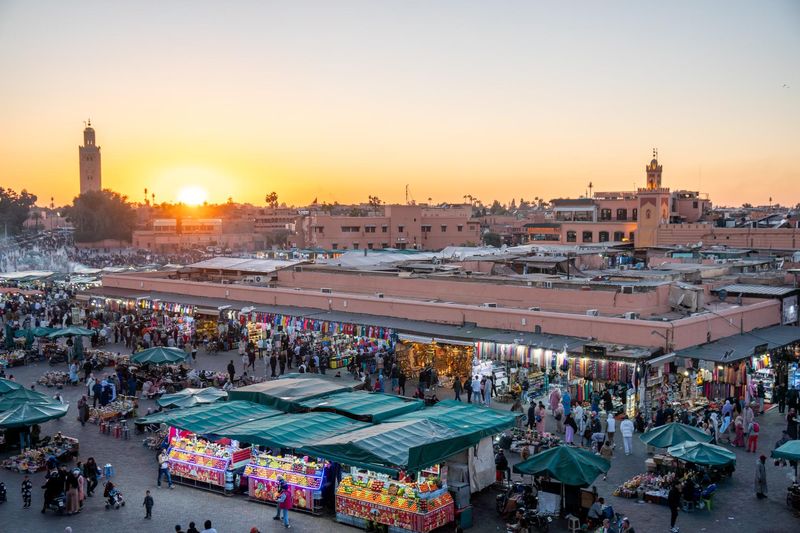
Marrakesh is vibrant, noisy, intense, and full of contrasts. Some people love that atmosphere, while others find it overwhelming. And that’s completely fine. We’re all different and look for different things when we travel.
That’s why it’s important to know what you want and what to expect before going. If you’re still not sure, I’m confident that by the end of this guide, you’ll be able to decide whether Marrakesh is the right destination for you or not.
Is Marrakesh safe for tourists?
About safety, we never felt unsafe during our stay. Even walking back to our riad at night as two female travellers. The streets are usually busy, with locals and tourists around, so you’re rarely alone.
That said, we did get frustrated at times. Some people constantly call out to you, trying to guess your nationality or get your attention. You quickly learn to ignore it. It’s more annoying than threatening, but it can be tiring and overwhelming.

It’s also worth mentioning that we avoided narrow, dark alleys at night, which is just common sense anywhere in the world. We were travelling as two women, but if I were alone as a solo female traveller, I would be more cautious and wouldn’t wander too far at night.
And of course, like anywhere, it’s important to keep an eye on your belongings, especially in crowded areas. Pickpocketing can happen, although it wasn’t something we personally experienced.
How to avoid scams in Marrakesh
You’ve probably heard or seen stories on social media about people getting scammed in Marrakesh. Unfortunately, there are some common scams, but the good news is that most of them are easy to spot and avoid once you know what to look out for.
As soon as we arrived, our riad warned us about a few common scams. One of the most well-known ones is the henna scam in the main square. Some women will grab your hand and start applying henna without asking, then demand money. On top of that, our riad also advised us to avoid getting henna there altogether, as many people have allergic reactions to it. The best approach is to say no firmly, avoid eye contact, and keep walking.

Another common one is the monkey scam. Someone will place a monkey on you and then ask for money. If you want to avoid this, don’t stop, don’t take photos, and keep walking.
You’ll also come across people in the Medina offering to guide you somewhere, even if you didn’t ask for help. They might seem friendly at first, but they’ll expect payment at the end. If you don’t need assistance, it’s perfectly fine to say no and continue on your way.
That said, not everyone is trying to scam you. We got lost a few times and asked for directions, and people helped us genuinely, with no expectations or demands for money.
Where to Stay in Marrakesh: Riad in the Medina or Outside the Old City?
Almost every travel guide will tell you to stay in a riad in the Medina. And I’m not going to be any different, because I can see why. If it’s your first time in Marrakesh and you want to experience traditional Moroccan houses, staying in a riad is absolutely worth it.
A riad is a traditional Moroccan guesthouse built around a courtyard, with beautifully decorated rooms. Most riads are tucked away inside the Medina, which is the old part of the city.

The Medina itself is busy, loud, and full of narrow alleys. But once you step inside a riad, it’s a completely different world; calm, peaceful, and quiet. It really does feel like an oasis in the middle of all the chaos.
We stayed at Riad Itrane and loved it. Riad Kheirredine, Riad El Youssoufi, and Riad Agathe & Spa are also great options if you’re looking for something similar.
That said, if you want a break from the hectic atmosphere, you might prefer staying outside the Medina. In the modern part of the city, you’ll find larger hotels and international chains with more space and familiar comforts.
La Mamounia, Sofitel Marrakech Lounge & Spa, and Four Seasons Resort Marrakech are all good options if you’re looking for a calmer, more relaxed stay.
We actually stayed in both areas, and honestly, each has its pros and cons
How many days do you need in Marrakesh?
You don’t need a lot of time in Marrakesh to see the highlights. If you’re only visiting the city, 3 to 4 days is ideal. That gives you enough time to explore the Medina, visit the main sights, enjoy the food, and experience the atmosphere without feeling rushed.
Marrakesh also works really well as a long weekend destination, especially if you’re flying from Europe or the UK. Even with just two full days, you can still get a good feel for the city.
If you have more than four days, Marrakesh is a great base for day trips. You can easily explore places like the Atlas Mountains, desert villages, or coastal towns such as Essaouira.
Best Time to Visit Marrakesh
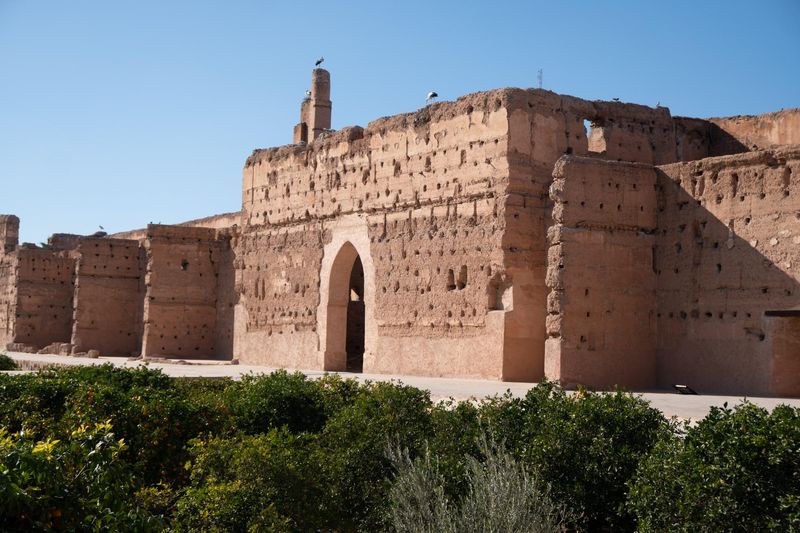
Marrakesh is mostly sunny all year round, which is one of the reasons it’s such a popular destination. But the weather isn’t always what people expect.
We visited Marrakesh in February, and during the day it was warm enough to walk around in a t-shirt. However, as soon as the sun went down, it got cold, and we definitely needed jackets. If you’re visiting in winter, packing layers is essential, especially if you’re planning day trips to the mountains or the desert.
In general, spring, March to May, and autumn, September to November, are the best times to visit Marrakesh. The weather is warm, sunny, and comfortable without being overwhelming.
Summer, especially July and August, can be extremely hot. Sightseeing during the day becomes difficult, and walking around the Medina in the heat can be exhausting. Personally, I’d avoid visiting Marrakesh during peak summer unless you’re very used to high temperatures.
What to wear in Marrakesh

Technically, you can wear anything in Morocco. But let’s be real, Morocco is a Muslim country, and you need to think about what you wear.
I’ve seen people wearing short skirts and tight shorts, no one stopped them, but they definitely got stared at. So if you want to avoid unnecessary attention, try your best to dress respectfully.
Loose, lightweight clothes work best. They’ll keep you cool during the day and help you blend in more. A scarf is also very useful, handy for visiting religious sites or when you want a bit of extra cover.
If you’re visiting in winter, bring layers. It can be warm in the sun during the day, but the evenings get surprisingly chilly, so a hoodie or light jacket really helps.
Is Marrakesh Expensive or Cheap? Money, Bargaining & Tipping
One of the most common questions people ask before visiting is whether Marrakesh is expensive or cheap. The short answer is that it depends on how you travel, but overall, Marrakesh can be very affordable, especially if you’re used to UK and European prices.
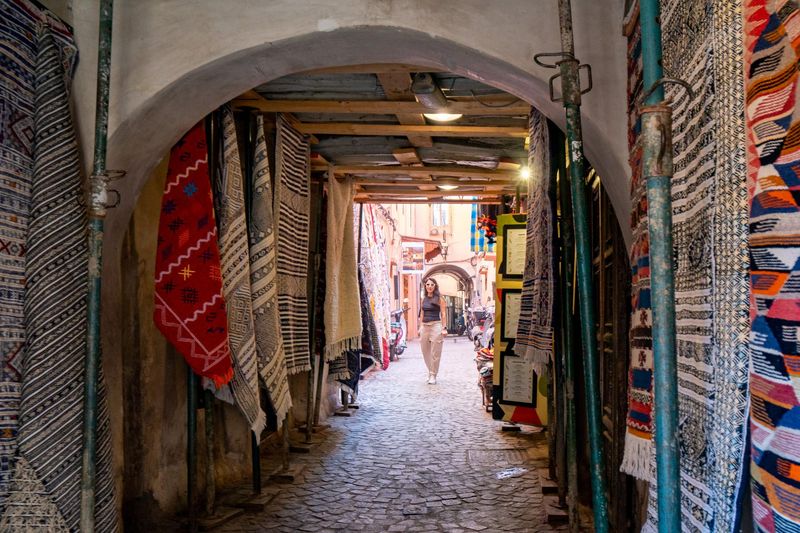
Let’s talk money, because in Marrakesh, you’ll need to carry cash. Cards are accepted in some places, such as nicer restaurants, hotels, and riads, but most local restaurants, shops, and taxis only take cash.
The local currency is the Moroccan dirham, and it’s not very easy to get outside the country. You can withdraw cash from ATMs around the city, there are plenty, or bring cash with you and exchange it once you arrive. Euros and US dollars are both easy to exchange in Marrakesh..
Now, bargaining. It’s a big part of the culture here, especially in the souks. Most things don’t have price tags, and you’ll often be quoted a price based on how you look or where you’re from. I know it can be frustrating to negotiate for almost everything, but it’s simply how things work here. If you want a better price, you’ll need to haggle.
That said, if you’re not used to bargaining, it can feel uncomfortable at first. My tip? Don’t take it too seriously. Smile, be polite, and if the price doesn’t feel right, just walk away. More often than not, you’ll be called back with a better offer.
When it comes to tipping, I’ll be honest, I sometimes find it a bit confusing. I personally prefer knowing the price of things upfront rather than guessing how much to tip, especially when it’s not clear what’s considered too little or too much.
That said, in Morocco, tipping is generally expected. I tried to leave small tips where it felt appropriate, especially for restaurant staff, hotel workers, and anyone helping with luggage or directions. It doesn’t need to be much, usually around 5–10% in restaurants or a small amount of cash for help, but it’s always appreciated.
Internet and SIM Card in Marrakesh
If you’re wondering about staying connected in Marrakesh, the good news is that the internet is pretty decent in most places. Most riads, hotels, and cafes offer free Wi-Fi. It’s not always super fast, but it’s good enough for maps, social media, and emails.
But you know me, I always get a local SIM card wherever I travel. You can buy one at the airport when you arrive, in the city, or even use an eSIM if your phone supports it.
So, should you get a local SIM or an eSIM?
For short trips, an eSIM is often the easiest option. You can set it up before you travel, there’s no need to visit a shop or swap SIM cards, and it works as soon as you land.
I usually use Airalo or Holafly when I travel, and they’ve both been reliable and easy to use. Airalo is great if you want a cheaper, pay-as-you-go data plan, while Holafly is better if you prefer unlimited data and don’t want to worry about running out.
Food and water in Marrakesh
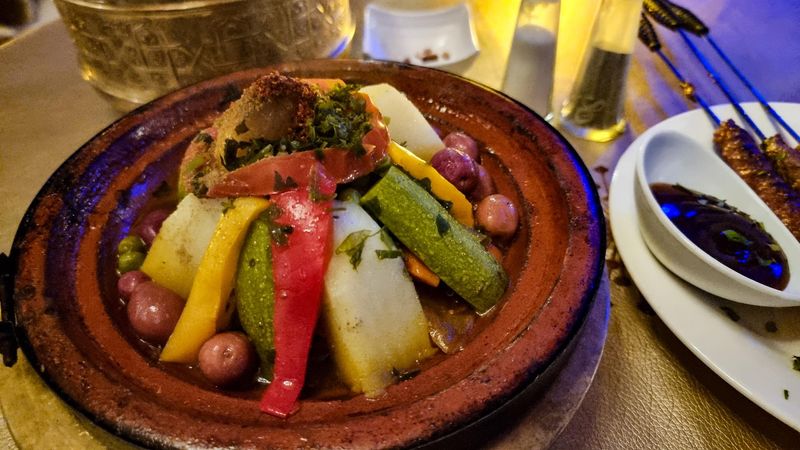
You’ve probably heard that Moroccan food is amazing, and I’m sure it is. But when you're in Marrakesh, especially in the Medina, you'll notice that most restaurant menus are almost the same. Tagine, more Tagines, couscous, grilled meats. For a couple of days, that’s totally fine, but it can get a bit repetitive.
The restaurants in the Medina don’t offer much variety. If you're staying longer or just want something different, head out of the Medina. You’ll find more diverse options in the modern parts of the city.
I definitely recommend trying some street food, like Harira soup, Msemen, or fresh juices. The orange juice is super refreshing, and if you visit in season, the pomegranate juice is amazing too.


And of course, you have to try Moroccan mint tea. Just keep in mind, it usually comes with a lot of sugar. If you're like me and prefer your tea without it, make sure to say no sugar when you order.
When it comes to water, don’t drink from the tap. Stick to bottled water. Most riads and hotels provide bottled water, or you can grab some at any shop nearby.
How to get around Marrakesh
Getting around Marrakesh is… an experience. The city isn’t huge, but it can feel overwhelming at first, especially inside the Medina.
If you’re staying in the Medina, you’ll be walking most of the time. The streets are narrow, cars can’t really get in, and it often feels like a maze. You will probably get lost at least once, and that’s normal. Google Maps can help, but it doesn’t always work well in the Medina, so be patient and go with it. Getting lost is honestly part of the experience.
Outside the Medina, taxis are the easiest way to get around. Just make sure to agree on the price before getting in, as many drivers don’t use the meter and some may try to overcharge tourists. If you’re unsure what a fair price is, ask your riad or hotel before heading out, that helped us a lot.
There is a local bus system, but most visitors don’t use it. Walking and taxis are usually more than enough for getting around Marrakesh.
For airport transfers, I’d recommend booking your transfer in advance, especially if you’re arriving late at night. It makes arrival much smoother and avoids any hassle after a long flight.
Photography in Marrakesh: What You Should Know
Taking photos in Marrakesh can be incredible: the colours, the architecture, and all the little details in the souks. But it’s also a place where you need to be mindful with your camera.
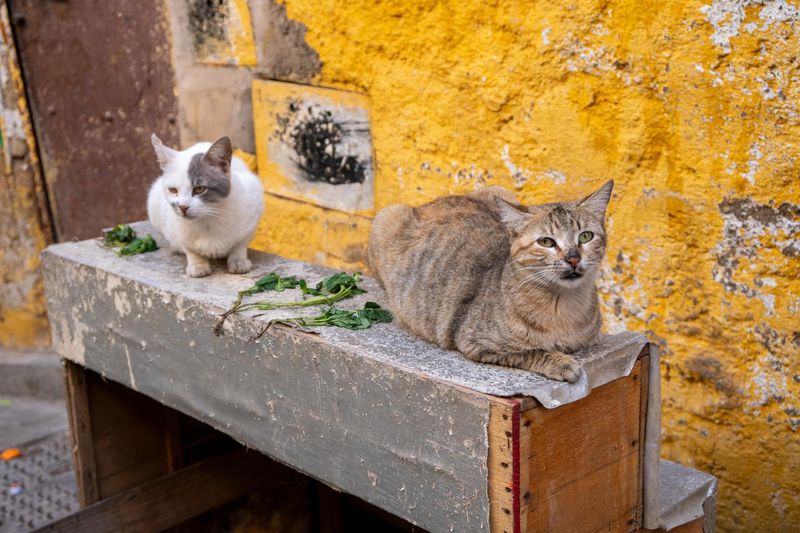
Not everyone likes being photographed, especially in the Medina. Some people are very private, and others simply don’t want to be in your shot. Always ask before taking a photo of someone or their shop. Many will say no, and that’s completely fine. Some won’t mind, but others may agree while expecting a small tip in return.
You might also see signs that say “no photos” in certain shops, so be aware of that. Even if you’re just taking a quick photo of a colourful display, it’s always best to ask first.
I personally gave small tips a few times when taking photos, especially in the souks. It wasn’t a big deal for me, but of course, that’s a personal choice, and I completely understand if this approach doesn’t feel right for everyone. Plus, Using a zoom lens or taking wider street shots helped me avoid awkward situations while still capturing the atmosphere.
Final tips before visiting Marrakesh
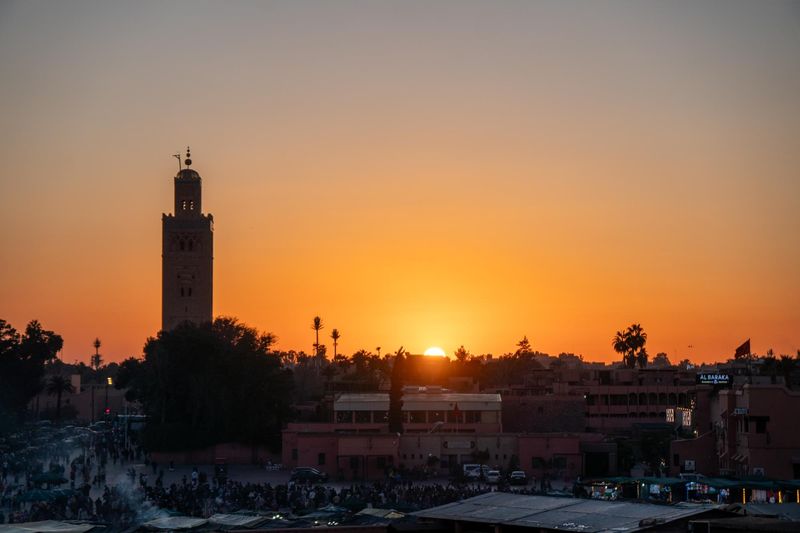
Before you go, there are a few last things worth keeping in mind that can really shape your experience in Marrakesh.
First of all, Marrakesh is not a relaxing destination. You don’t come here to slow down or switch off completely. You come for the experience, the colours, the noise, the energy, and the contrasts. It can feel overwhelming at times, and that’s part of the city’s personality.
Patience goes a long way here. You’ll be approached a lot, you’ll hear “hello” and “where are you from?” more times than you can count, and you’ll probably need to say “no” often. It’s normal, and it’s not rude , just part of daily life in Marrakesh.
Build breaks into your day. Going back to your riad in the afternoon, even for an hour, makes a huge difference. Marrakesh can be intense, and having a quiet place to retreat to helps you enjoy it more.
Dress comfortably and respectfully, keep your belongings secure, carry small cash, and don’t over-plan every minute. Some of the best moments happen when you wander, get a little lost, or simply sit and watch the city go by.
Most importantly, go with an open mind. Marrakesh isn’t perfect, polished, or predictable, but if you accept it for what it is, it can be fascinating, memorable, and completely different from anywhere else.
By now, you should have a good idea of whether Marrakesh is the right destination for you. And if you decide to go, knowing what to expect will make your trip far more enjoyable.