

Italy has some of the best skiing in Europe, but choosing where to go is not always easy.
There are huge interconnected ski areas, small mountain resorts, glamorous towns, beginner-friendly slopes and some seriously challenging terrain. And that is before you start comparing the Italian Alps with the Dolomites.
I have been skiing in Italy for years and have visited everything from smaller resorts to some of the country's biggest ski areas. I have skied beneath the Matterhorn in Cervinia, explored the Via Lattea from Sestriere and spent time skiing in smaller resorts such as Pila.
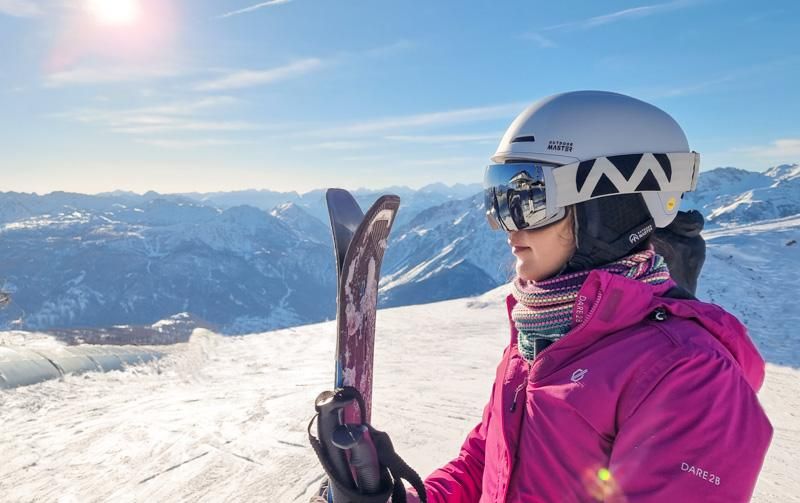
What I particularly like about skiing in Italy is that a ski holiday here does not have to be only about skiing. Good food is a big part of the experience, many resorts have beautiful mountain towns, and you can often combine your time on the slopes with spas, winter walks and other activities.
In this guide, I have brought together some of the best ski resorts in Italy and I share what you need to know about each ski resort and where to stay.
This post contains affiliate links and if you click one I may receive a small commission at no extra cost to you.
In the past years, we have been using helmets and goggles from Outdoor Master and we love them. You can use my code “TRAVEL10422” to get %10 off on your purchase.
Val Gardena
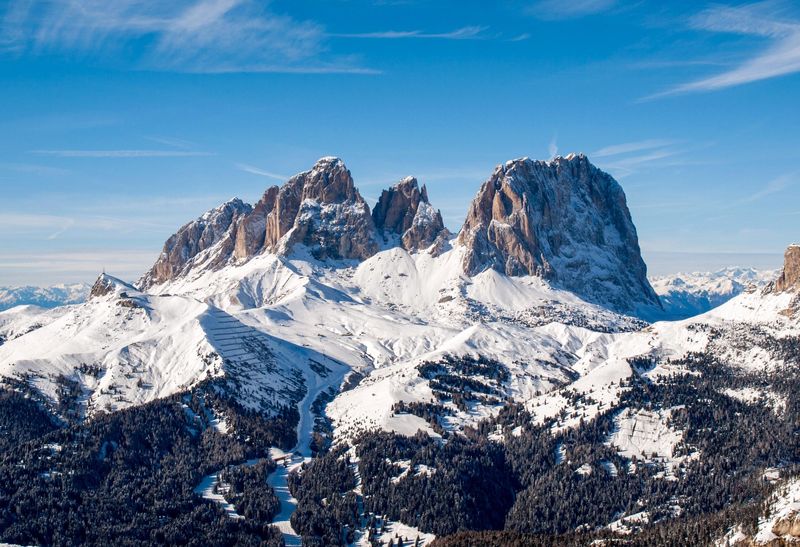
Best for: Exploring the Dolomites and the Sellaronda
Ski area: Around 181 km with Alpe di Siusi
Where to stay: Selva di Val Gardena, Ortisei or Santa Cristina
If this is your first ski holiday in the Dolomites and you want somewhere that gives you a bit of everything, Val Gardena is one of the best places to start.
You get beautiful Dolomite scenery, attractive villages, modern lifts and access to a very large amount of skiing.
Val Gardena and neighbouring Alpe di Siusi offer around 181 kilometres of pistes, with a particularly good choice for intermediate skiers.
One of its biggest advantages is direct access to the Sellaronda, the famous ski circuit around the Sella massif. From Val Gardena, you can ski into Alta Badia, Arabba and Val di Fassa and return without using a car.
There are also some memorable runs within Val Gardena itself. La Longia is a long descent from Seceda towards Ortisei, while the Saslong is one of the area's famous World Cup pistes.
Where to stay in Val Gardena
For skiing, I would choose Selva di Val Gardena. It has some of the easiest access to the Sellaronda and makes a very practical base if skiing is your main priority.
Ortisei is probably the better choice if you also want a beautiful town with restaurants, cafés and shops.
For accommodation, these are good places to look at:
Hotel Tyrol, Selva di Val Gardena: A luxury option with direct access to the ski slopes, a spa and an excellent central location. It is currently exceptionally highly rated by guests.
Stella Hotel, Selva di Val Gardena: A highly rated option in Selva with easy access to the skiing and a wellness area.
Cervinia

Best for: Reliable snow and long, wide pistes
Ski area: Around 350 km with Valtournenche and Zermatt
Where to stay: Breuil-Cervinia or Valtournenche
Cervinia is one of the Italian ski resorts I know personally and one I would particularly recommend to intermediate skiers. Plus, it is my favourite one in Italy.
Breuil-Cervinia sits at around 2,050 metres, so you are already starting your ski day at a high altitude. From there, the lifts continue towards the Swiss border and the Matterhorn.
Together with Valtournenche and Zermatt, you can access roughly 350 kilometres of pistes.
What I really like about Cervinia is how wide and long many of the runs feel. You can cover a lot of distance without constantly being pushed onto very steep or technical terrain.
And, of course, there is the Matterhorn. You see it from a very different angle on the Italian side compared with Zermatt, and when the weather is clear, the views are incredible.
Another major attraction is the possibility of skiing from Italy into Switzerland. Just remember that cross-border connections can be affected by high winds and weather, so I would never leave it too late in the afternoon to return to the Italian side.
I have a complete Cervinia ski guide as well as a video where you can see what skiing here is actually like, so I would link to both here.
Where to stay in Cervinia
Stay in Breuil-Cervinia if you want the easiest access to lifts, restaurants, ski hire and ski schools.
Valtournenche feels more like a traditional Alpine village and can be a good choice if you prefer somewhere quieter.
For accommodation in Cervinia:
Hotel Meublé Gorret: One of the strongest choices if skiing is the priority. It has ski-to-door access and receives exceptionally strong guest reviews.
Principe delle Nevi: A stylish ski-in/ski-out hotel directly beside the slopes. It is a particularly appealing choice if you want a more luxurious ski holiday without sacrificing easy piste access.
Cortina d'Ampezzo
Best for: Scenery and a luxury ski holiday
Ski area: Around 120 km
Where to stay: Cortina d'Ampezzo
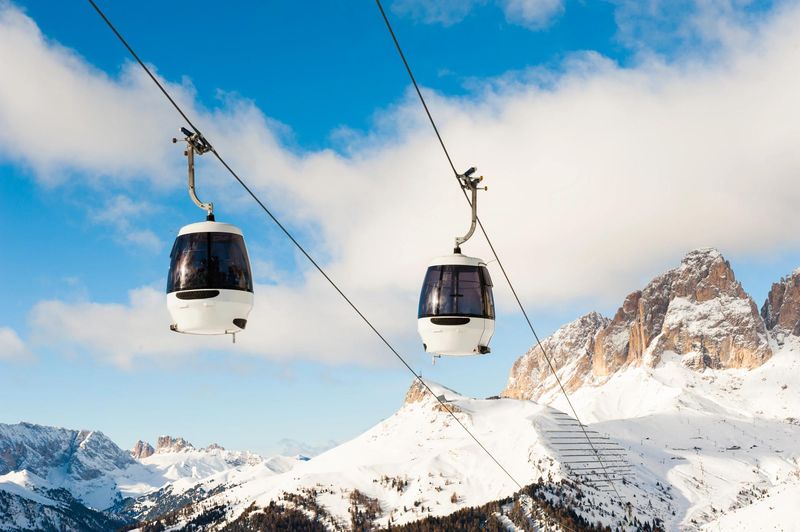
Cortina is probably the most famous ski town in Italy. It is surrounded by some of the most dramatic peaks in the Dolomites, but skiing is only one part of the experience here. The town is also known for its restaurants, shops, bars and luxury hotels.
That makes Cortina particularly good for couples or groups where not everyone wants to spend every day skiing.
The skiing is spread between several areas, including Tofana, Faloria-Cristallo and Lagazuoi-5 Torri.
That is worth knowing because Cortina does not feel like one enormous seamless ski area in the same way as some other resorts in this guide. You may use ski buses or transfers between certain sectors.
But what Cortina lacks in seamless connections, it makes up for with scenery.
This is one of those places where you sometimes need to stop halfway down a piste just to look around.
Where to stay in Cortina
I would stay near central Cortina if you want to enjoy the town as well as the skiing.
You may not have ski-in/ski-out access, but you will be able to walk to restaurants, shops and bars in the evening.
Good options in Cortina include:
Camina Suite & Spa: A highly rated boutique hotel with modern suites, mountain views and a spa.
HOTEL de LEN: A stylish hotel in central Cortina with contemporary Alpine interiors and a wellness area.
If this is a special trip or a ski holiday where hotels and restaurants matter almost as much as the pistes, Cortina is one of the strongest choices in Italy.
Alta Badia
Best for: Food and relaxed intermediate skiing
Ski area: Around 130 km locally
Where to stay: Corvara, Colfosco, San Cassiano or La Villa
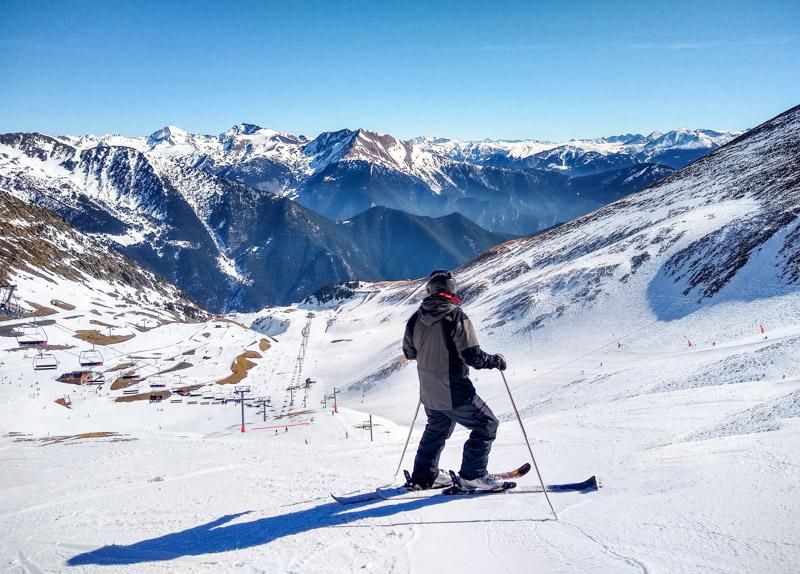
If part of your dream ski holiday involves stopping for a very good lunch halfway down the mountain, Alta Badia should be high on your list.
The area offers around 130 kilometres of local pistes and is especially good for beginner and intermediate skiers.
But you are not limited to the local slopes. Alta Badia connects directly to the Sellaronda, so stronger skiers can travel into several neighbouring Dolomite ski areas.
Food is one of the things that makes Alta Badia different. The region is famous for its mountain huts and the combination of Italian, Alpine and Ladin cuisine. You can have a relaxed bowl of pasta in one hut and a surprisingly sophisticated meal in another.
Advanced skiers should also look out for the Gran Risa in La Villa, a famous World Cup giant slalom piste.
Where to stay in Alta Badia
Corvara is probably the most convenient all-round base because of its lift connections and direct Sellaronda access.
Colfosco is quieter and has some excellent slope-side accommodation. San Cassiano is a good option if food and luxury hotels are important.
My picks for accommodation in Alta Badia are:
Hotel La Perla, Corvara: A well-known luxury hotel with a very strong reputation, convenient access to skiing and a beautiful Alpine atmosphere. It currently receives excellent guest reviews.
Kolfuschgerhof Mountain Resort, Colfosco: Another exceptionally highly rated choice, with mountain views, spa facilities and a quieter setting in Colfosco.
Livigno

Best for: Skiing, activities and après-ski
Ski area: 115 km
Where to stay: Livigno
Livigno is a good choice if you want more than skiing. The ski area has around 115 kilometres of pistes divided between the two main sides of the valley: Carosello 3000 and Mottolino.
There are runs for different abilities, but Livigno is particularly popular with intermediate skiers, snowboarders and freestyle skiers.
The altitude is another advantage. Much of the skiing is high, with slopes reaching towards 3,000 metres.
Away from the slopes, Livigno has a much livelier atmosphere than many Italian mountain resorts. There are restaurants, bars, shops, spas and plenty of winter activities.
It is also a duty-free area, which is another reason many people come here.
Where to stay in Livigno
Livigno is quite long, so always check exactly where your hotel is before booking.
Stay around Carosello 3000 if ski access is your priority.
Stay closer to Via Plan and central Livigno if restaurants, bars and shopping matter more.
Two hotels for skiing in Livigno to consider:
Hotel Sporting Family Hospitality: A strong choice for families and skiers who want to be close to the Carosello 3000 lifts.
Park Chalet Village: A highly rated option with individual Alpine-style chalets and private wellness facilities, ideal if you want something more special than a standard hotel.
Madonna di Campiglio
Best for: A stylish resort with a large connected ski area
Ski area: Around 156 km
Where to stay: Madonna di Campiglio or Pinzolo
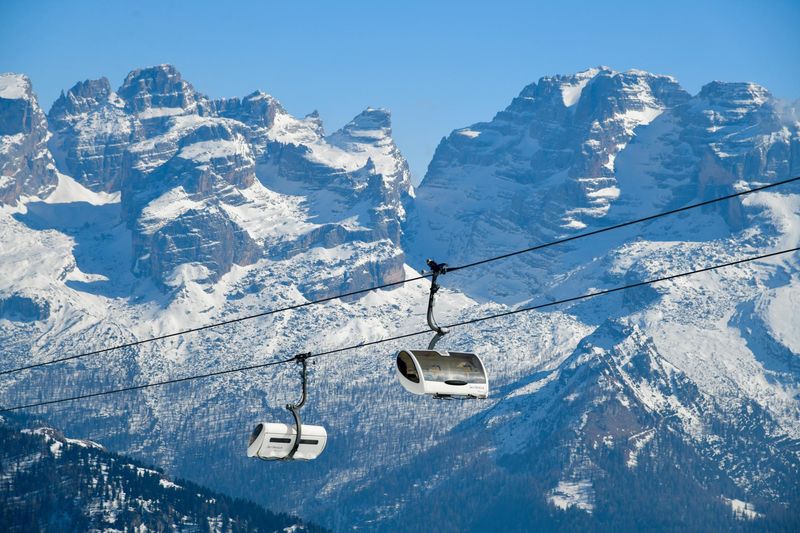
Madonna di Campiglio combines a polished mountain town with a substantial ski area. The skiing connects Madonna di Campiglio with Pinzolo and Folgarida-Marilleva, giving you around 156 kilometres of interconnected pistes.
The area works particularly well for intermediates, although there is also challenging terrain for advanced skiers.
The town itself is smart without feeling quite as glamorous as Cortina.
You will find good restaurants, bars and plenty of spa hotels, so this also works well if you want some relaxation alongside the skiing.
Where to stay in Madonna di Campiglio
For convenience, stay in Madonna di Campiglio itself. If you want somewhere quieter or potentially better value, look at Pinzolo, which is connected into the ski domain.
My accommodation picks would be:
Hotel Spinale: One of the best choices for ski access. It is beside the Spinale gondola, and recent guests specifically praise how easy it is to leave the ski room and get straight onto the lifts.
Hotel Dahu: Another very highly rated option with excellent access to the skiing and strong reviews.
Sestriere and the Via Lattea
Best for: A huge ski area
Ski area: Around 400 km
Where to stay: Sestriere, Sauze d'Oulx or Claviere
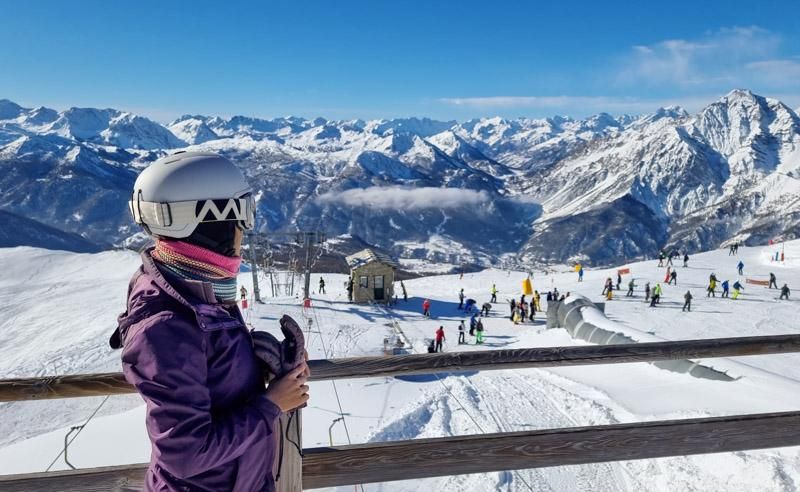
If you like covering lots of ground when you ski, the Via Lattea is one of the best ski areas in Italy.
Also known as the Milky Way, it stretches across several Italian resorts and into Montgenèvre in France.
There are roughly 400 kilometres of pistes and around 300 runs across the wider area.I have skied here a few times and used Sestriere as my base.
Sestriere sits at around 2,035 metres, giving it good access to high-altitude skiing. There is plenty of terrain around Sestriere itself, but you can also ski towards Sauze d'Oulx, Sansicario, Claviere and eventually France.
One thing I would say from experience is that this is a ski area where planning your day matters.
It is huge. If you ski a long way from your accommodation, start heading back with plenty of time. Lift links can also be affected by weather.
I have a complete guide to skiing in Sestriere and the Via Lattea, as well as a video, which I would link here.
Where to stay in the Via Lattea
Stay in Sestriere for altitude and easy access to the central part of the ski area. Sauze d'Oulx has more character and a livelier après-ski scene. Claviere is smaller and puts you close to the French border.
Here are some top places to stay in the Milky Way:
Chaberton Lodge & Spa in Sauze d’Oulx: A stylish mountain retreat with spa facilities, perfect for relaxing after a long day on the slopes.
Hotel Hermitage in Sestri: Located near the slopes, this hotel offers cosy Alpine-style accommodation and great access to Sestriere's run
Courmayeur
Best for: A romantic or sophisticated ski break
Ski area: Around 42 km of marked pistes
Where to stay: Courmayeur or Entrèves
Courmayeur is quite different from Cervinia, despite both being in the Aosta Valley.
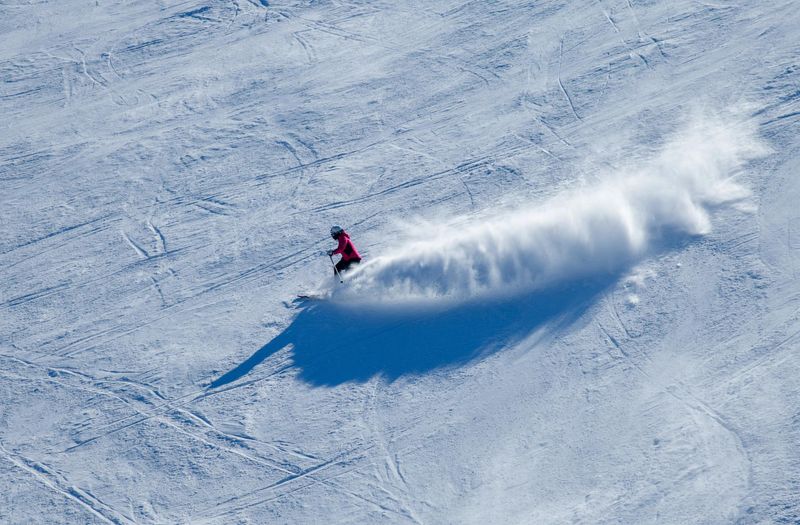
It does not have a huge piste network. What it does have is atmosphere.
Courmayeur sits beneath Mont Blanc and has one of the most attractive ski towns in the Italian Alps, with restaurants, wine bars, cafés and boutiques.
The marked ski area is relatively compact, with slopes spread across the Chécrouit and Val Veny sectors.
There is also a lot of serious off-piste terrain around Mont Blanc, but this is not something to attempt without the correct equipment and a qualified mountain guide.
For me, Courmayeur makes the most sense for couples, confident skiers and people planning a shorter mountain break where food, scenery and the town itself are part of the holiday.
Where to stay in Courmayeur
Choose central Courmayeur if you want to walk to restaurants and bars.
Stay in Entrèves for a quieter atmosphere and easy access to Skyway Monte Bianco and the Val Veny side.
Two good choices are:
Villa Novecento Romantic Hotel: A very highly rated hotel that works particularly well for couples and currently has more than a thousand guest reviews.
Grand Hotel Courmayeur Mont Blanc: A luxury choice with a spa and excellent mountain views. It also receives strong guest reviews.
Kronplatz

Best for: Groomed pistes and modern lifts
Ski area: Around 125 km
Where to stay: San Vigilio, Olang or Brunico
Kronplatz, also known as Plan de Corones, is an excellent choice if you like wide, beautifully groomed pistes.
The ski area is built around one large mountain, with runs descending in several directions from the summit.
That makes it relatively easy to navigate. There are approximately 125 kilometres of pistes, with a particularly strong selection for intermediate skiers.
Advanced skiers can tackle the collection known as the Black Five, while beginners have gentler areas lower down.
Kronplatz also feels very modern. The lift system is efficient, and the mountain has good facilities and restaurants.
Where to stay at Kronplatz
San Vigilio di Marebbe is probably my choice if you want the atmosphere of a traditional ski village. Olang works particularly well for families.
You can also stay in Brunico, a proper historic town, and travel to the lifts.
For accommodation in Kronplatz:
Falkensteiner Hotel Kronplatz: One of the standout luxury hotels in the area, with extensive spa facilities and a location close to the lifts at Riscone. It receives exceptional guest reviews.
Hotel Olangerhof: A very highly rated mountain hotel and a strong option if skiing and mountain access are the priority.
Val di Fassa
Best for: Exploring the Sellaronda
Ski area: Around 200 km across the valley
Where to stay: Canazei, Campitello, Pozza di Fassa or Moena
Val di Fassa is slightly confusing if you have never visited the Dolomites because it is not one single ski resort. It is a valley containing several villages and different ski sectors.
For most skiers wanting access to the Sellaronda, I would look at Canazei or Campitello di Fassa.
From these villages, you can access the Belvedere and Col Rodella areas and ski towards neighbouring parts of the Dolomiti Superski network.
Other areas such as Buffaure-Ciampac give you the option of escaping some of the busiest Sellaronda routes.
This is another destination particularly well suited to intermediate skiers who like exploring rather than repeating the same few pistes.
Where to stay in Val di Fassa
Stay in Canazei if you want restaurants, atmosphere and convenient Sellaronda access.
Campitello is slightly quieter but also gives you excellent access through the Col Rodella lift.
Good accommodation options include:
Chalet Vites Mountain Hotel, Alba di Canazei: A highly rated hotel around 150 metres from the Alba-Col dei Rossi lift, making it a particularly convenient choice for skiers.
X Alp Hotel: Another exceptionally highly rated property in Val di Fassa and a good choice if you value modern interiors and a strong reputation with guests.
Bormio
Best for: Skiing and thermal spas
Ski area: Around 50 km
Where to stay: Bormio
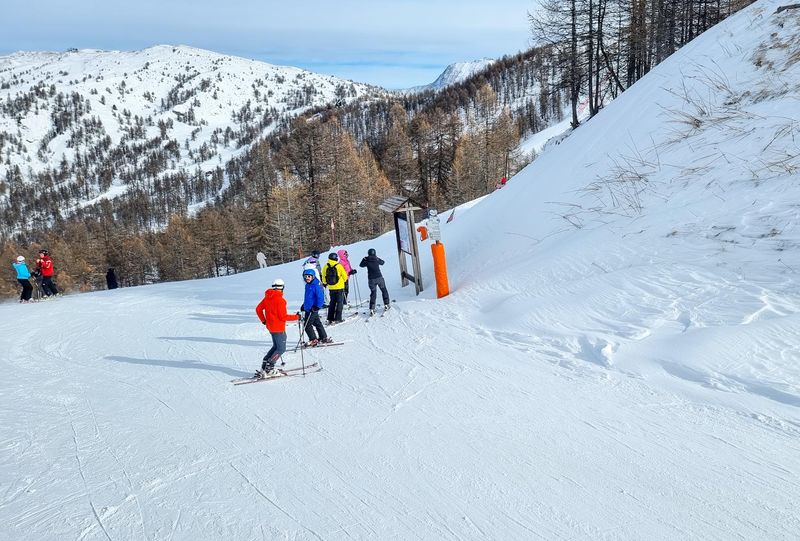
Bormio does not have the biggest ski area on this list, but it has something many resorts cannot offer: a massive vertical descent.
The ski area stretches from roughly 1,200 metres to more than 3,000 metres.
That means you can ski all the way from high Alpine terrain towards the town in one very long descent. Bormio is particularly good for confident skiers.
Its famous Stelvio piste is used for major downhill racing and is considered one of the more demanding race pistes in the Alps.
But skiing is only half the reason I would come here. Bormio has been known for its thermal water for centuries, so you can finish your ski day in one of the area's spas.
That combination makes Bormio particularly appealing for couples or anyone who wants an active holiday without skiing from first lift to last lift every single day.
Where to stay in Bormio
Stay near the Bormio 2000 gondola if skiing is the priority. Stay closer to the historic centre if you want restaurants and more atmosphere in the evening.
Two useful choices:
Hotel Nevada: Located next to the Bormio 2000 cable car, making this one of the most convenient options if you want to get onto the slopes quickly.
Hotel Baita Dei Pini: A highly rated hotel within easy walking distance of the historic centre, ski lifts and thermal facilities.
Monterosa Ski
Best for: Advanced skiers and quieter slopes
Ski area: Around 130 km
Where to stay: Champoluc, Gressoney-La-Trinité or Alagna
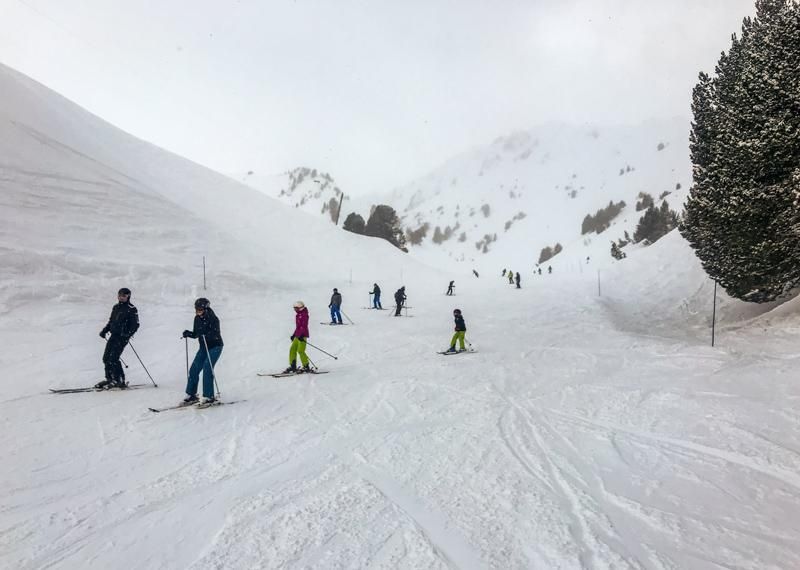
Monterosa Ski links three valleys beneath the Monte Rosa massif. The principal villages are Champoluc, Gressoney-La-Trinité and Alagna.
Compared with destinations such as Cervinia or parts of the Dolomites, Monterosa generally has a quieter and more adventurous feel.
There are plenty of long red pistes for strong intermediate skiers, but the area has an especially strong reputation for freeriding.
Alagna in particular attracts experienced off-piste skiers. If that is why you are coming here, use a qualified local mountain guide. The freeride terrain extends far beyond controlled pistes, and conditions can change quickly.
Where to stay in Monterosa
Champoluc has the biggest selection of restaurants, shops and hotels.
Gressoney-La-Trinité sits roughly in the middle of the interconnected area, which makes it a practical base if skiing the whole domain is your priority. Alagna is ideal for experienced freeriders.
For accommodation:
Au Charmant Petit Lac, Champoluc: A stylish eco hotel and spa that receives excellent guest reviews.
Aethos Hotel Monterosa: A highly rated luxury option located between Champoluc and Frachey, giving you access to lifts in both directions.
La Thuile
Best for: Quieter cross-border skiing
Ski area: Around 150 km with La Rosière
Where to stay: La Thuile
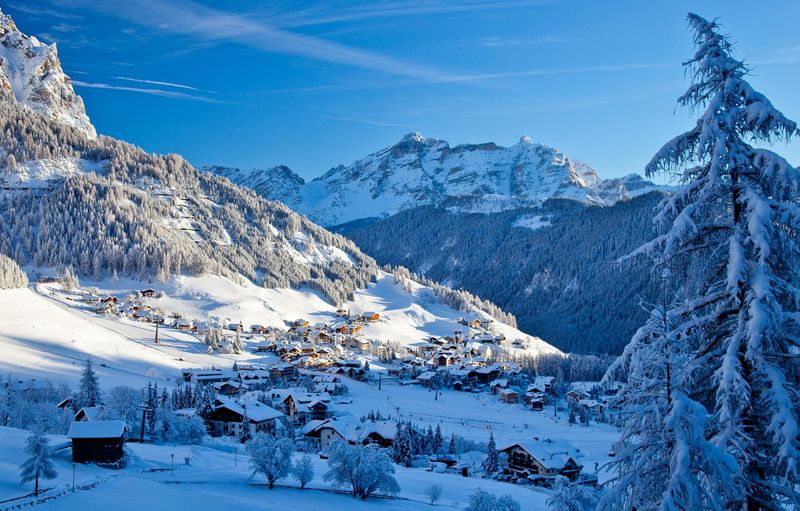
La Thuile is one of the more underrated ski resorts in the Aosta Valley. It connects with La Rosière in France, creating the international Espace San Bernardo ski area.
That means you can ski from Italy into France and back again during the same day.
The two sides feel quite different. The Italian side has more tree-lined and challenging pistes, while La Rosière generally offers more open, sunny terrain.
La Thuile also tends to feel quieter than nearby Courmayeur and Cervinia.
One thing to remember with any cross-border ski area is that high winds can close the international connection, so do not assume you will necessarily be able to ski into France every day.
Where to stay in La Thuile
La Thuile itself is fairly compact, so staying close to the lifts makes the most sense.
Chalet Eden Eco Hotel: A highly rated hotel around 200 metres from the cable car, making it an excellent compromise between ski access and a comfortable hotel.
Hotel Letterario Locanda Collomb: One of the highest-rated hotels in La Thuile, particularly good if you want somewhere smaller and full of character.
Passo Tonale and Ponte di Legno

Best for: Beginners and snow reliability
Ski area: Around 100 km
Where to stay: Passo Tonale or Ponte di Legno
If you are learning to ski, Passo Tonale is one of the easiest resorts on this list to recommend. Many of the beginner slopes sit directly opposite the hotels along the pass.
You do not have to take several lifts just to reach your ski lesson, and that makes a surprisingly big difference when you are starting. The ski area also reaches towards the Presena Glacier, giving Passo Tonale good altitude.
More experienced skiers can ski towards Ponte di Legno, where the terrain becomes more varied and tree-lined.
The two bases also feel very different. Passo Tonale is purpose-built and convenient. Ponte di Legno is a much prettier and more traditional mountain town.
Where to stay in Passo Tonale
Stay in Passo Tonale for easy access to beginner slopes and higher-altitude skiing.
Choose Ponte di Legno if restaurants and atmosphere matter more to you.
Accommodation options For Passo Tonale:
Hotel Presena: Only around 50 metres from the nearest ski slopes and right in the centre of Passo Tonale, making this a very convenient choice for skiing.
Hotel Bezzi: A good option towards the Presena side of the resort, with strong guest feedback for its location, mountain setting and breakfast.
Pila
Best for: A smaller, quieter ski holiday
Ski area: Around 70 km
Where to stay: Pila or Aosta
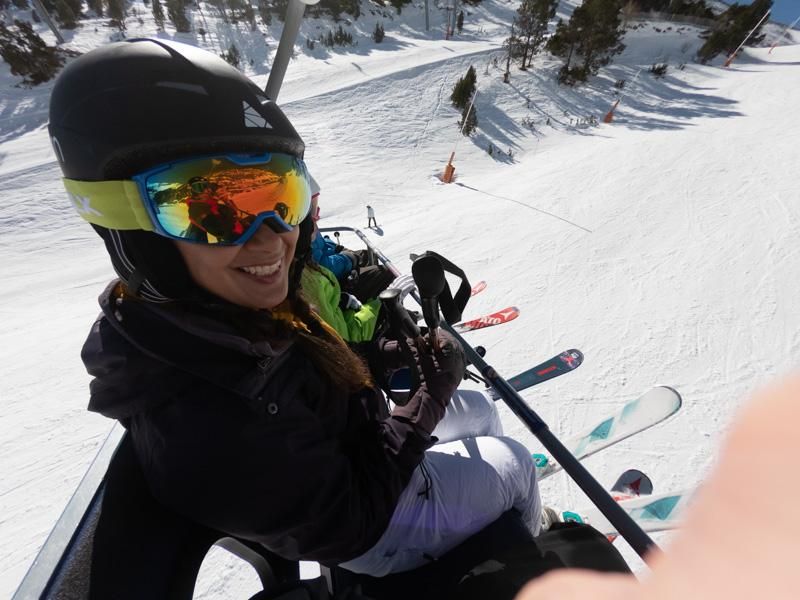
Pila might not have the international reputation of Cervinia or Cortina, but that is partly why I like it. I have skied here, and I think it is a great option if you want good skiing without needing an enormous resort.
Pila has around 70 kilometres of pistes and is particularly good for intermediates. Most importantly, it is incredibly easy to combine skiing with a stay in Aosta.
The gondola leaves from the edge of the city and takes you directly up to Pila. That means you have two very different options.
You can stay on the mountain and wake up close to the slopes, or stay in Aosta and spend your evenings in a proper historic Italian town.
On clear days, the views from Pila are also beautiful. You can see several of the highest mountains in the Alps.
Where to stay in Pila
If skiing is your priority, stay in *Pila itself. If you want restaurants, shops and things to do in the evenings, I would seriously consider Aosta.
For slope acces best places to stay in Pila are:
Hotel Della Nouva: This is one of the most interesting choices for skiers. It receives excellent guest reviews and has direct piste access.
Chambres D'Hotes Les Fleurs: Another highly rated choice with ski-to-door access and mountain views.
If you prefer to stay in Aosta:
Duca D'Aosta Hotel: A stylish hotel right in the historic centre. It has an excellent location rating and puts you close to Aosta's restaurants and sights.
Which Italian Ski Resort Is Best for Beginners?


If you are learning to ski, I would look first at Passo Tonale. The layout is convenient, with several gentle pistes directly beside the main resort area, so getting to ski school is relatively easy.
Alta Badia and Kronplatz also have excellent beginner terrain. Cervinia can work well once you are progressing beyond the very first stages because there are lots of long, wide pistes that are good for building confidence.
If you are learning to ski as an adult, I also have a separate guide about learning to ski as an adult, including things I wish I had known when I started.
Which Italian Ski Resort Is Best for Intermediate Skiers?

This is where Italy really shines. If you are comfortable on blue and red runs, you have a huge amount of choice.
I would particularly look at:
Val Gardena
Cervinia
Alta Badia
Livigno
Kronplatz
Val di Fassa
Sestriere and the Via Lattea
Pila
Cervinia is especially good if you enjoy long, wide pistes. If you prefer exploring a huge area, the Via Lattea or the Sellaronda resorts make more sense.
Which Italian Ski Resort Is Best for Advanced Skiers?
For difficult marked pistes and more adventurous terrain, consider Monterosa Ski, Bormio, La Thuile and Courmayeur.
The Via Lattea also has plenty of challenging terrain simply because of its size.
If you plan to ski off-piste anywhere in the Alps, do not treat it as an extension of the marked ski area. Avalanche risk, glaciers and hidden terrain hazards make a qualified mountain guide and appropriate safety equipment essential.
Which Italian Ski Resorts Have the Most Reliable Snow?
Altitude makes a significant difference, particularly at the beginning and end of the ski season.
For higher-altitude skiing, I would look at Cervinia, Livigno, Sestriere, and Passo Tonale.
Cervinia is particularly strong because the resort village itself sits above 2,000 metres and the skiing continues much higher towards Zermatt.
That does not mean any resort can guarantee perfect snow, so always check current conditions before travelling.
When Is the Best Time to Ski in Italy?
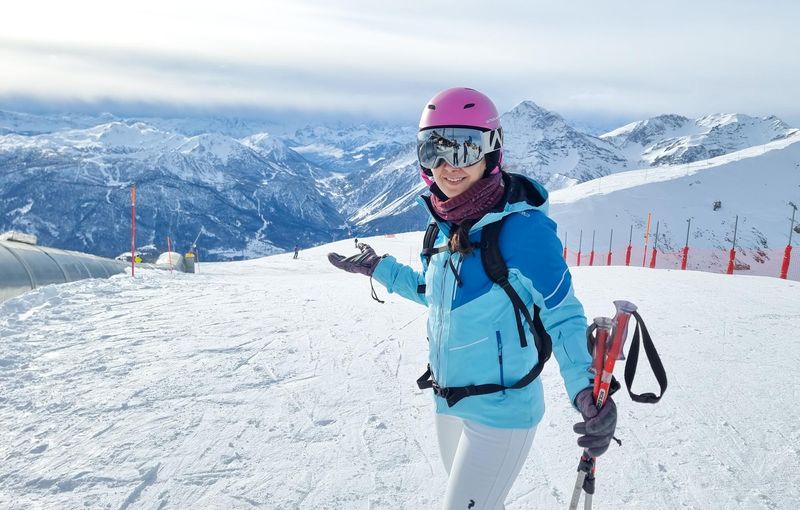
The main Italian ski season normally runs from December into April, although exact opening and closing dates depend on snow, altitude and individual resorts.
January can be a good month if you prefer colder conditions and fewer people after the New Year period.
February tends to be busier because of school holidays across Europe.
Personally, I also like skiing in March. The days are longer, there is often more sunshine, and high-altitude resorts can still have very good conditions.
If you are travelling very early or late in the season, I would favour one of the higher resorts such as Cervinia, Livigno, Sestriere or Passo Tonale.
Is Skiing in Italy Cheaper Than France or Switzerland?

Italy can offer very good value compared with some of the most famous ski resorts in France and Switzerland, particularly when it comes to eating and drinking on the mountain.
That does not mean every Italian resort is cheap. Cortina, Courmayeur and some of the luxury resorts in the Dolomites can be expensive.
If budget is important, look beyond the most famous names. Pila, Passo Tonale and some of the smaller villages within the Via Lattea can offer better value, particularly if you book outside the busiest school holiday weeks.
Best Ski Resorts Near Milan
If you are flying into Milan, you have several ski areas within reach.
Depending on how far you are prepared to travel, options include: Pila, Cervinia, Courmayeur, La Thuile, Bormio, Sestriere and the Via Lattea
But they are not all equally convenient for a short trip.
I have a separate guide to the best ski resorts near Milan, where I compare the resorts that make the most sense if Milan is your arrival point.
Final Thoughts on the Best Ski Resorts in Italy

After skiing in Italy for years, I do not think there is one Italian ski resort that is best for everyone. It depends entirely on what you want from your trip.
If I wanted long, wide pistes and reliable snow, I would choose Cervinia. For a huge ski area, I would consider Sestriere and the Via Lattea.
For scenery and exploring the Dolomites, Val Gardena would be very high on my list.
If I wanted a smaller and quieter ski break, I would happily return to Pila. And if the holiday was as much about food, spas and beautiful hotels as skiing, I would look at places such as Alta Badia, Bormio or Courmayeur.
That is what I like about skiing in Italy. You do not have to have the same ski holiday every time you come back.