

Tashkent might not have the famous blue-tiled monuments of Samarkand or the old streets of Bukhara, but Uzbekistan's capital is definitely worth exploring.
In fact, I think Tashkent is one of the most overlooked stops on an Uzbekistan itinerary.
A lot of travellers fly into Tashkent and immediately continue to Samarkand, Bukhara or Khiva. I can understand why. If you only have a week in Uzbekistan, you probably want to spend as much time as possible exploring the famous Silk Road cities. But if you have an extra day or two, I recommend staying and seeing what Tashkent has to offer.
Tashkent feels very different from the historical cities elsewhere in Uzbekistan. It is a modern capital with wide boulevards, large parks, Soviet architecture, shopping malls and restaurants, but you will also find traditional bazaars, mosques and parts of the old city.
We actually visited Tashkent twice during our trip. We stayed there when we first arrived in Uzbekistan before flying to Khiva. Then, after travelling through the historical cities and spending time at a yurt camp, we returned to Tashkent for a couple more days before flying home.
In this Tashkent travel guide, I am sharing the best things to do in Tashkent, where to eat and some practical tips based on our own experience.
Download my free packing checklist
This post contains affiliate links, and if you click one, I may receive a small commission at no extra cost to you.
Is Tashkent Worth Visiting?
Yes, I think Tashkent is worth visiting, especially if you have at least one or two extra days in Uzbekistan. Don't come expecting another Samarkand.
Tashkent is much more modern, and there is a reason for that. A major earthquake struck the city in 1966, destroying thousands of homes and leaving more than 300,000 people without housing. Much of Tashkent was subsequently rebuilt during the Soviet period.
That history explains some of the wide avenues, large apartment blocks and Soviet-style architecture you see around the city today.
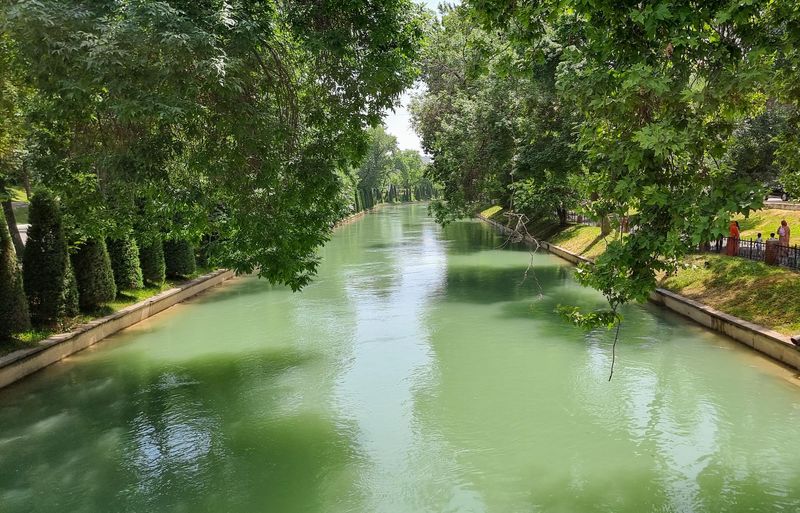
At the same time, Tashkent is surprisingly green. There are parks, gardens, fountains and tree-lined streets throughout the city, and we found plenty of places where locals simply came to sit, read or escape the heat.
For me, Tashkent complements the historical cities rather than competing with them.
Where to Stay in Tashkent
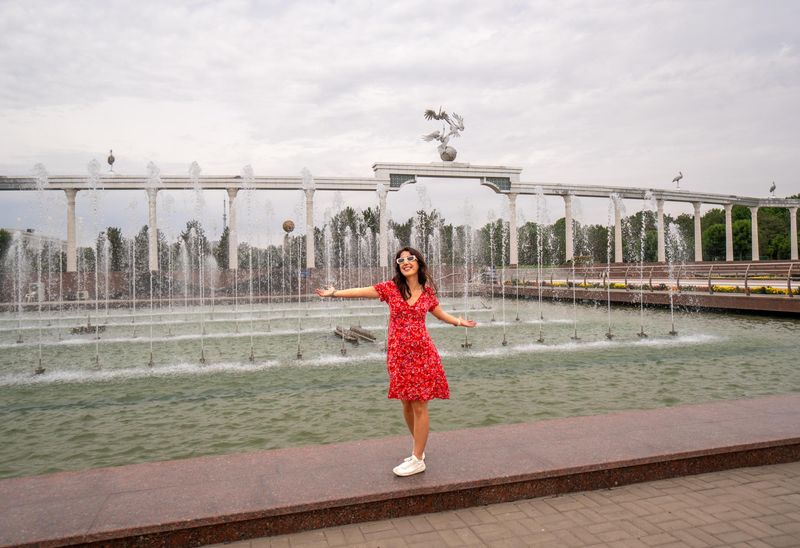
Tashkent is a much bigger city than Samarkand, Bukhara or Khiva, so choosing the right location can save you quite a bit of time.
For a first visit, I recommend staying somewhere around Amir Timur Square and central Tashkent. You will be close to Sayilgoh Street, parks, restaurants and cafés, and you can easily use Yandex to reach Chorsu Bazaar, Hazrati Imam and other attractions.
If you prefer somewhere with more local character, you can also stay closer to Chorsu Bazaar and the Old City. You will be near the bazaar and Hazrati Imam Complex, although this part of Tashkent is quieter in the evening.
A few good options to consider are:
Hyatt Regency Tashkent: A great choice if you are looking for a luxury hotel in a very central location. It is close to Amir Timur Square and works particularly well if you only have a couple of days in Tashkent and want to minimise travelling around the city.
Wyndham Tashkent: A more affordable central option near Amir Timur Square. It has a swimming pool and spa and is conveniently located for sightseeing.
Ichan Qala Premium Class Hotel: One of the more interesting choices if you don't want to stay in a typical international hotel. The property takes inspiration from traditional Uzbek architecture and has both indoor and outdoor swimming pools.
Best Things to Do in Tashkent
1. Visit Independence Square
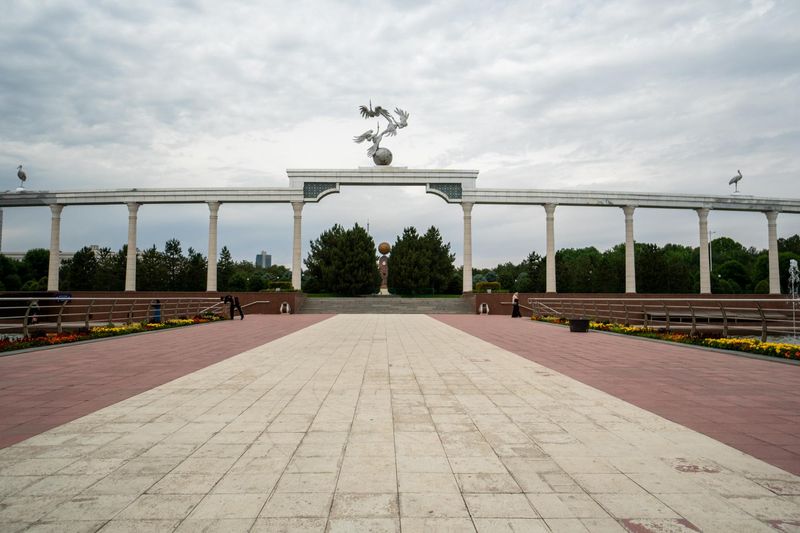
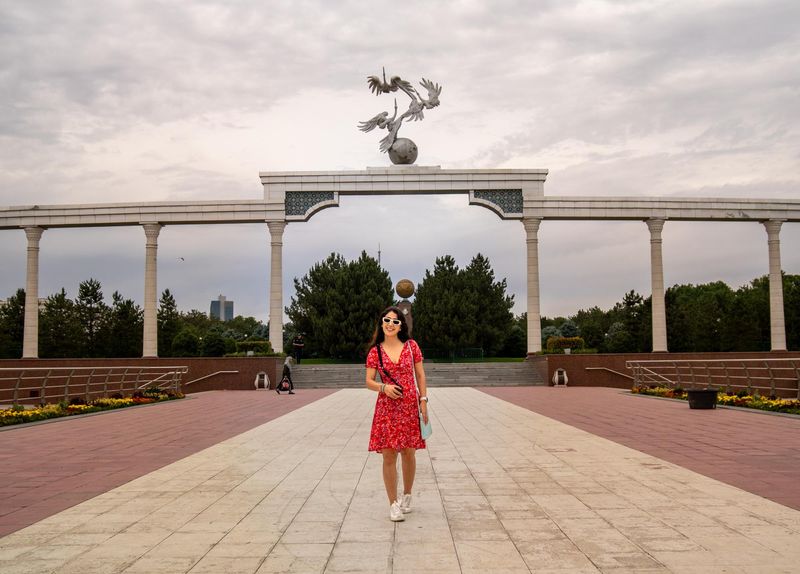
One of the best places to start exploring Tashkent is Independence Square, or Mustaqillik Maydoni.
This is one of the main ceremonial and political areas of the capital, surrounded by important state and government buildings. Don't expect a small European-style city square. The whole area is huge, with gardens, pathways, trees and fountains.
We noticed quite a lot of security and police around the square because of the government buildings nearby, but the public areas themselves felt relaxed.
There were people walking through the gardens and sitting beneath the trees, and the fountains make this part of Tashkent particularly pleasant during warmer weather.
2. See the Monument to the Grieving Mother
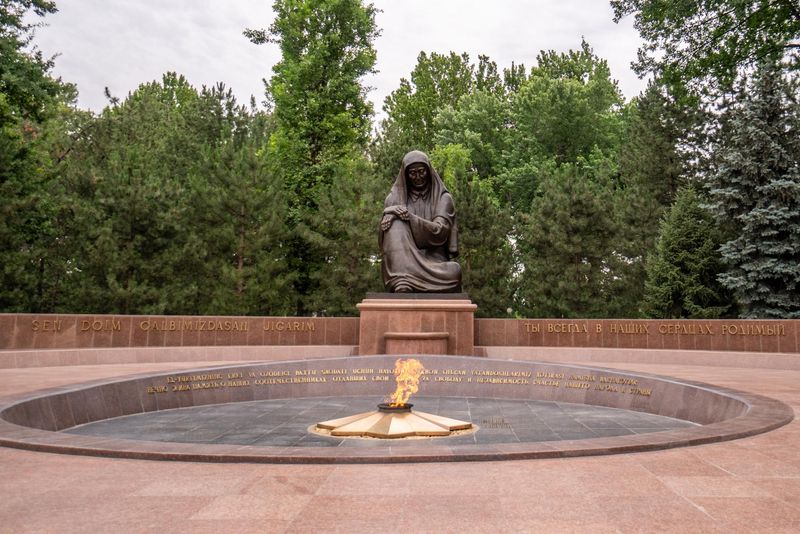
While you are around Independence Square, walk over to the Monument to the Grieving Mother, sometimes referred to as the Crying Mother Monument.
The memorial is dedicated to those from Uzbekistan who lost their lives during the Second World War.
The statue depicts a mother mourning the loss of her child, and an eternal flame burns nearby in remembrance of those who died.
It is a much quieter and more reflective place than some of Tashkent's other attractions and is worth including while you are exploring this part of the city.
3. Explore Amir Timur Square
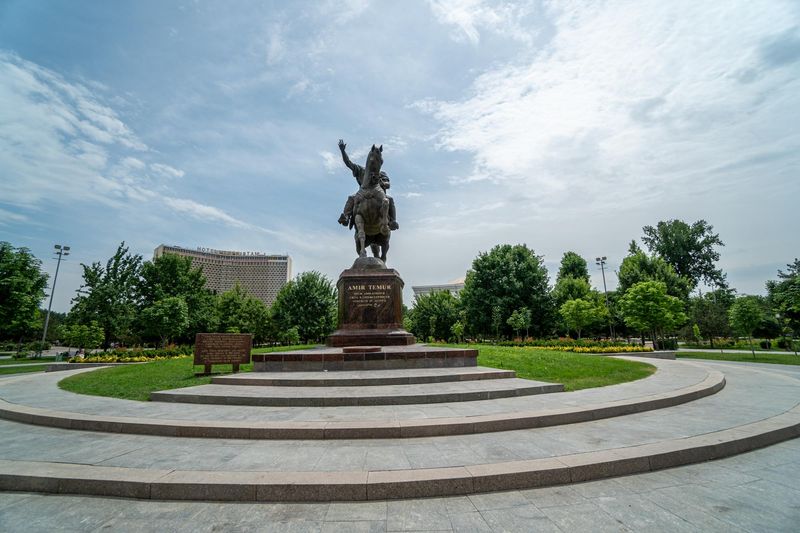
Another important landmark in central Tashkent is Amir Timur Square. At its centre is a large statue of Amir Timur, or Tamerlane, sitting on horseback.
By the time we reached Tashkent, we had already travelled through Samarkand and visited the Gur-e-Amir Mausoleum, where Timur is buried. That gave this square a little more meaning for us.
Amir Timur created an enormous empire across Central Asia, Persia and beyond during the 14th century, with Samarkand as his capital.
He wanted to transform Samarkand into one of the greatest cities in the world, bringing architects and craftsmen from across his empire to work there. Looking at monuments such as Registan and Gur-e-Amir today, you can still see the architectural legacy of the Timurid period.
Tashkent's Amir Timur Square is much more modern. The statue is surrounded by grand buildings, gardens and wide avenues.
It is also a popular place for locals to relax, particularly beneath the trees when the weather gets hot.
4. Walk Along Sayilgoh Street; Tashkent's Broadway
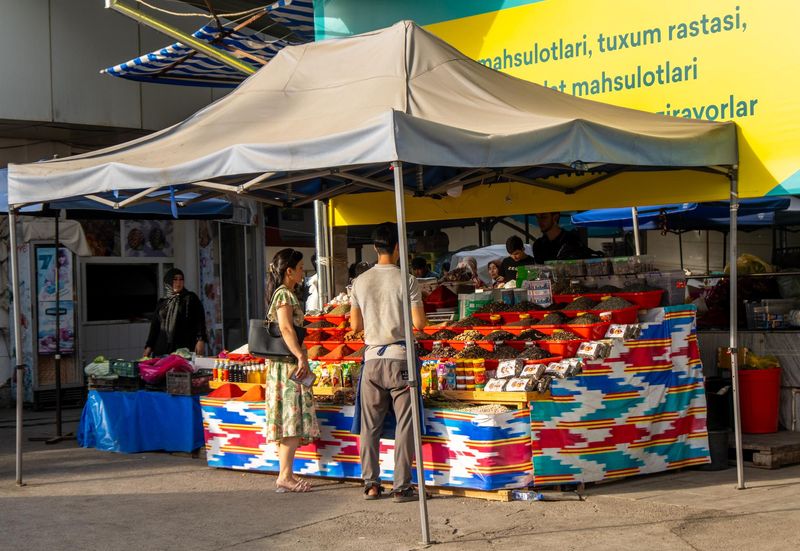
From Amir Timur Square, walk towards Sayilgoh Street, commonly known as Broadway. This pedestrian street was somewhere we discovered almost by chance.
It is lined with trees, fountains, cafés and stalls, and there is usually much more going on as you walk further along.
You can find street food here too, which gave us the opportunity to try a few snacks without spending very much.
One of the things I tried was piroshki, a fried dough snack with different fillings. We have something quite similar in Iran, so the taste immediately reminded me of my childhood.
Sayilgoh has a relaxed atmosphere during the day but becomes livelier towards the evening, so it is a nice area to return to after sightseeing.
5. Try Manti
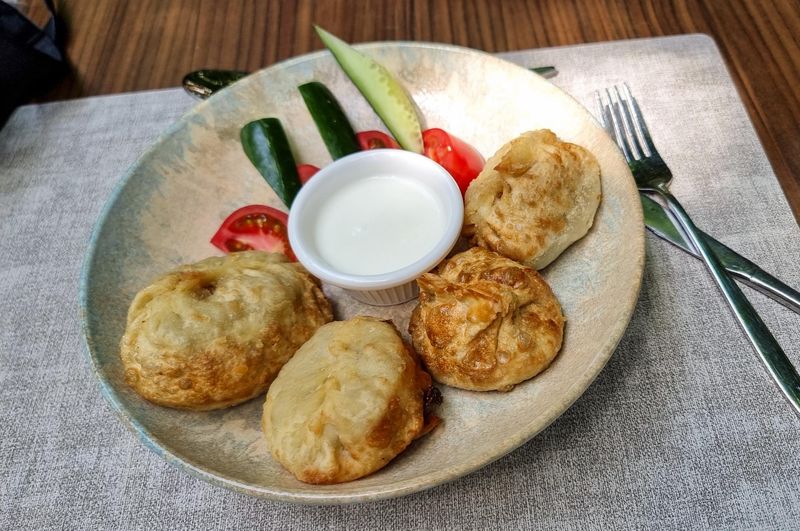
You can't write a Tashkent travel guide without talking about Uzbek food. Our first proper meal after arriving in Uzbekistan was manti.
These large steamed dumplings are generally filled with meat and onion, although you can find different variations.
We had tried similar dumplings in Georgia and Armenia before travelling to Uzbekistan, but Uzbek manti became one of the foods we ate several times during this trip.
We tried manti in different parts of the country, and two stood out.
One was the manti we ate in Tashkent at the beginning of the trip. The other, and probably our favourite, was at our yurt camp, where we actually had the opportunity to help make it ourselves.
If this is your first trip to Uzbekistan, manti is definitely one of the dishes to add to your list.
6. Visit Seoul Mun
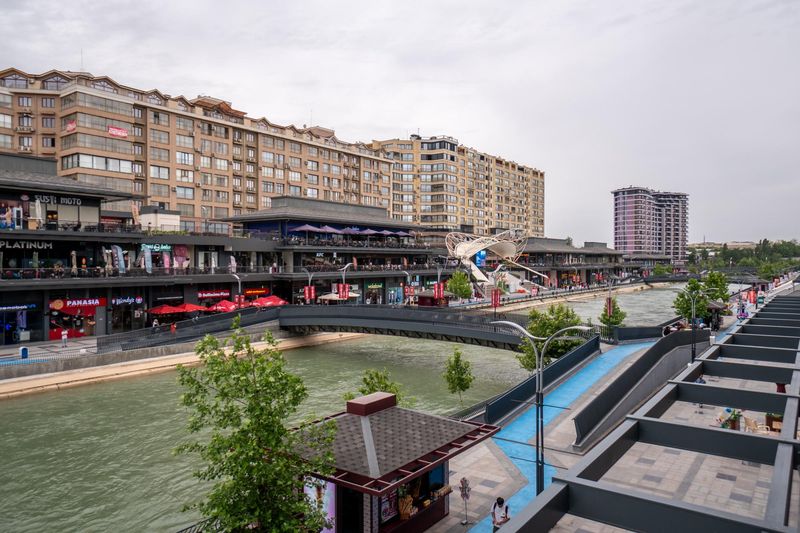
For something completely different, head to Seoul Mun. This modern entertainment and dining area has a Korean-inspired design and feels very different from Tashkent's historic sights.
There are colourful buildings, restaurants, cafés and places to sit, and it becomes much busier after sunset.
We visited during the day when it was relatively quiet, but we had been there on another evening without our cameras and the atmosphere was completely different.
There are lots of places to eat around Seoul Mun, although we noticed that many of the options were fast food.
We don't eat much fast food, so we mainly came here to walk around rather than have dinner. Tashkent has plenty of excellent restaurants elsewhere in the city if you want traditional Uzbek food or a proper sit-down meal.
I wouldn't put Seoul Mun at the top of your list if you only have a few hours in Tashkent, but if you have two days, it is an interesting place to see the more modern side of the city.
7. Explore Chorsu Bazaar
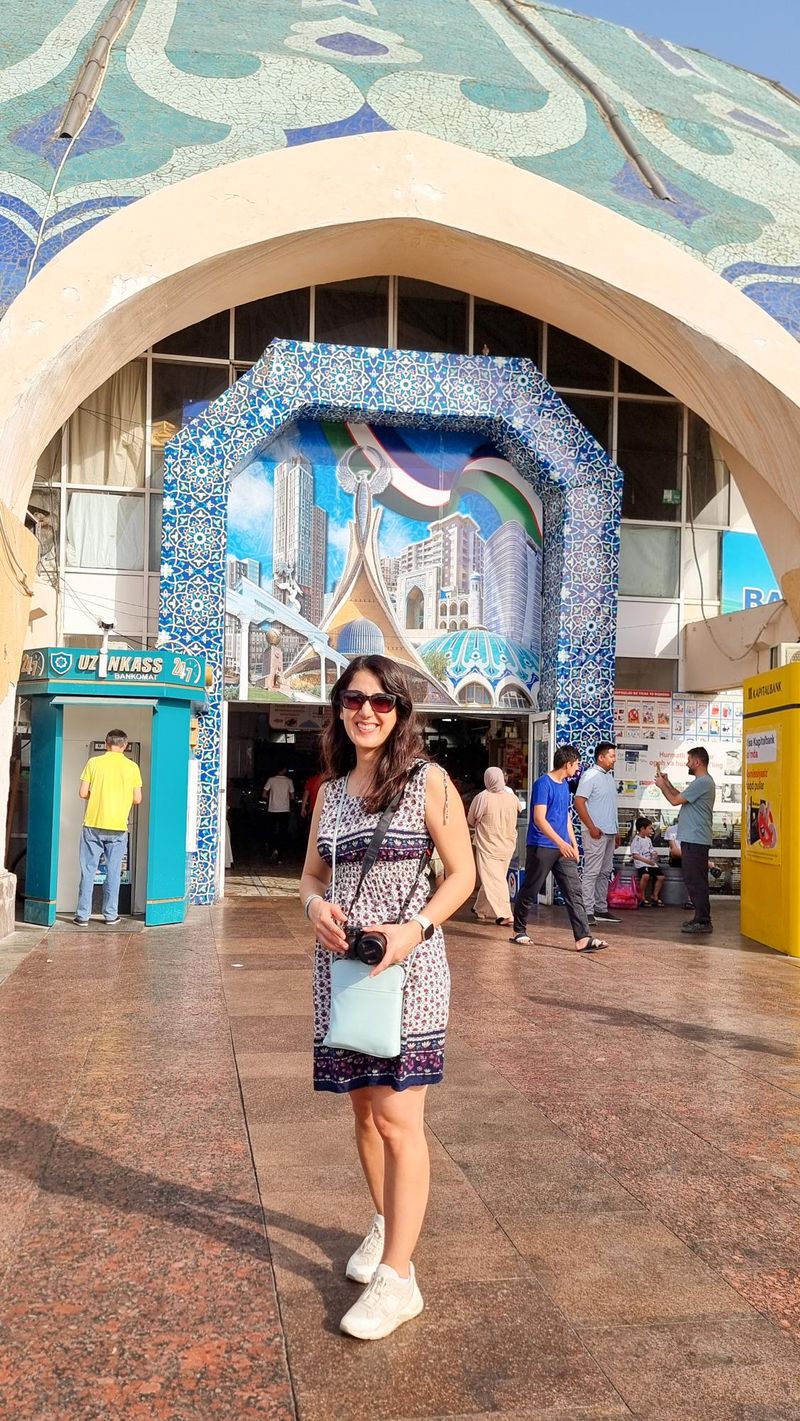
Despite all the modern shopping malls in Tashkent, traditional bazaar culture is still very much alive. And the most famous place to experience it is Chorsu Bazaar.
Chorsu is not simply a market created for tourists. Locals genuinely come here to shop for meat, vegetables, fruit, spices, bread, clothes and everyday products.
Markets have existed in this part of Tashkent for centuries. Chorsu developed around the intersection of important trading streets connected with the Silk Road, and the market remains one of the best places to experience everyday life in the city.
The enormous blue-domed building has become one of Tashkent's most recognisable landmarks. We spent quite a while wandering around, talking to vendors and trying different things.
I bought white mulberries because they are something I rarely find fresh in the UK. We were visiting during the right season, so I couldn't resist them.
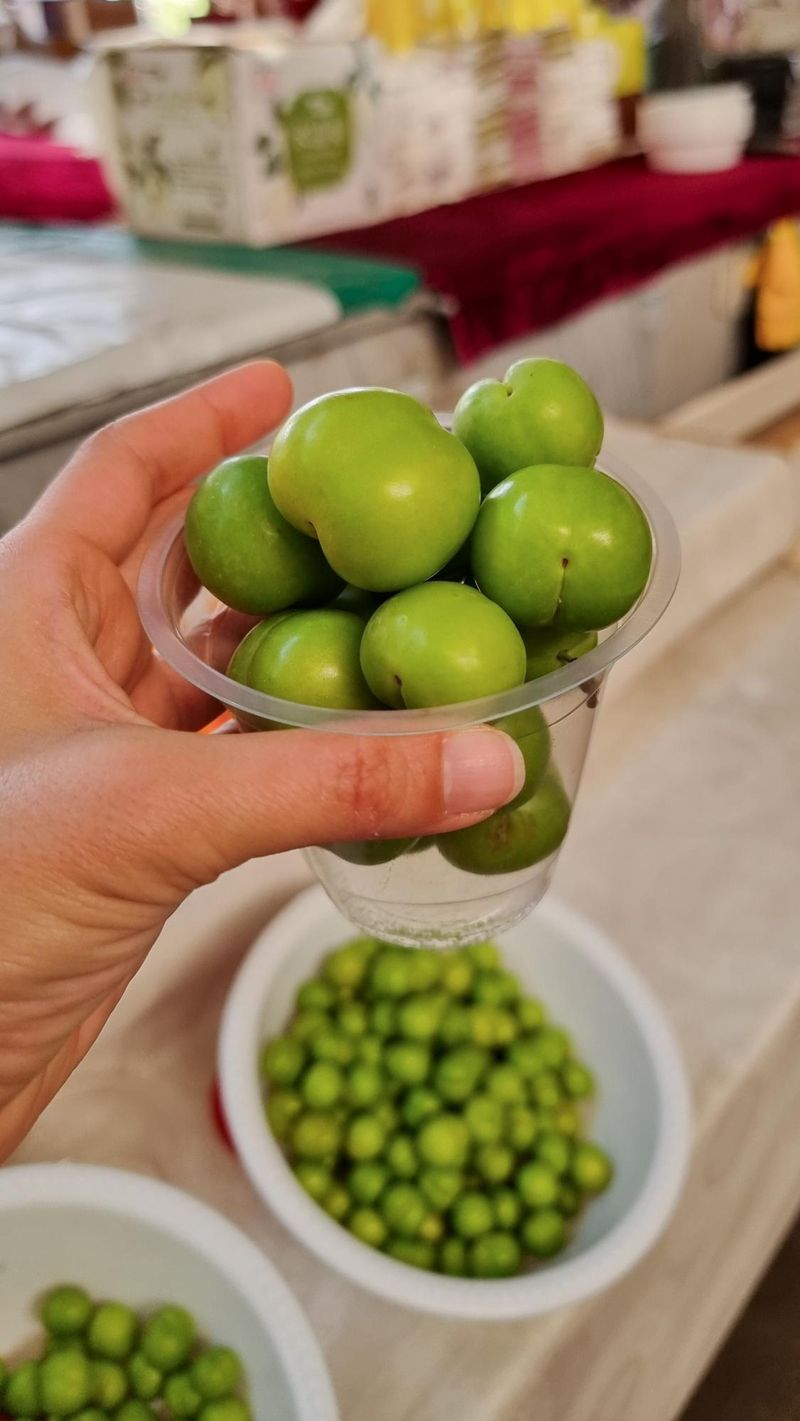
I also found gojeh sabz, the small sour green plums we eat in Iran with salt. Finding them here was another reminder of the cultural and culinary connections across this part of the world.
One of my favourite moments came when a vendor suddenly started speaking Persian with me.
You are less likely to hear Persian in Tashkent, but when travelling through Samarkand and Bukhara you will hear Tajik, which is closely related to Persian, spoken much more widely.
Chorsu is also a good place to look for souvenirs, traditional clothing, ceramics and handicrafts.
8. Visit Hazrati Imam Complex
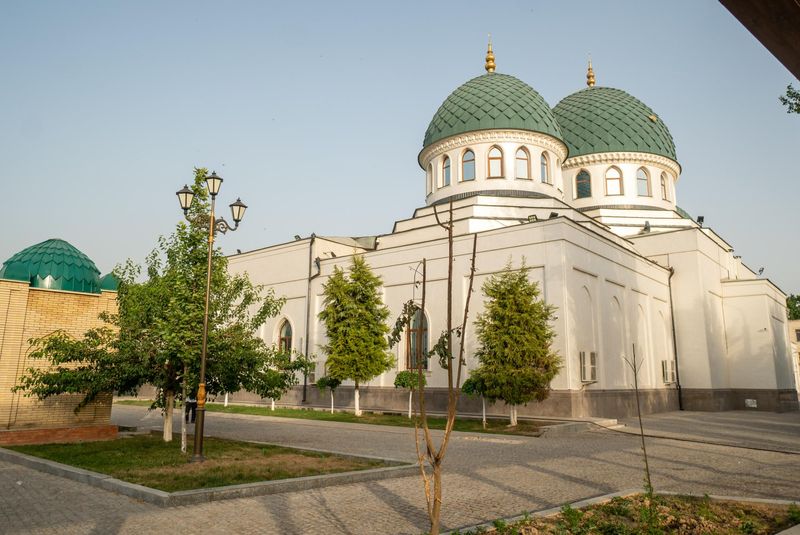
One of the most beautiful historical places in Tashkent is the Hazrati Imam Complex, also known as Khast Imam.
Located in Tashkent's old city, this is one of the most important religious centres in the capital.
The complex includes the Tillya Sheikh Mosque, Barak Khan Madrasah, Abu Bakr Kaffal Shashi Mausoleum and the Imam al-Bukhari Islamic Institute.
It feels completely different from central Tashkent's wide roads and Soviet architecture.
One of the most important treasures here is the Quran traditionally associated with Caliph Uthman. The manuscript dates from around the 7th century and is kept within the complex.
Even if you are not particularly interested in religious history, Hazrati Imam is worth visiting for the architecture and atmosphere.
It was one of the quieter places we visited in Tashkent and gives you a glimpse of the city's older side.
Where to Eat in Tashkent
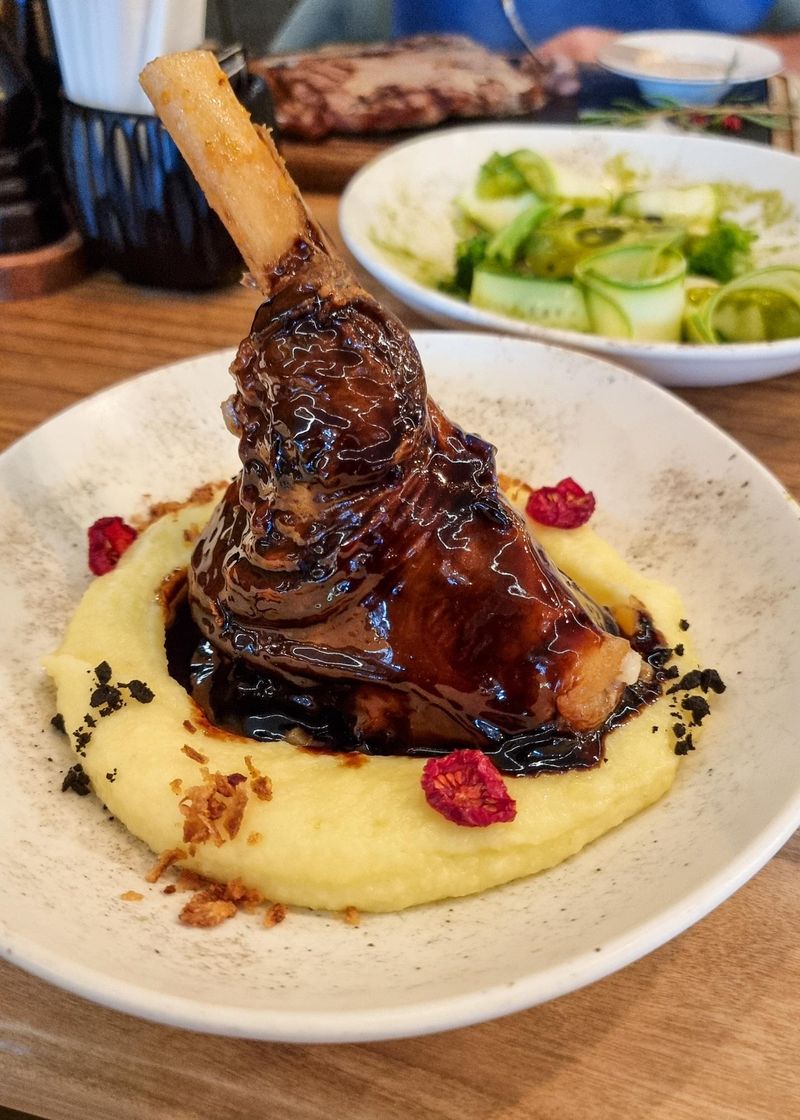
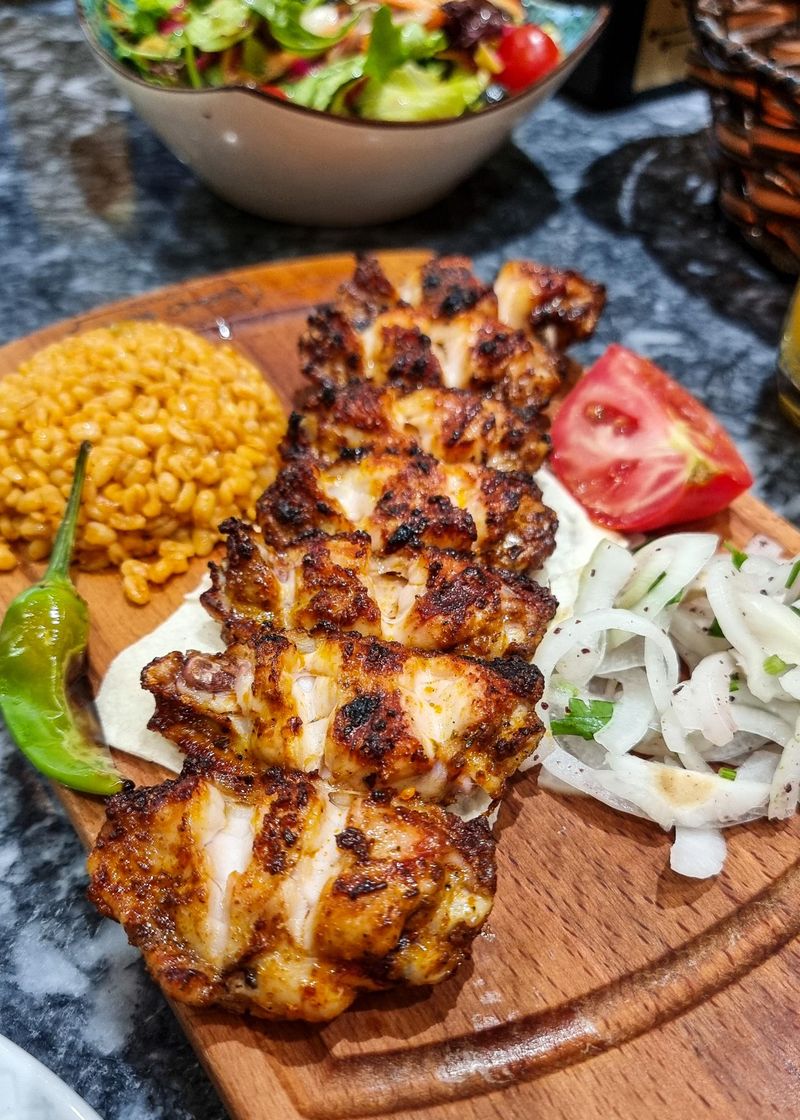
Tashkent has a much wider choice of restaurants than the other cities we visited in Uzbekistan, so it is a good place to mix traditional food with something different. For plov, Besh Qozon is one of the most famous places in the city and is known for cooking huge batches in traditional kazan pots.
Afsona is a good option if you want Uzbek food in a more modern setting, while Boboy is another popular choice for local dishes around Tashkent City.
And if, like us, you eventually fancy a break from plov and manti, Tashkent also has plenty of international options. We had a really good pizza here, and Roni Pizza Napoletana is another well-rated option for Italian-style pizza.
Tashkent Travel Tips
A few things are worth knowing before you arrive.
Download Yandex Go before your trip. It was the easiest way for us to get around, but setting it up once we were already in Uzbekistan caused problems with SMS verification.
Consider buying a local SIM. A data-only eSIM is useful for internet access, but a local number can be helpful for apps and bookings that require SMS verification.
Carry some cash. Cards are increasingly accepted in Tashkent, but cash is still useful at bazaars, street-food stalls and smaller businesses.
Don't underestimate the distances. Tashkent is a large city. Attractions that look relatively close on a map can still involve a long walk.
Dress respectfully at religious sites. Tashkent itself is fairly relaxed, but shoulders and knees should be covered when visiting mosques and religious complexes. I always carry a lightweight scarf with me for religious sites.
Leave some room for the food. Uzbek portions can be generous, and Tashkent is a good place to try everything from manti and plov to street food.
Is Tashkent Worth Adding to Your Uzbekistan Itinerary?
I wouldn't visit Uzbekistan instead of Samarkand, Bukhara or Khiva to see Tashkent. But I also wouldn't fly into Tashkent and leave without seeing any of it.
The capital shows you a completely different side of Uzbekistan.
You have Soviet architecture and enormous boulevards alongside old neighbourhoods and Islamic monuments. Modern malls exist alongside Chorsu Bazaar. You can eat traditional manti for lunch and find surprisingly good pizza for dinner.
Tashkent was both the beginning and the end of our journey through Uzbekistan, and after travelling through the country's famous historical cities and some of its lesser-known places, I was glad we came back and gave the capital more time.
If your itinerary allows it, spend at least a day here. You might be surprised by how much you enjoy Tashkent.