

Liechtenstein is one of those countries many people visit simply to say they have been there, but it actually has so much to offer, especially if you love adventure and the outdoors.
It is tiny, squeezed between Switzerland and Austria, and many travellers come on a day trip, walk around Vaduz for a couple of hours and leave. But after spending almost a week in Liechtenstein, including four days hiking across the mountains, I think that is a mistake.
Yes, Vaduz is small. You can walk around the centre very quickly. But Liechtenstein is much more than its capital. There are mountain villages, hiking trails, castles, cycling routes and some seriously beautiful Alpine scenery.
I went there partly to hike the Liechtenstein Panorama Trail, also known as Route 66, from the north to the south of the country. After finishing my multi-day hike, I stayed longer to explore Vaduz, Schaan and some of the places I had only seen from high in the mountains.
So, in this Liechtenstein travel guide, I am sharing what I think is worth doing, how to get around, where to stay and the practical things I wish more people knew before visiting.
Download my free packing checklist
This post contains affiliate links, and if you click one, I may receive a small commission at no extra cost to you.
Quick tips for visiting Liechtenstein
Best base for a first visit: Vaduz
Where I stayed: Vaduzerhof & Hotel Galina
How long I recommend: At least two days; longer for hiking
Currency: Swiss franc
Getting around: LIEmobil buses, walking or car
Best for: Hiking, mountains, cycling, castles and a quieter European break
Do you need a car? No
Adventure Pass: Worth checking if you plan several attractions
My favourite experience: Hiking the Liechtenstein Panorama Trail
Best eSim: Airalo if you want a straightforward Europe eSIM, or Holafly if you prefer unlimited data,
Liechtenstein at a glance
Liechtenstein sits between Switzerland and Austria and covers just 160 square kilometres. Its official language is German, although the local spoken dialect is Alemannic German. The currency is the Swiss franc, but euros are accepted in many places.
One of the things I noticed immediately is how easy it is to move around. The country is small, the public transport system is very good and many places are connected by walking and cycling routes. You really do not need a car to visit Liechtenstein.
I travelled around entirely by bus and on foot and found it surprisingly easy.
How to get to Liechtenstein
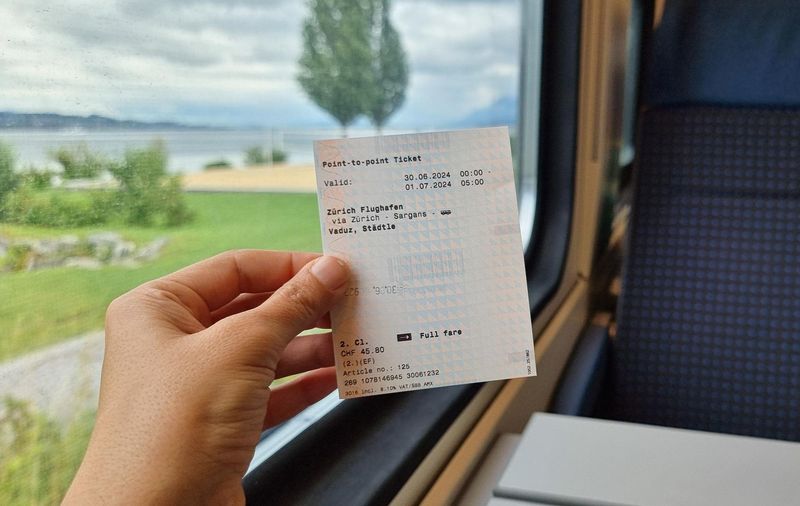
Liechtenstein does not have its own major international airport, so most international visitors arrive through Switzerland or Austria. If you are already travelling around Switzerland or Austria, Liechtenstein is very easy to add to your itinerary.
If you are flying into Zurich, one of the easiest options is to take a train towards Sargans and continue into Liechtenstein by LIEmobil bus. You can also connect through Buchs SG in Switzerland or Feldkirch in Austria. Liechtenstein Tourism lists all three as the main rail gateways into the country.
It sounds more complicated than it actually is. I travelled by train and bus and found the connections straightforward.
If you prefer driving, Liechtenstein is roughly an hour from Zurich by car under good conditions, although remember that motorway vignettes are required when using motorways in Switzerland and Austria.
How many days do you need in Liechtenstein?
You can visit Liechtenstein as a day trip, but I would recommend staying for at least two days if you can. With one day, you could explore Vaduz and perhaps visit another nearby town.
With two or three days, you can see Vaduz, go into the mountains around Malbun, visit other villages and fit in a hike.
If you are coming specifically for hiking, you could easily stay longer. I spent four days just hiking the Liechtenstein Panorama Trail before exploring the rest of the country. The official Panorama Trail is a high-altitude route that can be completed over three to four days.
For me, that was actually one of the best ways to understand how mountainous Liechtenstein really is and have the best views over the country.
Where to stay in Liechtenstein
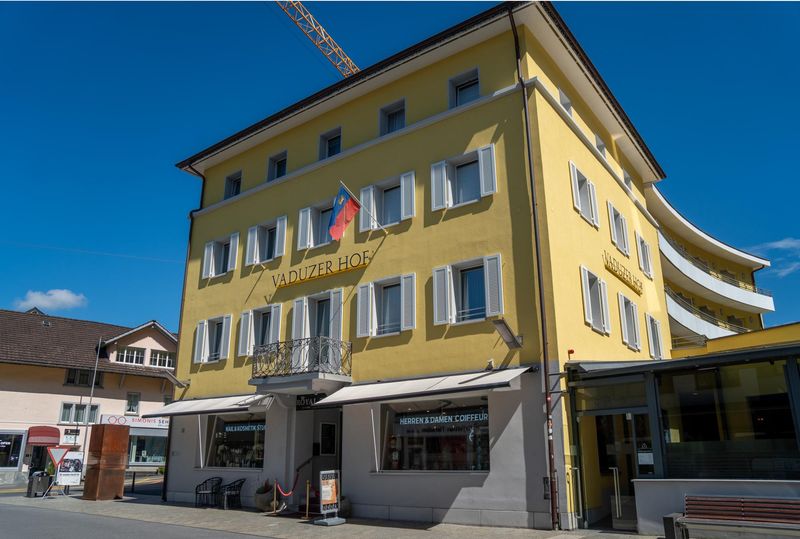
For a first visit, Vaduz is probably the easiest base. I stayed at Vaduzerhof, right in the centre of Vaduz, both before and after hiking Route 66. The location worked very well for me because I could walk around town and easily reach public transport.
It was particularly useful for my hiking trip because I could leave my main suitcase in a locker and take only my hiking backpack into the mountains.
The hotel has 35 rooms, 24-hour self-check-in and a very central location in Vaduz.
If you prefer something more luxurious, Park Hotel Sonnenhof is one of the more upscale choices around Vaduz, while Hotel Residence is another centrally located four-star option listed by Liechtenstein Tourism.
For hiking and mountain activities, staying in Malbun makes much more sense than basing yourself in Vaduz. You are already in the mountains, with hiking trails and cable cars right on your doorstep.
I stayed at Hotel Galina during my Panorama Trail hike, and it worked really well for me. A couple of other highly rated options are Hotel TURNA Malbun, which is one of the best-rated hotels in the village, and JUFA Hotel Malbun, which has more facilities such as a restaurant and wellness area.
Best things to do in Liechtenstein
Explore Vaduz
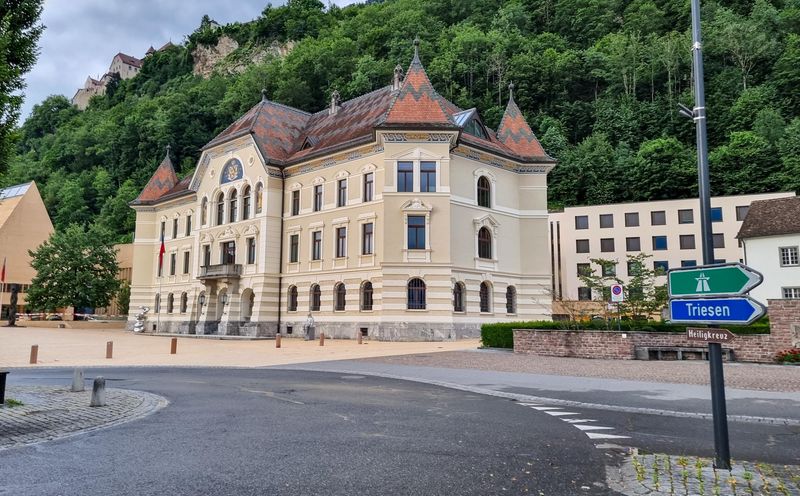
Vaduz is the capital and the place most visitors start. Do not expect a huge European capital filled with neighbourhoods and endless attractions. The centre is compact and easy to explore on foot.
You will find museums, restaurants, cafés, shops, contemporary architecture and quite a lot of public art within a relatively small area.
I actually liked that. After hiking for four days with a heavy backpack, walking around a small capital felt rather manageable.
Vaduz also makes a good base because buses connect it with places such as Schaan, Triesenberg and Malbun.
Walk up to Vaduz Castle
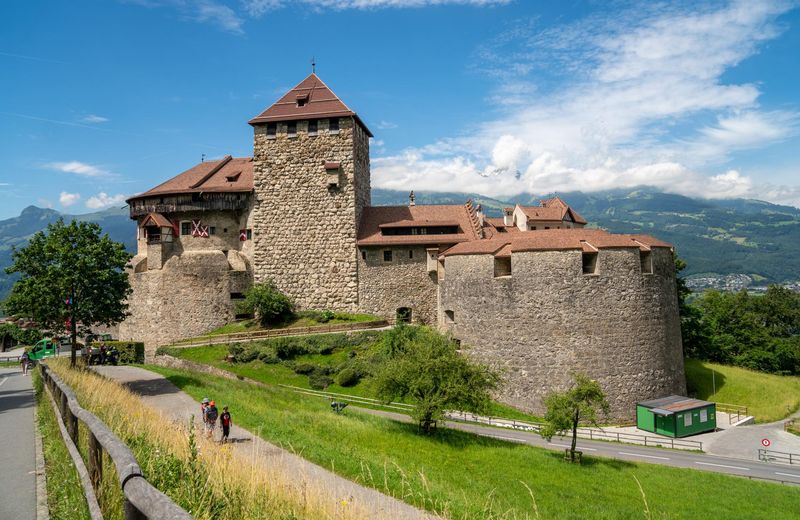
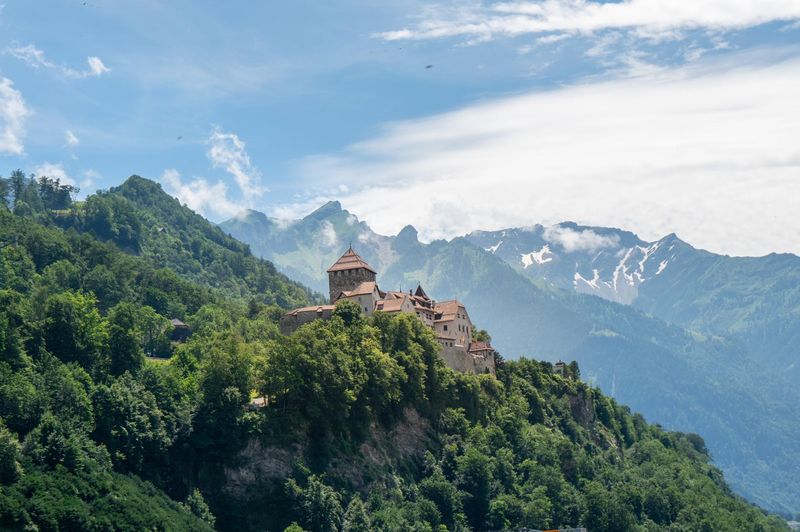
The most recognisable landmark in Liechtenstein is Vaduz Castle, sitting on the hillside approximately 120 metres above the town.
It has been the residence of Liechtenstein's princely family since 1939, which means you cannot normally go inside. But I still think the walk is worth doing.
From the centre of Vaduz, you can walk uphill towards the castle. Along the way, there are information boards explaining more about the royal family and Liechtenstein's history.
The castle itself is impressive, but for me, one of the best parts was actually the view back over Vaduz and the Rhine Valley.
Ride the Vaduz Citytrain
This is definitely one of the more touristy things I did in Vaduz, but I actually enjoyed it.
The Citytrain takes around 40 minutes and travels through central and historic Vaduz, past the vineyards and through some of the greener areas outside the main tourist centre. It also makes a photo stop near the Red House with views towards Vaduz Castle.
You receive headphones during the journey so you can listen to information about the country and its history.
If you have limited time in Vaduz, it is an easy way to see more than you would by staying around the pedestrian centre.
The Citytrain currently operates seasonally from April to October, so check the latest timetable before your trip.
Visit Vaduz's museums
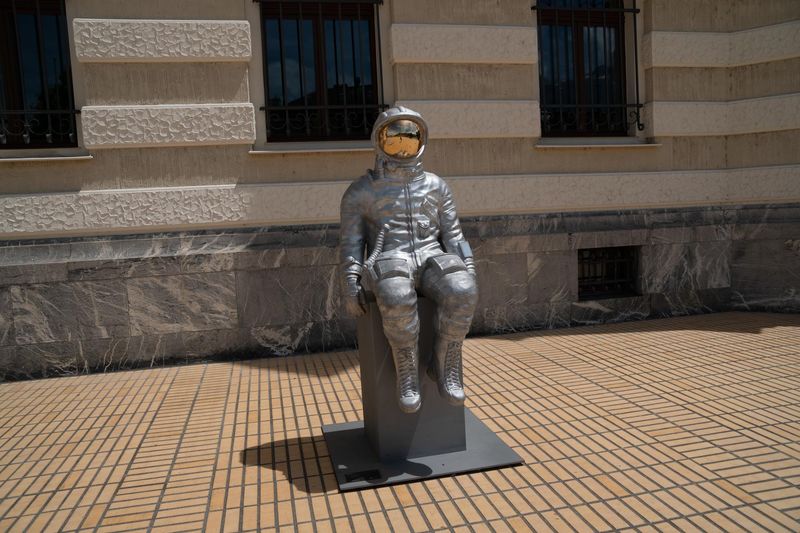
For such a small capital, Vaduz has an impressive concentration of museums. Its so-called Museum Mile has six museums within just a few hundred metres, covering art, national history, stamps and some rather unexpected exhibits.
Depending on your interests, you can visit the Liechtenstein National Museum, Kunstmuseum Liechtenstein, the Post Museum and the Treasure Chamber.
The Treasure Chamber is particularly unusual. Its collection includes historic weapons, Fabergé pieces and even moon rocks connected with the Apollo missions.
If the weather turns bad, this is also one of the easiest ways to spend a few hours in Vaduz.
Get your passport stamped
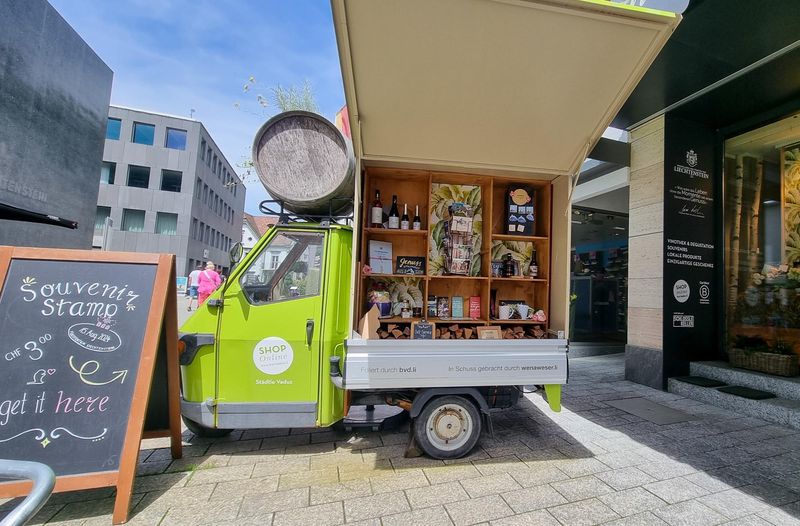
This is completely touristy, but if you enjoy collecting passport stamps, you can get a Liechtenstein souvenir stamp from the Liechtenstein Centre in Vaduz.
The current price is CHF 3, and it is included with the ALL INCLUSIVE Adventure Pass.
It is obviously not an official immigration stamp, but it makes a fun souvenir.
Step away from the tourist centre of Vaduz
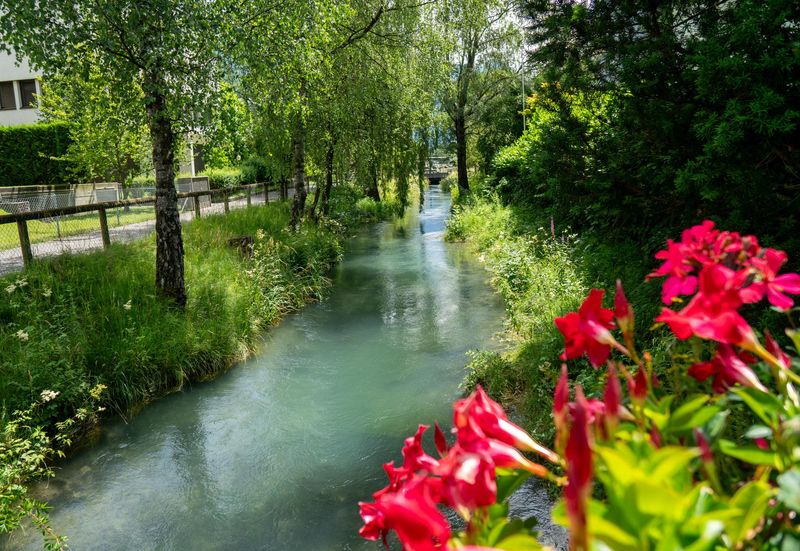
One thing I recommend is simply walking away from the main pedestrian area.
Within a few minutes, I found quiet residential streets, streams, cycling paths and hardly any tourists.
It gave me a completely different impression of Vaduz.
This is something I often do when travelling. The main attractions are worth seeing, but walking a few streets away often tells you much more about what a place actually feels like.
Visit Schaan
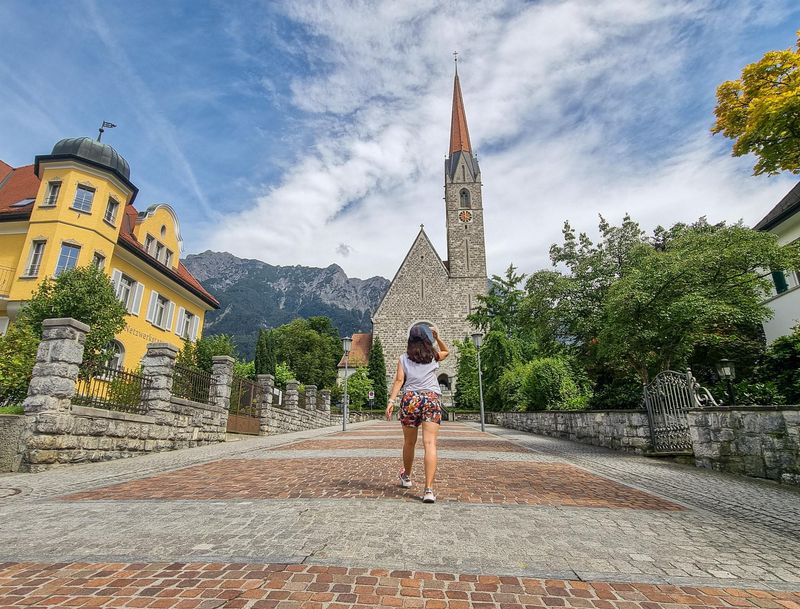
Vaduz is the capital, but Schaan is another town worth seeing if you have more time. It feels noticeably quieter and more local than central Vaduz.
I took the bus there and wandered around before walking towards the Rhine. One of the buildings that immediately caught my attention was the church in the centre, which is also great for photography.
What I enjoyed most was simply walking away from town.
I followed paths through farmland towards the river, surrounded by mountains I had been hiking across only a few days earlier.
Walk or cycle along the Rhine
From Schaan, I walked around two kilometres towards the Rhine. There are long, flat walking and cycling paths running beside the river, and I saw far more cyclists than tourists. It is not necessarily somewhere I would come for a major attraction. The appeal is that it is quiet, flat and surrounded by mountains.
Liechtenstein also has extensive cycling routes, and the Liechtenstein Trail itself can be covered by bicycle. The cycling version passes through all of the country's municipalities and covers around 75–85 kilometres depending on the version followed.
If hiking is not your thing, cycling could be a very good way to explore.
Hike the Liechtenstein Panorama Trail
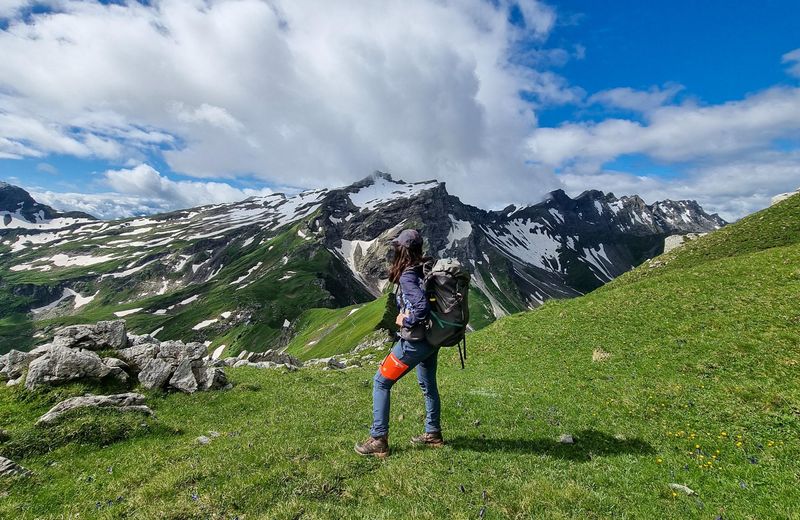
If you are looking for something more adventurous, this was easily the highlight of my trip. I hiked the Liechtenstein Panorama Trail, Route 66, over four days from Planken towards Malbun.
Parts of the trail were peaceful and relatively easy. Others involved exposed mountain paths, ladders, cables, steep climbs and long descents. I also had rain, fog and even snow despite hiking during summer.
The official Route 66 hut tour covers around 30 kilometres over three stages, although longer variations are possible depending on where you start and the routes you choose. Liechtenstein has more than 400 kilometres of marked hiking trails in total.
It remains one of the most beautiful multi-day hikes I have done in Europe. If you are comfortable hiking in the mountains, I would put it very high on your list.
Read next: My complete guide to hiking the Liechtenstein Panorama Trail
That article covers the day-by-day route, huts, accommodation, difficulty, what I packed and the mistakes I would avoid next time.
Walk the Liechtenstein Trail
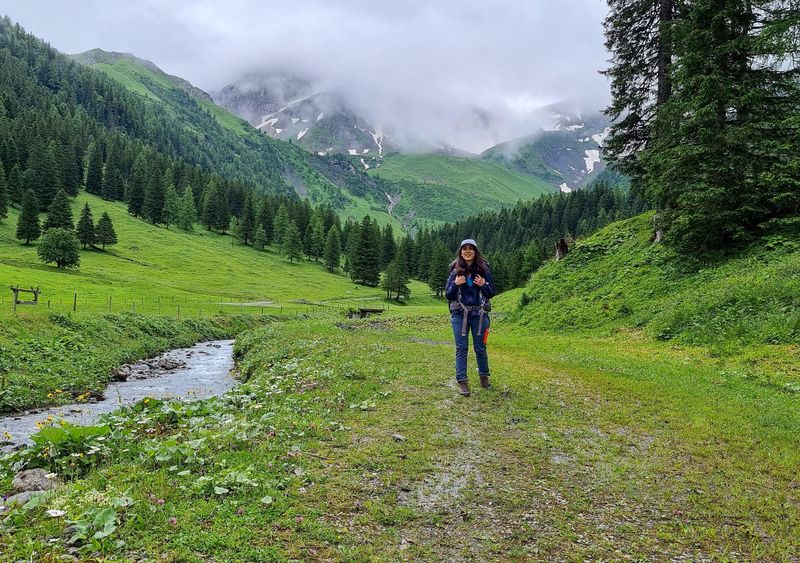
Do not confuse this with the Panorama Trail. The Liechtenstein Trail is a lower and much less technical route linking towns, villages, historical sites and landscapes across the country.
The main trail is around 75 kilometres long and passes through all 11 municipalities.
This would be a better option if you like long-distance walking but do not want the exposed Alpine terrain of Route 66.
You can divide it into several stages rather than walking the whole route at once.
Getting around Liechtenstein
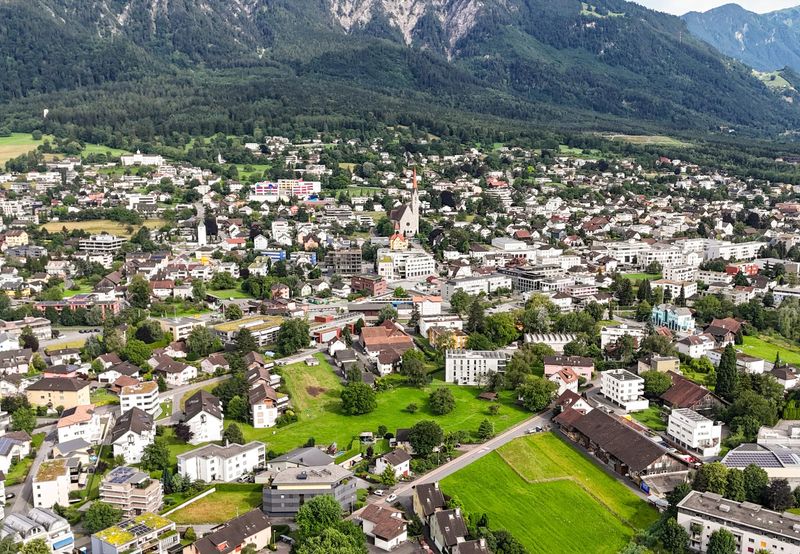
I found public transport in Liechtenstein excellent. The LIEmobil buses connect most of the places travellers are likely to visit, including Vaduz, Schaan, Planken and Malbun.
I used buses throughout my trip, including during my four-day hike, and rarely felt that having a car would have made things significantly easier.
Google Maps was also useful for checking connections when I was there, although I would always confirm important journeys using the current LIEmobil timetable.
If you have the WELCOME or ALL INCLUSIVE Adventure Pass, local public transport is included.
A car does give you extra flexibility, particularly if you want to visit several places in one day, but it certainly isn't essential.
Is the Liechtenstein Adventure Pass worth it?
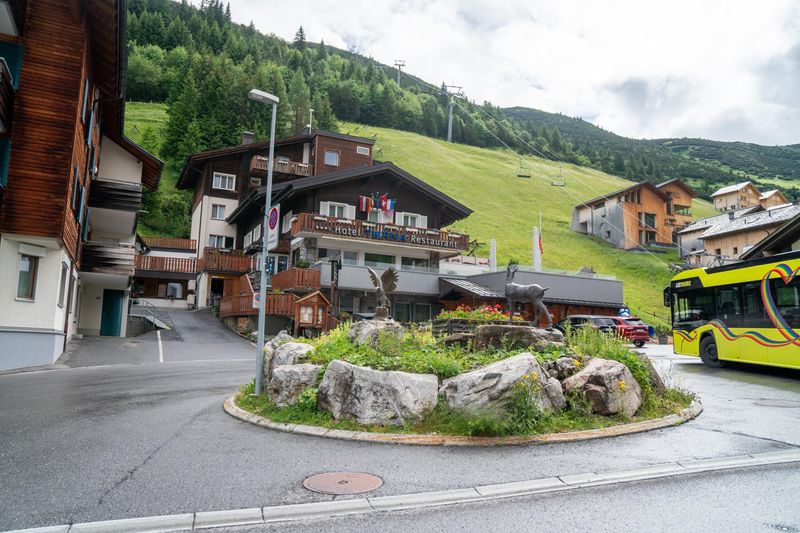
When I was exploring the country, I used the Adventure Pass, and it saved me money because I wanted to visit several attractions and use public transport.
The system has since been updated, so there are now two versions worth knowing about.
If you stay overnight in participating accommodation, you can receive the WELCOME Adventure Pass free of charge. It includes free public transport and discounts on museums, the Citytrain, cable cars and other attractions.
There is also the ALL INCLUSIVE Adventure Pass, which anyone can buy, including day visitors.
For 2026, it costs:
CHF 25 for one day
CHF 29 for two consecutive days
CHF 35 for three consecutive days
It includes free public transport plus free admission to many museums and attractions, including the Citytrain and selected mountain cable cars. If you are planning to visit several paid attractions, it can be excellent value.
I would calculate what you want to do first rather than buying it automatically.
What language is spoken in Liechtenstein?
German is the official language. You will also hear a local Alemannic dialect, which can sound quite different from standard German.
I do not speak German fluently and still managed perfectly well as a visitor.
English was easy enough to use in hotels and tourist attractions, although during my mountain hike I stayed at one hut where communication was more limited.
Learning a few basic German words never hurts.
Do you need an eSIM for Liechtenstein?
recommend having mobile data in Liechtenstein, especially if you plan to use public transport or go hiking.
I used my phone regularly for Google Maps, checking bus times and following my hiking route, so having reliable data made travelling around much easier.
One thing to keep in mind is that Liechtenstein is closely connected with Switzerland, but your normal roaming plan may not always treat Liechtenstein in the same way. It is worth checking with your mobile provider before you travel so you do not get caught by unexpected roaming charges.
If your current plan does not include Liechtenstein, an eSIM is an easy option.
I would recommend Airalo if you want a straightforward Liechtenstein or Europe eSIM, especially if you are combining Liechtenstein with Switzerland, Austria or other countries nearby.
If you prefer unlimited data, Holafly is another good option to consider.
Is Liechtenstein expensive?
Liechtenstein is not what I would call a budget destination.
The currency is the Swiss franc, and prices are broadly what you might expect when travelling in this part of the Alps. Euros are accepted in many places, although change may be given in Swiss francs.
One way to keep sightseeing costs under control is the Adventure Pass, particularly if you are using public transport and visiting several museums or attractions.
Best time to visit Liechtenstein
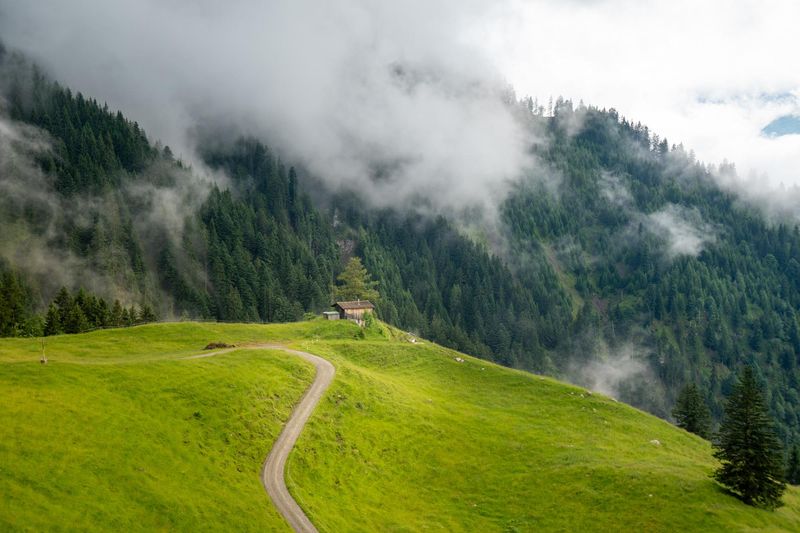
There really is no single best time because it depends on what you want to do.
For hiking and cycling, summer and early autumn give you the best chance of accessible mountain trails.
However, do not assume that summer means perfect conditions. I encountered rain, thick fog and snow during my July hike.
For winter sports, Malbun becomes the obvious base. Spring and autumn are good if your priority is sightseeing around Vaduz and the lower valleys rather than high-altitude hiking.
If you want to hike, always check current trail and mountain conditions rather than choosing your dates based only on the season.
Is Liechtenstein worth visiting?
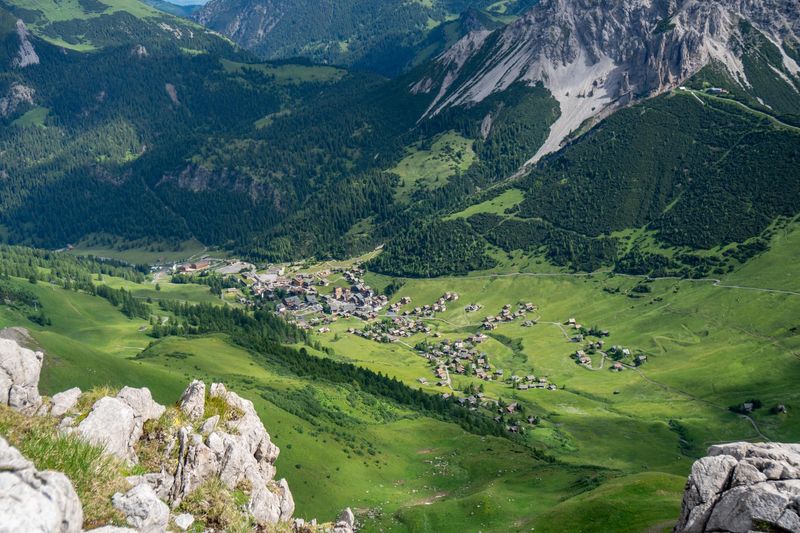
Liechtenstein is absolutely worth visiting, but I would not travel here just to tick another country off a list.
If you only walk around central Vaduz for two hours, you might wonder what all the fuss is about. Stay longer.
Walk up to the castle. Take a bus into the mountains. Visit Malbun. Walk beside the Rhine. Explore a village where there are hardly any tourists.
And if you enjoy hiking, spend several days on the Panorama Trail. That was when Liechtenstein made sense to me.
For such a small country, there is an impressive amount packed between Switzerland and Austria, particularly if adventure and the outdoors are part of the reason you travel.
Can you visit Liechtenstein as a day trip from Zurich?
Yes. Liechtenstein is easy to visit from Zurich in a day, either independently by train and bus or as part of an organised tour.
There are day tours from Zurich that include Vaduz, often combined with places such as Heidiland and Maienfeld. One popular option takes around 7.5 hours and includes time to explore Vaduz before returning to Zurich.
If you prefer travelling independently, you can take the train from Zurich towards Sargans or Buchs and continue to Vaduz by bus. But I would only recommend a day trip if you genuinely do not have more time.
A few hours in Vaduz will let you see the capital, walk towards the castle and get a taste of Liechtenstein, but it will not really show you why I enjoyed the country so much.