

Japan is one of the easiest countries I have travelled around, but it can also feel confusing when you first arrive.
The public transport is incredibly reliable, the cities are clean, and everything feels organised. But Japan also has its own rules, customs and ways of doing things that can be very different from what you may be used to.
We travelled through Tokyo, Kyoto, the Japanese Alps and Okinawa, using trains, buses and even a rental car, so we experienced several very different sides of the country.
If you are planning your first trip, you are in the right place. In this post, I covered everything you should know before visiting Japan, from getting around and using an IC card to cash, tattoos, driving, travel insurance, internet access and some of the etiquette that can catch first-time visitors out.
This post contains affiliate links, and if you click one, I may receive a small commission at no extra cost to you.
Quick Glance: What You Need Before Visiting Japan
If you are short on time, these are the main things I would sort out before travelling to Japan:
Get your eSIM: Having mobile data makes travelling around Japan much easier.
International Driving Permit: If you are planning to rent a car or take a street-kart tour, you need to get an International Driving Permit before you travel.
Travel Insurance: I always recommend travelling with insurance.
Japan Rail Pass: Do not automatically buy a JR Pass. Work out your planned train journeys first and compare the cost, because individual tickets may be cheaper.
Cash: Bring some Japanese yen as well as bank cards.
IC Card: Get a Suica, PASMO or ICOCA card for easy travel on local trains, underground trains and buses.
Japan Packing List: Japan’s weather can vary a lot depending on the season and where you are travelling, so packing can be trickier than it looks. I created a free Japan packing list to help you prepare.
Public transport in Japan is incredibly reliable

One of my favourite things about travelling in Japan was the public transport. Japan has an extensive network of trains, underground trains and buses, and for most visitors, public transport will be the easiest way to get around.
Trains usually arrive when the timetable says they will, platforms are clearly marked and major stations normally have signs in English.
Even when we travelled into the Japanese Alps, we were able to get around using a combination of trains and buses. But reliable does not necessarily mean simple.
Stations such as Shinjuku and Tokyo Station are enormous. Sometimes finding the correct exit can feel as if it takes longer than the actual train journey. Maybe I am exaggerating.
So whenever you have an important connection, give yourself a little extra time.
If you are visiting Tokyo for the first time, have a look at my Tokyo travel guide as well.
Get an IC card
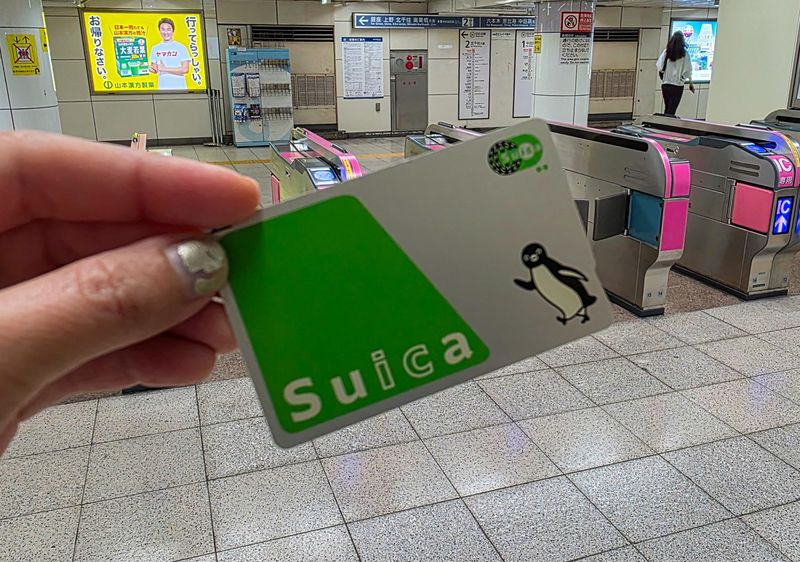
One of the easiest ways to use public transport in Japan is with an IC card. Instead of buying an individual ticket every time you take a local train or bus, you load money onto the card and tap in and out.
The main cards include Suica, PASMO and ICOCA, and they can also be used in many shops and vending machines.
You can usually buy an IC card from ticket machines or ticket counters at major train stations. Visitors arriving in Tokyo can also get tourist options such as Welcome Suica, including at selected airport and JR East locations.
Just remember that an IC card does not replace every ticket. You may still need a separate ticket or reservation for some Shinkansen and limited express journeys.
You probably do not need a Japan Rail Pass
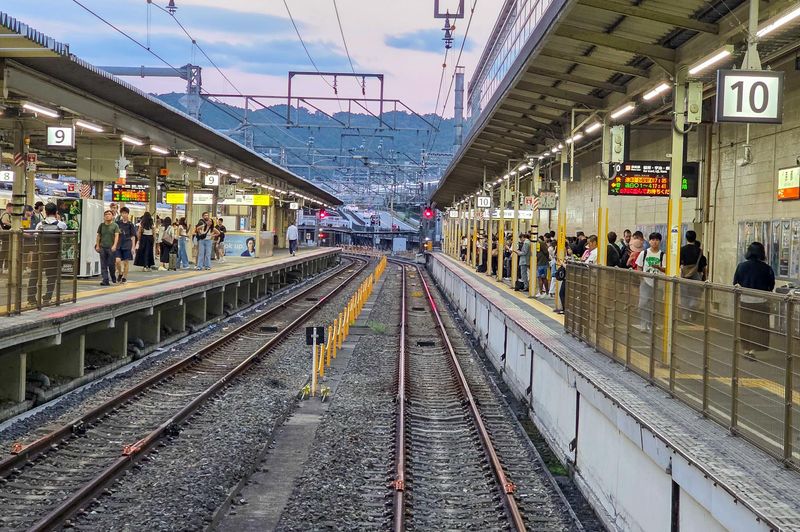
For years, buying a nationwide Japan Rail Pass was almost automatic advice for anyone visiting Japan. That is no longer the case.
The JR Pass became significantly more expensive, so depending on your itinerary, buying individual train tickets can work out cheaper.
For our trip, we did not buy the Japan Rail Pass because individual tickets made more sense for the route we were taking.
Before buying one, list the long-distance journeys you are planning and compare their cost with the pass. Also remember that Japan has several railway operators. A JR Pass covers eligible JR services, not every train in Japan.
So don't buy a JR Pass simply because you have heard that every tourist needs one. Calculate it for your own itinerary first.
Book some trains in advance
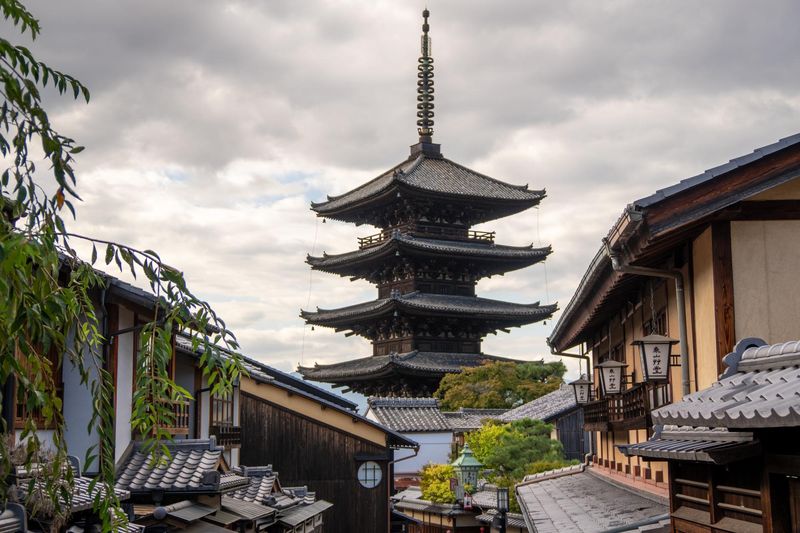
You do not need to reserve every train before you arrive in Japan. However, I would book important long-distance journeys, particularly if you are travelling during busy periods or need to be somewhere at a particular time.
This is especially useful for Shinkansen journeys, limited express trains and routes with fewer departures. It is also worth booking if you want to sit together or are travelling with larger luggage.
Japan has several peak travel periods, including Golden Week and the New Year holidays, when transport can become much busier than normal.
My approach is to book the journeys that matter and leave some flexibility around everything else.
Be Aware of Japan’s Public Transport Etiquette
This was one of those little cultural differences I noticed almost immediately. Public transport in Japan can be very quiet.
People generally avoid speaking loudly, and sometimes everyone was so quiet that even whispering made me feel uncomfortable.
Phone calls on local trains are best avoided. On long-distance trains such as the Shinkansen, there are areas outside the main seating section where you can go if you need to make a call.
On crowded trains, you should also avoid blocking doors with your luggage. Take your backpack off and hold it in front of you or use the luggage rack where possible.
You will also see priority seats for older passengers, pregnant women, people with disabilities and passengers travelling with small children.
You don't need to spend your holiday worrying that you are going to break a rule. Observe what people around you are doing, be considerate and you will be fine.
You can rent a car in Japan
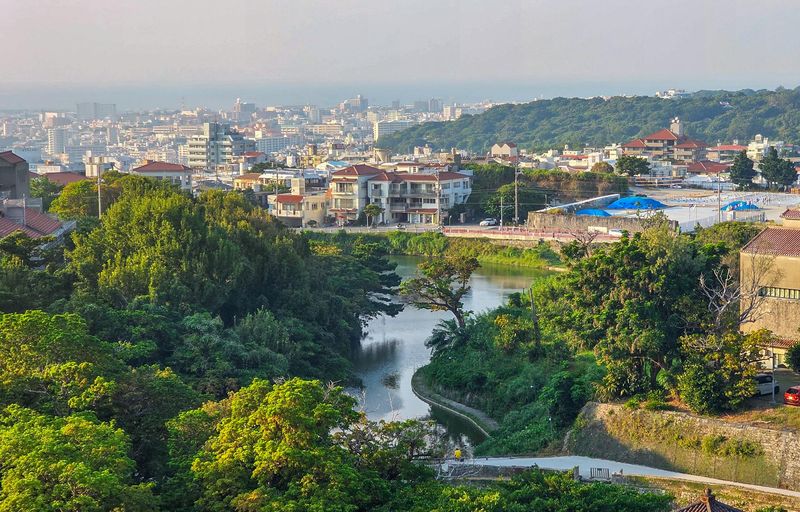
Japan's public transport is excellent, but that does not mean a car is never useful. We rented a car in Okinawa, and I was very happy that we did.
Naha in Okinawa has public transport, but once you start exploring beaches, diving locations and attractions elsewhere on Okinawa's main island, having a car gives you much more freedom.
A rental car can also make sense in rural areas and parts of Japan where trains and buses are less frequent.
I would not rent a car just to explore central Tokyo, Kyoto or Osaka. Public transport is usually faster and easier, and parking can be expensive.
But if you are heading somewhere more remote, it is definitely worth considering.
Get an International Driving Permit in Japan
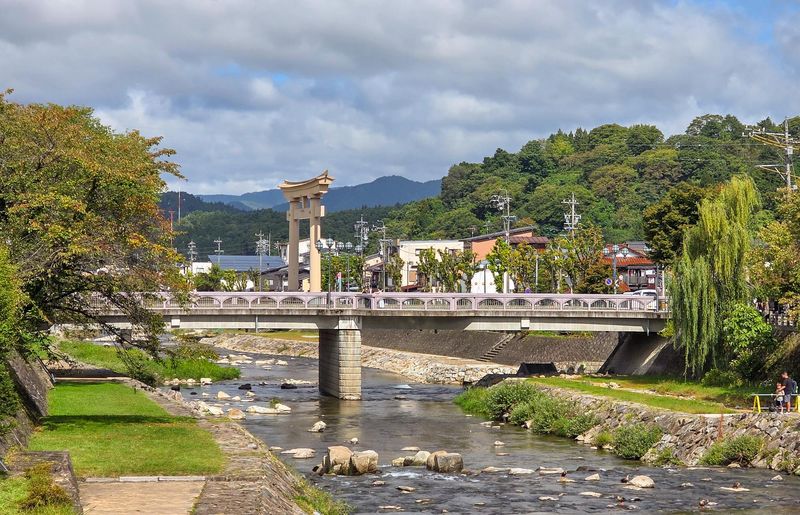
If you want to drive in Japan, make sure you have the correct documents before you travel.
Visitors from many countries need their original driving licence plus a valid International Driving Permit. Japan accepts the booklet-style paper IDP issued under the relevant convention; digital or card-style “international driving licences” are not accepted.
Requirements are different for licences issued in some countries, including Germany, France, Belgium, Switzerland, Monaco and Taiwan, where an official Japanese translation is used instead.
For UK licence holders, the required IDP can currently be obtained from participating PayPoint stores.
And this does not only apply if you are hiring a car. If you want to do one of the famous street-kart tours in Tokyo, you also need to make sure you have the correct driving documents.
Japan drives on the left, which felt familiar to us coming from the UK.
Toll roads are also common, and many rental cars can be supplied with an ETC card for electronic toll payments.
Parking is generally in designated parking areas rather than wherever you find an empty space on the street.
Get Travel Insurance Before Visiting Japan
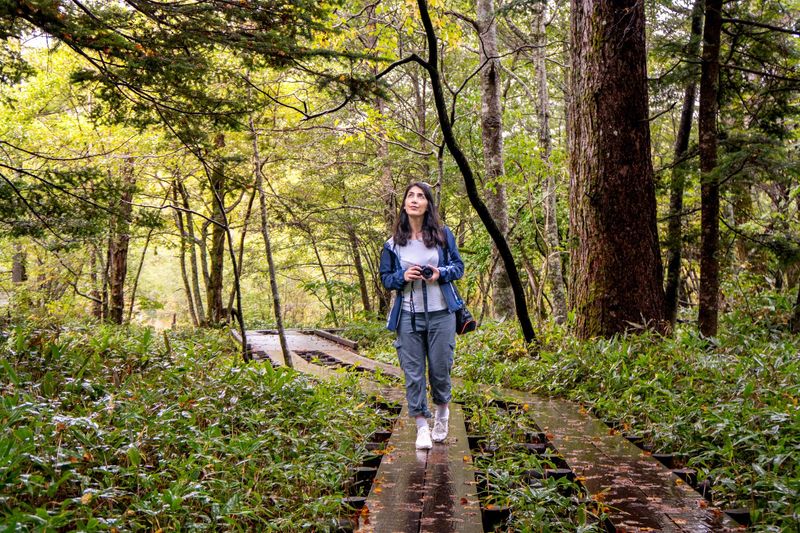
Travel insurance isn't mandatory for visiting Japan, but I definitely recommend having it. Even in a very safe country, you can still get ill, injure yourself or have your luggage delayed. Japan's official tourism organisation also recommends arranging adequate travel insurance before your trip.
Because I often travel for longer periods and do activities such as hiking and diving, I always check what a policy actually covers rather than simply choosing the cheapest option.
One option is SafetyWing, which offers travel medical insurance designed for people travelling internationally, including cover for unexpected illness or injury. As always, check the current policy details and exclusions to make sure it suits your trip and any activities you are planning.
Japan still uses more cash than you may expect
You might assume that because Japan is such a technologically advanced country, you can travel completely cashless. Not quite.
Cards are widely accepted in hotels, department stores, larger restaurants and many shops, particularly in cities, but there are still places where cash is useful or necessary. This is particularly true for smaller businesses and when travelling outside the major cities.
I would always carry some Japanese yen with me. You might not see cash machines everywhere on the street because many useful ones are inside mini-markets such as 7-Eleven.
Seven Bank and Japan Post Bank cash machines accept many overseas cards.
I would also take more than one bank card and keep them separately in case one gets blocked or lost.
Tattoos can affect your onsen experience
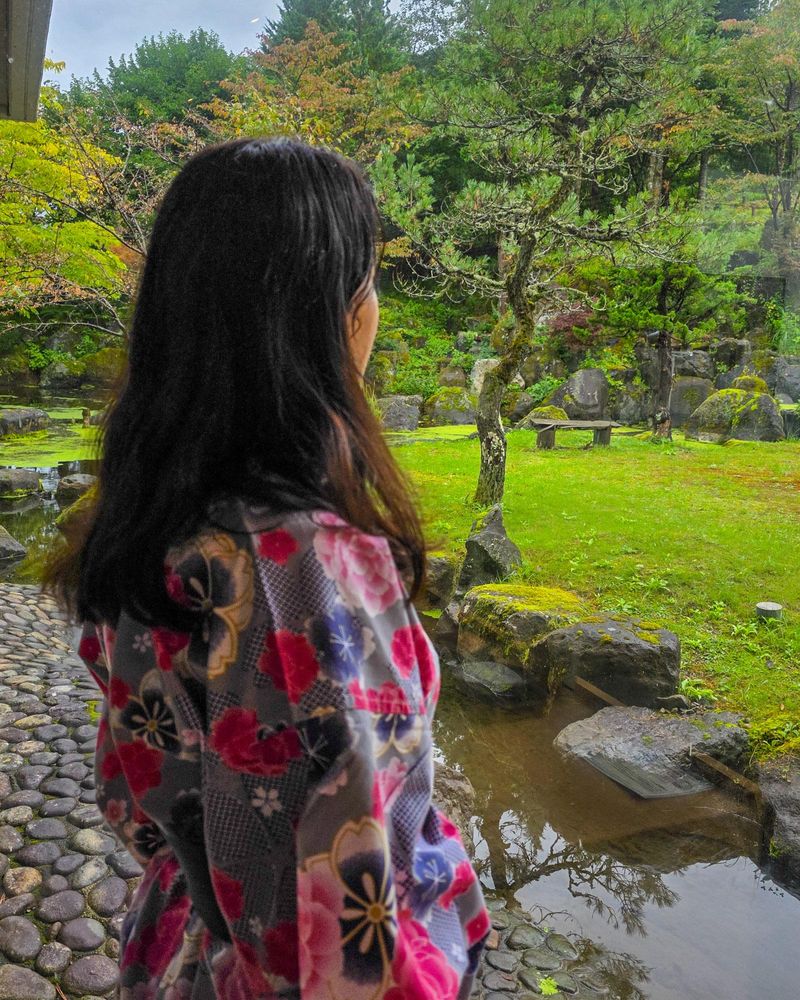

If you have tattoos and want to visit an onsen, do a little research before you go. Many traditional onsens still restrict guests with tattoos.
The situation is gradually changing, and there are now more tattoo-friendly onsens, but you should never assume yours will be accepted.
Some places allow small tattoos if you cover them with a patch. Others have private baths that you can book. But some will simply not allow you into the communal baths if you have a tattoo.
Check the policy before booking your accommodation, particularly if the onsen is one of the main reasons you are staying there.
You cannot smoke wherever you want in Japan
This was honestly one of my favourite things about Japan. People cannot simply walk through every busy street smoking wherever they want.
Smoking rules vary between cities and prefectures, but smoking while walking is prohibited in many areas and smokers are expected to use designated smoking spaces. Smoking is also prohibited in most restaurants and bars except in permitted or designated areas.
Some streets are specifically smoke-free, so pay attention to the signs. As someone who does not smoke, I loved being able to walk through crowded areas without constantly breathing in cigarette smoke.
Rubbish bins can be surprisingly difficult to find
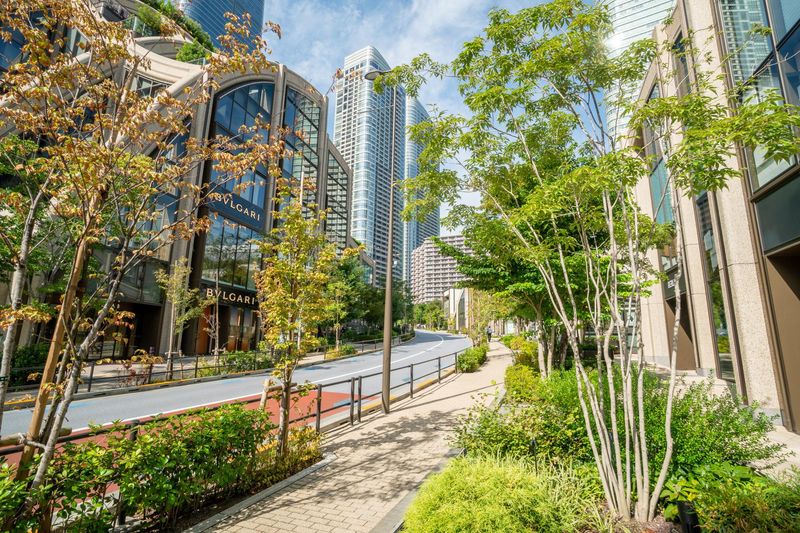
Japan is incredibly clean. What makes that even more impressive is how difficult it can be to find a public rubbish bin. You can buy a drink or snack and end up carrying the empty packaging around for ages.
I recommend carrying a small bag for your rubbish and disposing of it when you find the correct bin or return to your accommodation.
You will find some bins around stations, vending machines and shops, but do not expect a rubbish bin on every corner.
Avoid eating while walking in Japan
You will see lots of delicious street food in Japan, particularly around markets and tourist areas. However, it is generally better to eat beside the stall or in the designated area rather than walking through a crowded street while eating.
It is more etiquette than some nationwide law that tourists need to panic about.
When we bought street food, we normally ate it nearby, disposed of the packaging and then carried on exploring. Again, just look at what people around you are doing.
Restaurants may work differently from what you expect
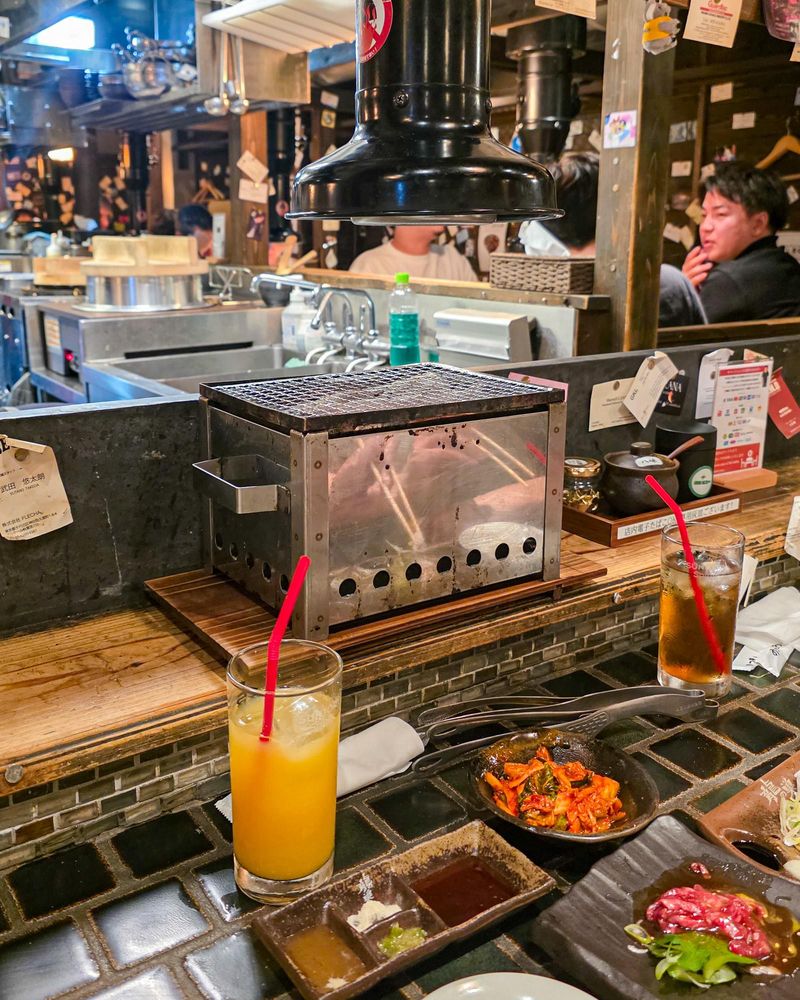
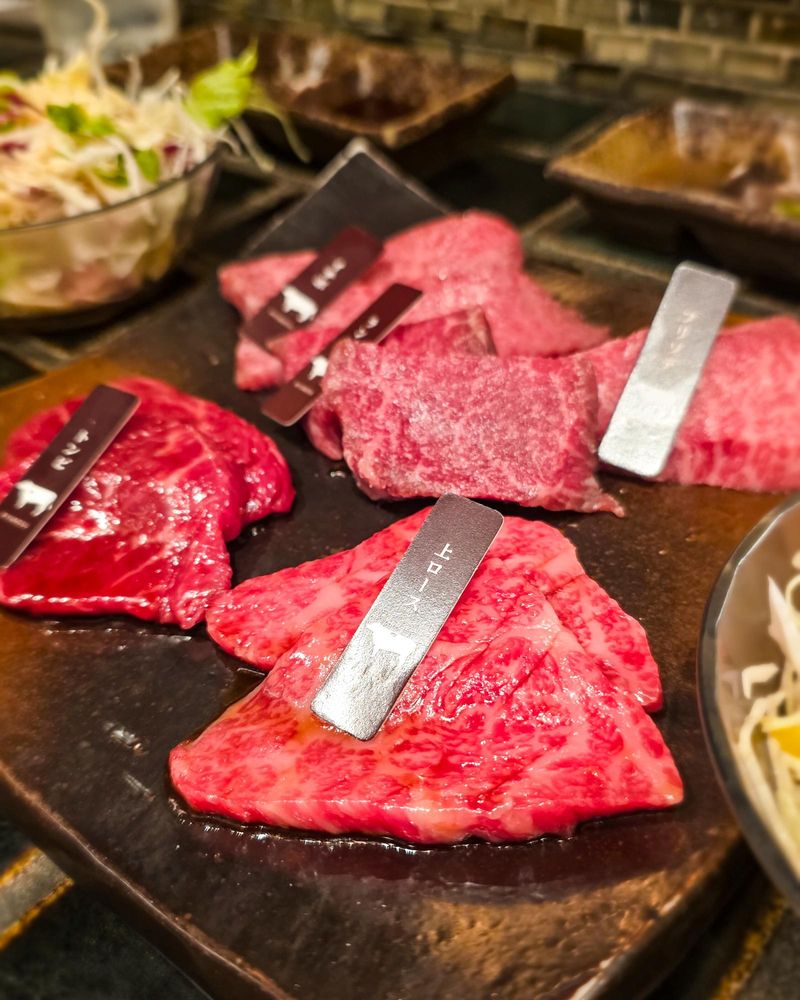
Eating out in Japan was one of the highlights of the trip, but ordering can work very differently depending on where you go. Some restaurants have English menus, but definitely not all. Ans some restaurants use tablets or QR codes.
At some ramen restaurants, you order and pay using a machine before you even sit down.
Smaller restaurants might have only a handful of seats, so they are not necessarily places where you order one coffee and stay for three hours.
Don’t Tip in Japan
You do not need to tip in Japan. Tipping is not part of the usual culture, and in some situations it can actually cause confusion. Some locals might even get offended.
Good service is already included in the price, so simply pay the amount shown on the bill and say thank you.
Learn a few Japanese words
You absolutely can travel around Japan without speaking Japanese, particularly in the major tourist destinations. But English is not spoken everywhere.
Translation apps were extremely useful for us, particularly for menus, signs and the occasional washing machine that looked as if it required an engineering degree.
Google Lens was also useful because you can point your camera at Japanese text and translate it.
I would learn at least a few words:
Konnichiwa: hello
Arigatou: thank you
Sumimasen: excuse me / sorry
You don't need perfect pronunciation. Making a little effort goes a long way.
Book popular attractions before arriving in Japan


Japan is not somewhere I would recommend arriving with absolutely nothing booked if you have specific attractions you desperately want to visit.
Popular experiences such as teamLab, themed cafés, museums and observation decks can sell out or have limited timed-entry tickets. Sunset slots at observation decks are particularly popular.
At the same time, I would not schedule every hour.
Japanese cities are huge and getting between neighbourhoods takes time. I prefer choosing one or two priorities for the day and leaving some time to wander.
Luggage forwarding can make travelling much easier
Japan has a brilliant luggage-forwarding system that lets you send your suitcase from one destination to another.
This can be incredibly useful if you are travelling around the country by train. Instead of taking a large suitcase onto every train and dragging it through stations, you can send it ahead and travel with a small overnight bag.
Hotels can often arrange luggage forwarding for you, and some convenience stores also handle luggage-delivery services.
Just remember that delivery is not necessarily same-day, so keep anything you need immediately with you.
Shoes come off in more places than homes
Most visitors already know that shoes come off inside Japanese homes. But you may also be expected to remove them in traditional accommodation, some restaurants, temples and other indoor spaces.
Look for shoe racks, slippers or a raised floor around the entrance. And never walk across tatami mats wearing your outdoor shoes.
Then there are toilet slippers. You may find a separate pair of slippers waiting inside the toilet. They are only for the toilet.
Remember to take them off when you leave. You do not want to become the tourist casually walking around a traditional Japanese inn in toilet slippers.
Japan may be cheaper than you expect
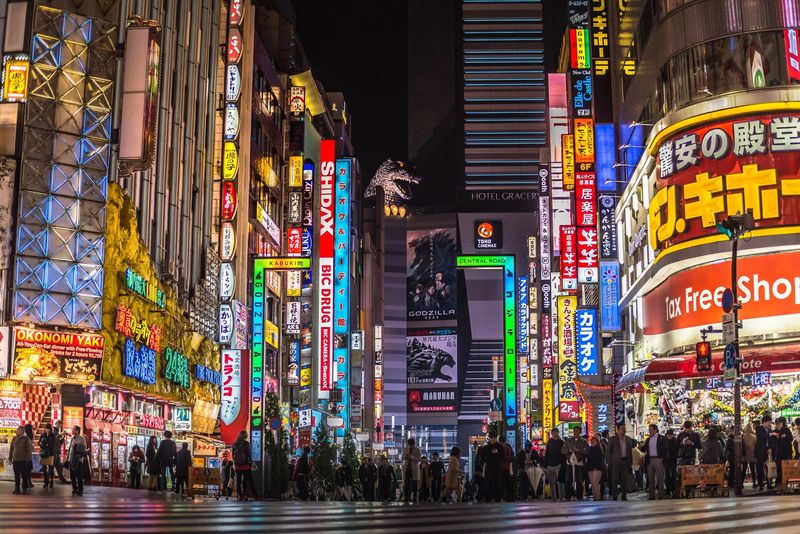
Japan certainly can be expensive. Accommodation in popular cities, long-distance trains and some attractions can quickly increase the cost of a trip.
But eating out surprised me. You can find excellent ramen, curry, sushi and set meals without spending a fortune. Compared with the UK, I found eating out in Japan generally much cheaper, particularly for the quality of food you get.
Of course, luxury restaurants exist, but you absolutely do not need a huge food budget to eat well in Japan.
Mini-markets such as 7-Eleven, FamilyMart and Lawson are also useful for affordable breakfasts, snacks and quick meals.
Make sure you have internet access
I would definitely want mobile data when travelling around Japan. You will probably use Google Maps constantly to work out which train to take, which platform you need, which station exit to use and how to get to your accommodation. Translation apps are also useful for menus, signs and ticket machines.
There is public Wi-Fi in hotels, stations and cafés, but I would not rely on that for the entire trip.
We used an Airalo eSIM, which meant we could install it before travelling and get connected when we arrived without needing to find a physical SIM card. Before buying one, check that your phone is unlocked and supports eSIMs.
Do not try to see all of Japan in one trip
Japan looks relatively small on a map, but there is a huge amount to see. Tokyo alone could keep you busy for a week.
Then you have Kyoto, Osaka, Hiroshima, the Japanese Alps, Hokkaido, Kyushu, Okinawa and countless smaller destinations.
We travelled through several very different parts of the country and each region almost felt like a separate trip. Trying to visit too many cities means spending a large part of your holiday checking out of hotels, carrying luggage through stations and sitting on trains.
For a first trip, I would choose a few destinations that work well together rather than trying to cover the whole country, unless you have several weeks to explore.
Be prepared for crowds
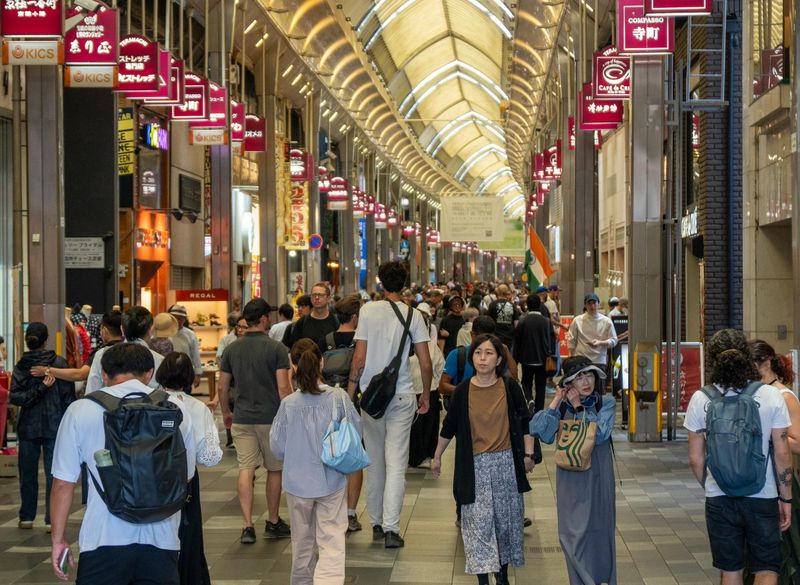
Japan is incredibly popular, and some destinations can become extremely crowded. Kyoto was probably where we noticed this the most.
There are places that look peaceful and almost empty in photographs but feel completely different when you arrive.
Getting up early can help, but it does not guarantee you will have a famous attraction to yourself because everyone has now heard the same advice.
My suggestion is to visit the places you genuinely want to see, but also add less famous neighbourhoods and destinations to your itinerary.
Japan has much more to offer than the same five places we repeatedly see on social media.
The season can completely change your experience in Japan
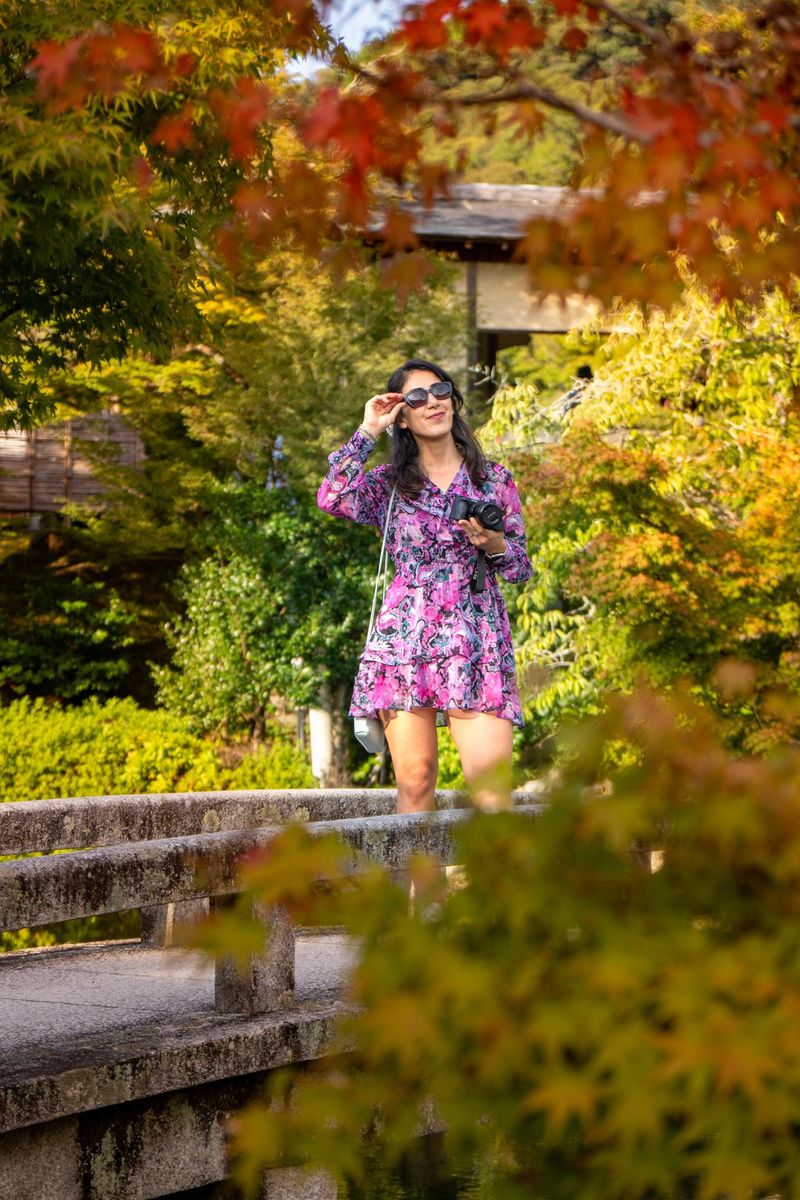
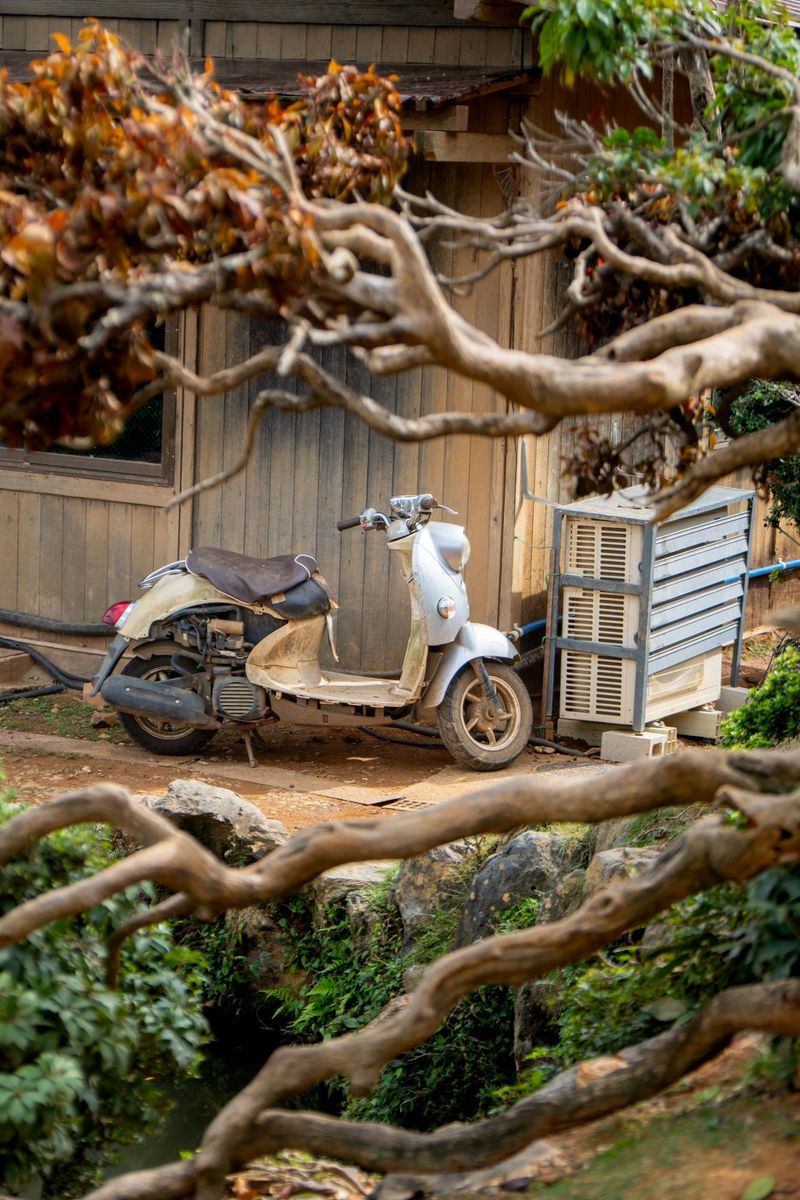
Japan has four distinct seasons, but the weather varies enormously depending on where in the country you are travelling.
Spring is famous for cherry blossoms, while autumn brings beautiful autumn colours. Both are also popular periods to visit.
Summer can be very hot and humid in cities such as Tokyo and Kyoto, so it can be hard if you are not used to the heat.
Winter brings heavy snow to some parts of Japan and creates completely different travel opportunities, including skiing.
Then you have Okinawa, which has a subtropical climate and feels very different from the Japanese Alps. So don't pack for Japan as though the whole country has one climate.
Check the weather for each destination on your itinerary. We needed very different clothing for Tokyo, the mountains and Okinawa.
I have created a free Japan packing list to help you prepare for your trip.
Download my Japan Packing List
How many days do you need in Japan?
For a first visit, I would try to have at least 10 to 14 days if you want to combine several destinations without rushing.
If you only have a week, I would concentrate on one region rather than trying to see Tokyo, Kyoto, Osaka, Hiroshima and several other places in one trip.
If you have three weeks or longer, you can start adding places such as the Japanese Alps, smaller cities or Okinawa without constantly moving.
Is Japan good for solo travellers?
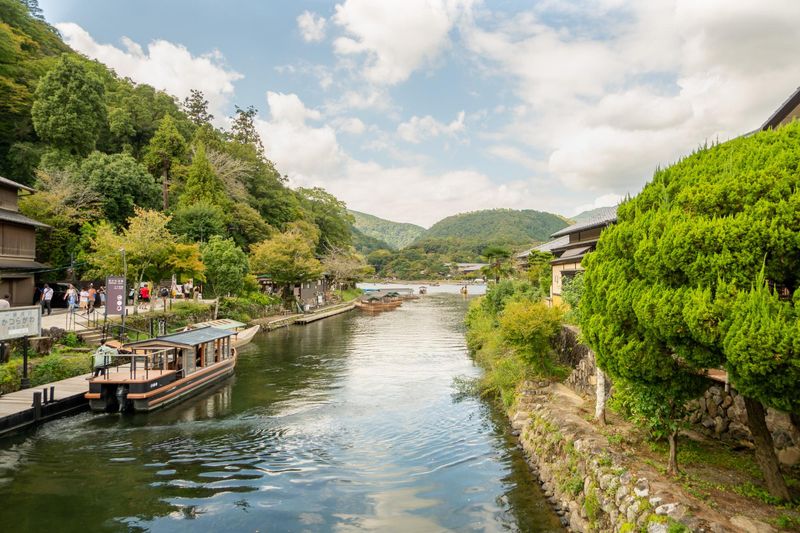
Japan can work extremely well for solo travel. The public transport makes moving around independently relatively easy, and there are plenty of restaurants, hotels and activities suitable for people travelling alone.
As anywhere in the world, I would still take normal precautions and keep travel insurance and emergency information accessible.
Japan is one of those countries where doing a little research before you go makes a huge difference.
Once you understand the public transport, payment system and a few basic customs, it is actually a very easy country to travel around.