

After visiting Zagreb and Plitvice Lakes National Park, our Croatia road trip continued towards the coast, and Zadar was our first proper taste of the Adriatic.
After visiting Plitvice Lakes National Park, our Croatia road trip continued towards the coast, and Zadar was our first proper taste of the Adriatic.
Zadar is one of the oldest coastal cities in Croatia, with a historic Old Town set on a small peninsula, surrounded by the sea on almost every side. It has Roman ruins, medieval churches, Venetian walls, narrow stone streets, and one of the most unique waterfronts in the country, where the waves literally create music through the famous Sea Organ.
But what I liked most about Zadar is that it does not feel like a place where you need a strict plan. You can walk through the old city gates, get lost in the narrow streets, stop for seafood, sit by the water, and end the day watching the sunset, either from the waterfront or, like we did, from a boat.
So, is Zadar worth visiting, especially if you are already planning to visit places like Split, Dubrovnik or the Croatian islands? In this guide, I’ll share what to know before visiting Zadar and how to make the most of your time there.
Quick Zadar Travel Tips
Planning your trip to Zadar? Here are a few useful links to help you book the main things faster.
Where to stay: Accommodation Iva or Teatro Verdi Boutique Hotel
Best things to do: Private Boat Tour
Internet in Croatia: Simify eSIM with Unlimited Data
If you’re planning your own Croatia trip, I’ve also created a free Croatia packing checklist to help you prepare for the national parks, coastal towns, boat trips and changing weather.
Is Zadar Worth Visiting?
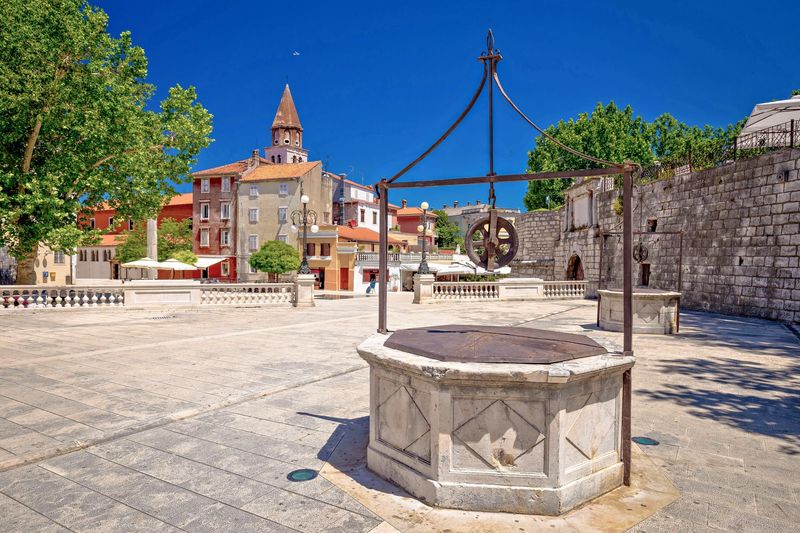
Yes, Zadar is definitely worth visiting. I know when people plan a trip to Croatia, they often think about Split or Dubrovnik first. And of course, those places are popular for a reason. But Zadar has something different. It has the charm of a historic Croatian coastal town, but without feeling as intense or overcrowded as some of the more famous places.
Don’t get me wrong, Zadar is still touristy, especially in summer, but it feels more relaxed and manageable. You don’t feel like you have to rush from one attraction to another or fight through crowds all the time.
The Old Town is beautiful and easy to explore on foot, with Roman ruins, medieval churches, Venetian walls, sea views and narrow stone streets. It also has two of Croatia’s most unique modern attractions: the Sea Organ and the Greeting to the Sun, both right on the waterfront.
Plus, if you are planning a Croatia road trip, Zadar is also a really good stop between Plitvice Lakes, Šibenik, Krka National Park and Split.
Where Is Zadar?
Zadar is located on Croatia’s Dalmatian coast, in northern Dalmatia. It sits between inland Croatia and the southern coastal cities, which makes it a great place to add to a Croatia road trip itinerary.
We drove to Zadar after visiting Plitvice Lakes National Park, and the drive took us less than two hours. From Zadar, you can continue south towards Šibenik, Krka National Park, Split and the islands.
Zadar also has ferry and boat connections to nearby islands, including Ugljan, which is one of the easiest islands to visit from the city.
How Many Days Do You Need in Zadar?
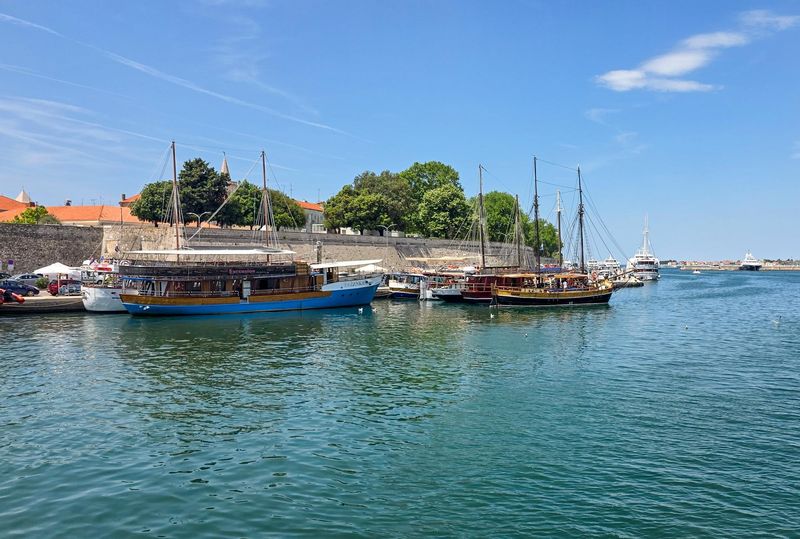
You can see the main sights in Zadar Old Town in one full day.
The Old Town is small, compact and very walkable, so you don’t need a lot of time to explore it. To be honest, there isn’t a huge list of attractions to tick off. Zadar is more about wandering through the old streets, seeing the main historic sights, stopping for food, taking photos, sitting by the sea and enjoying the atmosphere.
We only stayed one night in Zadar because we had a multi-day sailing trip planned later in our Croatia itinerary, so for us, one night worked well.
But if you have more time, I think two nights in Zadar is better. It gives you a chance to slow down, enjoy the city without rushing, take a longer boat trip, or even use Zadar as a base for a day trip.
Where to Stay in Zadar
If you are visiting Zadar for the first time, you can stay either inside the Old Town or just outside it. The Old Town is the best option if you want to be close to the main sights, restaurants, the Sea Organ and the waterfront, but keep in mind that the streets are mostly cobbled and pedestrian-friendly.
Since we had a car, we stayed just outside the Old Town at Accommodation Iva, and it worked really well for us. We had a great sea view and a view towards the Old Town, and we could still walk into the historic centre easily.
If you prefer to stay inside the Old Town, have a look at Teatro Verdi Boutique Hotel, Almayer Art & Heritage Hotel or Heritage Hotel Bastion.
Best Things to Do and See in Zadar
Explore Zadar Old Town
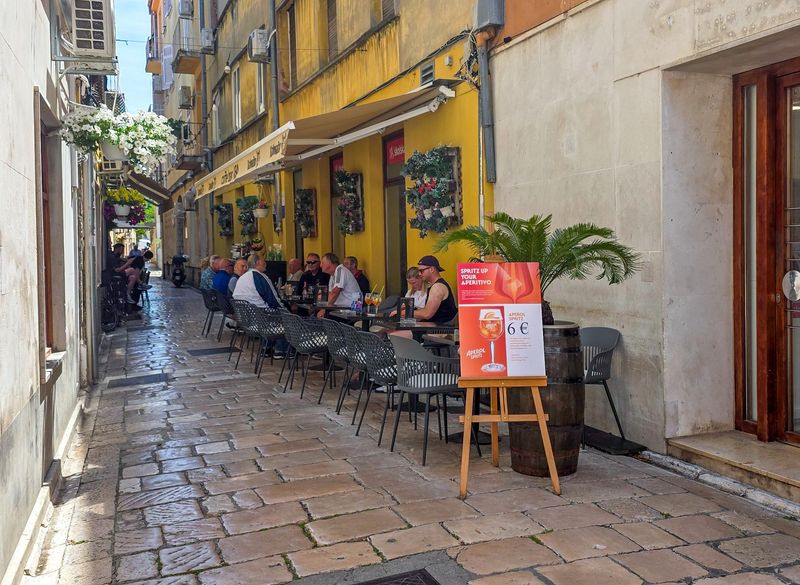
Zadar Old Town sits on a small peninsula, surrounded by the Adriatic Sea on almost every side. When you enter through the old city walls, it almost feels like you are stepping onto a little island of history.
The Old Town is compact, walkable and mostly car-free, which makes it very easy to explore on foot. You don’t need a strict itinerary here. Some of the best moments come from wandering through the narrow streets, stopping for photos, finding a café or sitting by the sea.
Zadar has layers of history, and you can see Roman, Venetian and Croatian influences all in one small area.
Visit the Roman Forum and St Donatus Church
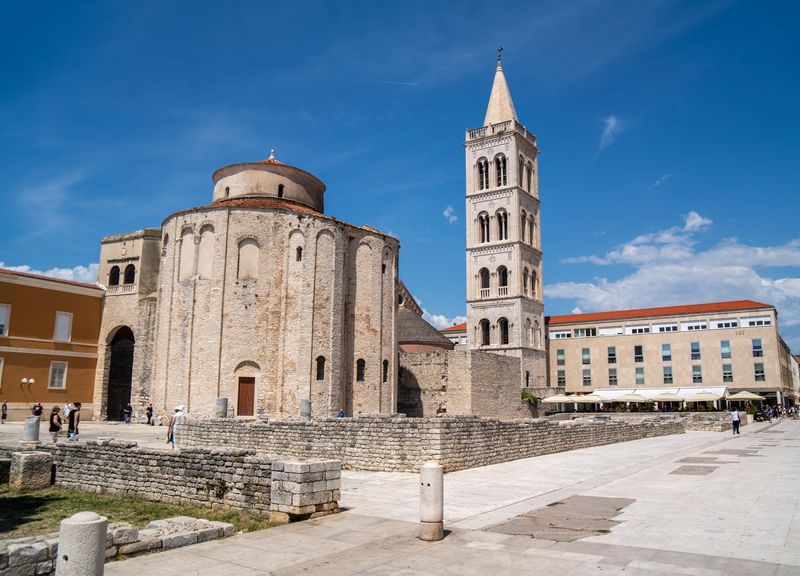
One of the most interesting areas to visit in Zadar Old Town is the Roman Forum and St Donatus Church, because they are right next to each other and show two very different layers of the city’s history in one place.
What I liked about this area is that it doesn’t feel like a separate museum or a closed-off attraction. The ruins are just part of the city. People walk through them, sit nearby, take photos, and carry on with their day.
Next to the forum is St Donatus Church, one of the most recognisable buildings in Zadar. Its round shape makes it stand out immediately, and even if you don’t go inside, it is worth seeing from the outside.
This is one of those places where you really feel how old Zadar is, because you have Roman ruins, medieval architecture and everyday city life all in the same square.
Listen to the Sea Organ
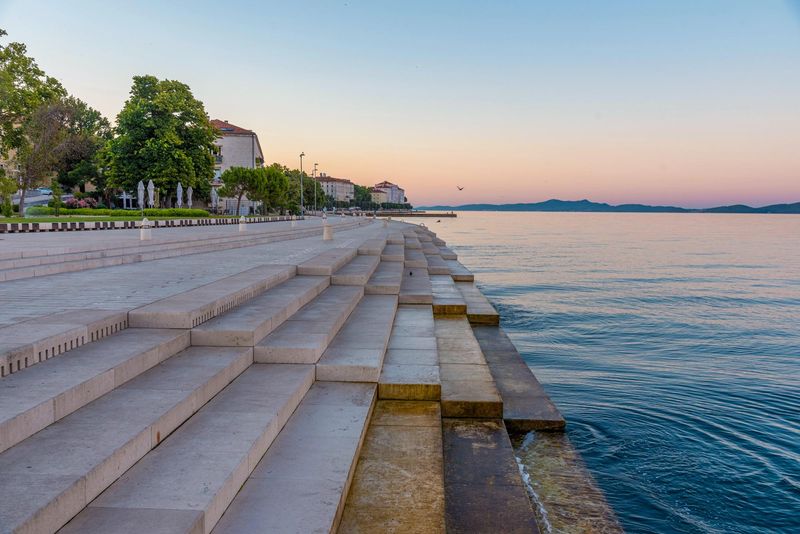
The Sea Organ is probably the most famous attraction in Zadar, and it is also one of the most unusual things to do in Croatia.
It is an architectural sound installation built into the waterfront steps. As the waves move, air is pushed through pipes under the steps, creating music from the sea. The sound changes depending on the movement of the water, so it never sounds exactly the same. The Zadar Tourist Board lists the Sea Organ together with the Greeting to the Sun as one of the city’s key waterfront experiences.
The best thing to do is sit on the steps for a few minutes and just listen. It is especially nice around sunset, but it can also get busy, so go earlier if you want a quieter experience.
Visit the Greeting to the Sun
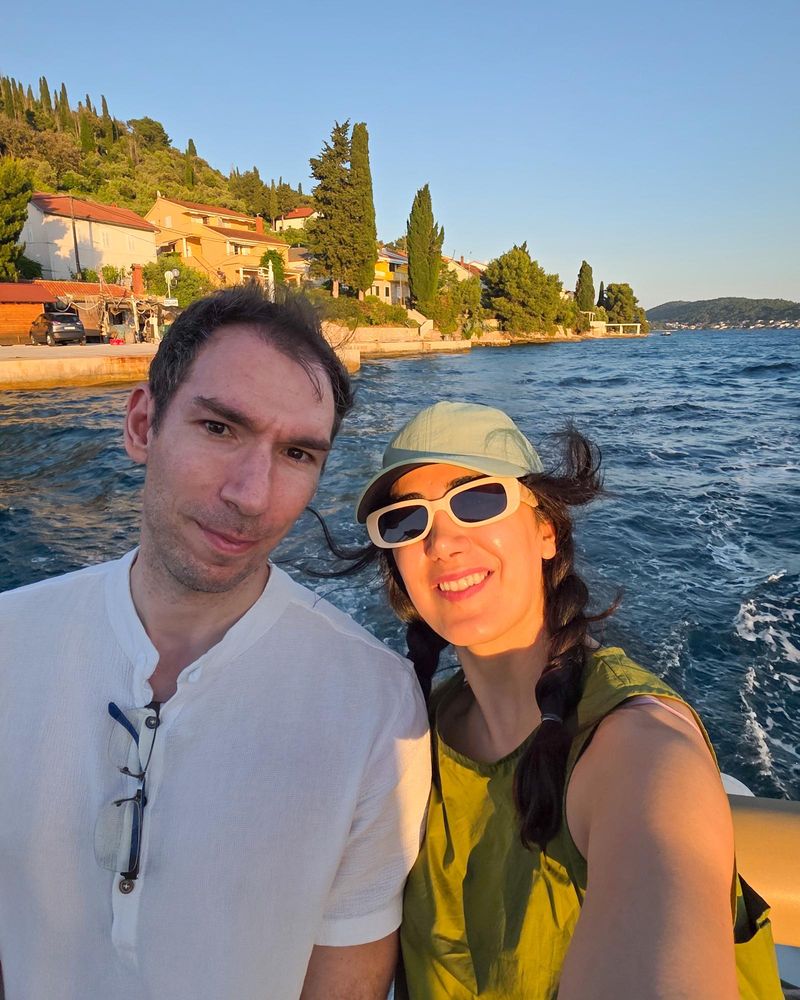

Right next to the Sea Organ is the Greeting to the Sun, another modern installation on Zadar’s waterfront.
During the day, it collects solar energy, and after dark it creates a light display. The installation is one of the city’s most popular modern attractions and is designed to work together with the Sea Organ and the sunset atmosphere on the waterfront.
If you are visiting Zadar in the evening, it makes sense to see both the Sea Organ and the Greeting to the Sun at the same time.
Take a Boat Tour to the Nearby Islands
One of the best things to do in Zadar is to take a boat tour to the nearby islands.
Croatia has more than a thousand islands and islets, so boat trips are a big part of travelling along the coast. Within a short boat ride from Zadar, you can visit small islands, quiet harbours, swimming spots and places that feel much slower than the city.
Boat trips from Zadar are also relatively inexpensive compared to many other European coastal destinations, which is why we decided to take a private tour.
Hiring a private boat gave us more flexibility, and we didn’t feel rushed. We could spend longer in the places we liked, move on more quickly if we wanted to, stop for photos, go for a swim and enjoy the islands at our own pace. We also watched the sunset from the sea, which made the whole experience feel even more special.
Our tour took us to Preko on Ugljan Island and the tiny island of Ošljak. We were also meant to visit one more island, but the weather changed, so our captain decided it was better to slowly head back towards Zadar.
But for me, that is part of the experience. You are out on the water, you don’t control everything, and sometimes the unplanned moments become the best part of the day.
Watch the Sunset from the Sea
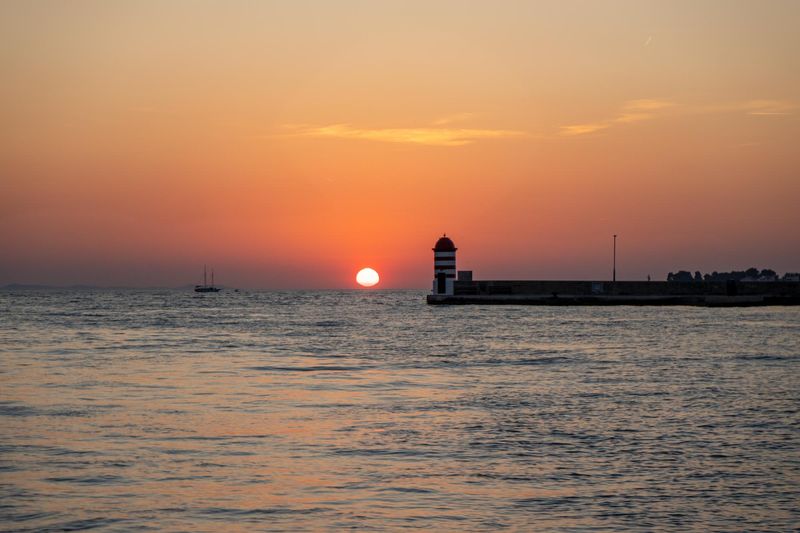
Zadar is famous for its sunsets, and the waterfront near the Sea Organ is one of the most popular places to watch the sun go down.
But if you want to do something a little different, I really recommend watching the sunset from the sea.
You don’t necessarily need to book a long boat trip. There are short sunset cruises from Zadar, including traditional boat cruises that last around 1.5 hours and usually include wine or drinks on board. This can be a good option if you want the sunset experience without spending half a day on a boat.
We joined a longer private boat tour, but watching the sunset from the water was honestly one of my favourite moments in Zadar. Seeing the Old Town from the sea, the sky changing colour, and the sun going down over the Adriatic felt fun, romantic and a little bit magical at the same time.
Take a Day Trip to Plitvice Lakes National Park
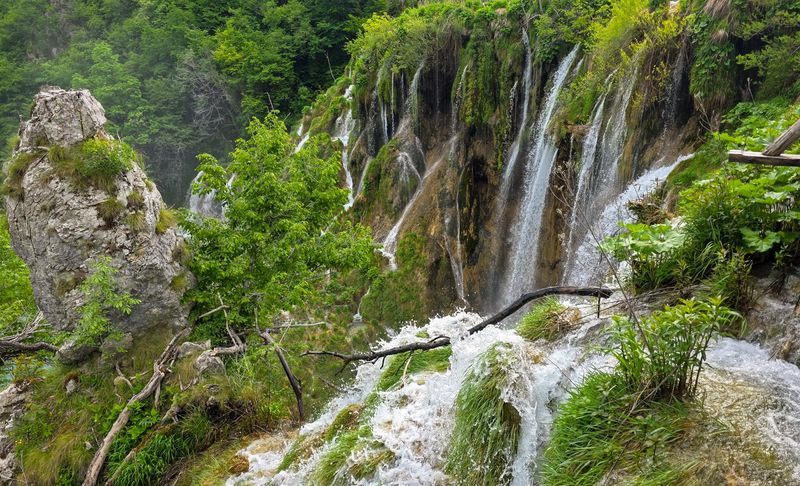
If you are staying in Zadar for more than one night, you can also visit Plitvice Lakes National Park as a day trip.
Plitvice is one of the most famous places in Croatia, and for a good reason. It is known for its turquoise lakes, waterfalls and wooden walking paths, and it is one of the most beautiful national parks I have ever visited.
The drive from Zadar to Plitvice Lakes is pretty straightforward, and it usually takes around two hours. If you have a car, I would recommend leaving early so you can arrive at the park before the biggest crowds. Plitvice gets very busy, especially in summer, and getting there early makes a big difference. We actually stayed there two nights.
But if you are staying in Zadar and don’t have a car, joining a day tour is the easiest option. That way, you don’t need to worry about driving, parking or organising transport yourself.
Take Photos Around Zadar Old Town
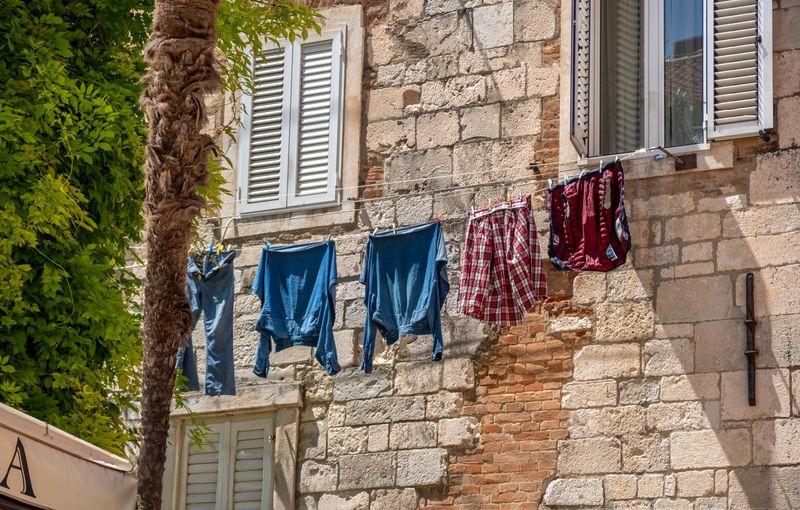
Zadar Old Town is a great place for photography, especially if you enjoy historic streets, sea views, old stone buildings and warm coastal light.
During the day, you can photograph the Roman Forum, St Donatus Church, the city gates, narrow streets and the waterfront. But I think Zadar becomes even more beautiful later in the day, when the sun starts to go down and the light turns softer and warmer.
Golden hour is the best time to walk around with your camera or phone. The stone streets, old buildings and sea views look much better in soft light, and the waterfront becomes one of the best places in the city for sunset photos.
Do You Need a Car in Zadar?

You do not need a car to explore Zadar Old Town. In fact, once you are in the Old Town, walking is the best way to get around.
But if Zadar is part of a bigger Croatia road trip, having a car is very useful.
We had a car because we were travelling from Zagreb to Plitvice Lakes, then Zadar, Šibenik, Krka National Park and further along the Croatian coast. For that kind of itinerary, driving gives you much more flexibility.
For renting a car, I recommend using comparison websites like Discover Cars or Rentalcars.com so you can compare prices, car types, rental conditions and customer ratings before booking. This is especially useful in Croatia, where prices can change a lot depending on the season.
Internet in Croatia: Do You Need an eSIM?
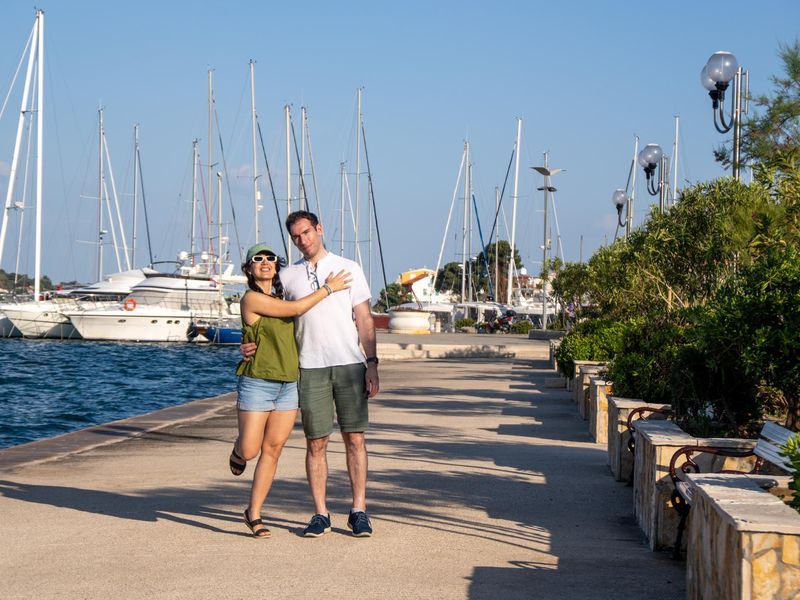
Most hotels, cafés and restaurants in Croatia have free Wi-Fi, especially in popular places like Zadar. But I always prefer to have my own internet connection when I travel, especially on a road trip.
During our Croatia road trip, I used a Simify eSIM plan for two weeks, with unlimited data, and it made travelling much easier. We used it for Google Maps, checking routes, finding parking, looking up ferry times, booking tickets, choosing restaurants and staying connected while moving between destinations.
The connection was good almost everywhere, even when we were on a boat trip near Zadar, which honestly surprised me.
Best Time to Visit Zadar
The best time to visit Zadar is late spring or early autumn.
May, June, September and early October are good months because the weather is usually warm, but the city is not as busy as peak summer.
July and August are the busiest months. They are good for swimming, boat trips and summer atmosphere, but they can also be hotter, more crowded and more expensive.
We visited Croatia at the end of May and beginning of June, and for us, this was a great time for a road trip. The weather was warm, but we were still outside the busiest summer period.
Is Zadar Better Than Split or Dubrovnik?
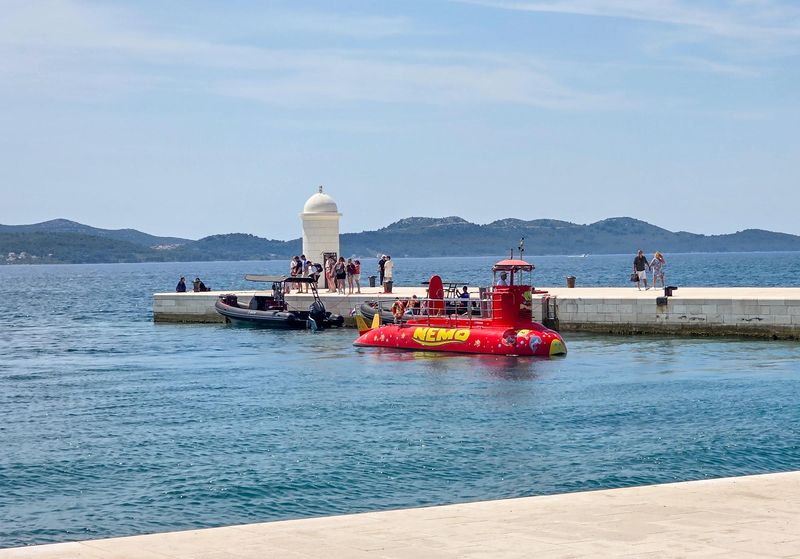
Zadar is not better or worse than Split or Dubrovnik. It depends on what kind of trip you want.
Dubrovnik is more dramatic and famous, with its impressive city walls and Game of Thrones connection. Split has more energy, a bigger city feel and lots of ferry connections to islands.
Zadar feels more relaxed and manageable. It is easier to explore in a short time, and it works really well as part of a road trip.
If you want a coastal city with history, sunsets, island trips and a slower pace, Zadar is a great choice.
Is Zadar Expensive?
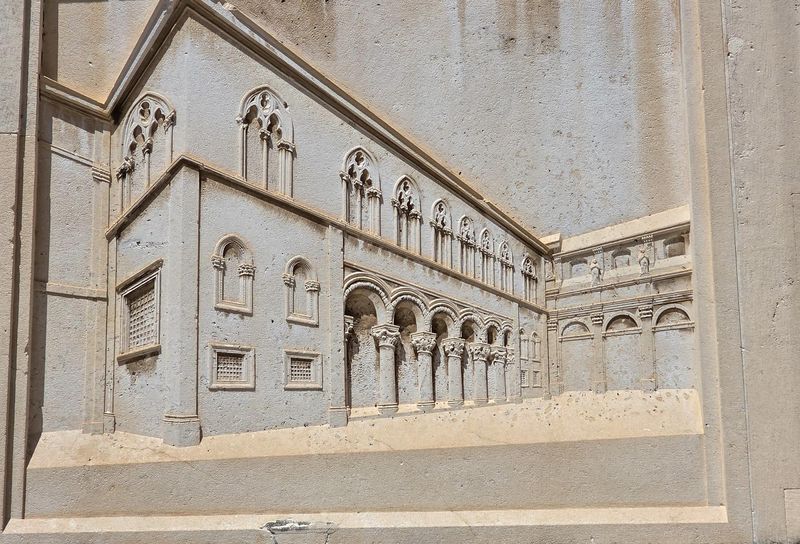
Zadar can feel more affordable than Dubrovnik, especially when it comes to accommodation and food, but prices depend a lot on the season.
Like most places in Croatia, Zadar is more expensive in July and August. If you visit in late spring or early autumn, you are more likely to find better accommodation prices and fewer crowds.