

Croatia is one of those countries that has a little bit of everything. Beautiful beaches, historic towns, islands, national parks, waterfalls and plenty of outdoor adventures. But what I like most about Croatia is that you can have completely different experiences on the same trip.
During our visit, Bruno and I spent ten days road-tripping around Croatia. We started in Zagreb, drove inland to Plitvice Lakes National Park and then continued towards the Adriatic coast, visiting Zadar, Šibenik, Krka National Park, Split and Trogir.
After our road trip, Bruno had to return home for work, but my adventure wasn't over. I joined a group sailing trip on my own, exploring Croatian islands, swimming in beautiful bays and experiencing a completely different side of the country.
Having travelled around Croatia by both road and sea, I believe it is a fantastic destination for anyone who enjoys combining sightseeing, nature and adventure.
However, there are a few things worth knowing before you go. Croatia is not as cheap as it once was, popular attractions can get incredibly busy in summer, and getting around the islands requires a little planning.
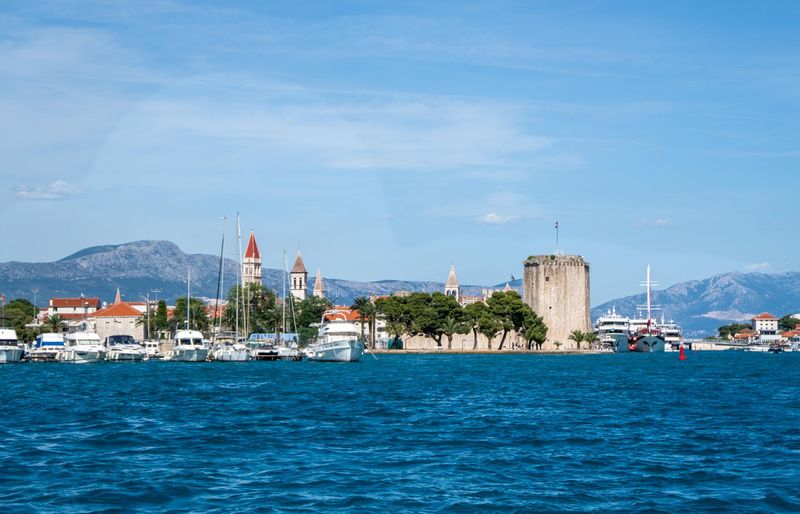
In this Croatia travel guide, I am sharing 20 things you should know before visiting Croatia, including the best time to visit, driving, costs, food, where to stay, sailing, internet access and some of my favourite experiences.
To make planning easier, I’ve also created a free Croatia packing checklist to help you pack for national parks, coastal towns, boat trips, waterfalls and road trips.
This post contains affiliate links, and if you click one, I may receive a small commission at no extra cost to you.
Quick Croatia Travel Tips
If you are short on time, here are my main recommendations for planning your trip.
Best time to visit: May, June and September for pleasant weather and fewer crowds
How long to stay: Ideally 7–10 days for a road trip, or two weeks if you want to explore more of the country and some islands.
Currency: Euro (€).
Getting around: Renting a car is a great option for a road trip, but you don't need one if you are staying in one city.
Car rental: Compare car rental prices on Rentalcars or Discovercars
Internet: I used Simify during our Croatia trip and had a great experience. Use code Mansoureh for a discount.
Travel insurance: SafetyWing is one option worth considering, especially if you are planning a longer trip or outdoor activities.
My must-visit attraction: Plitvice Lakes National Park.
My recommended experience: Take a road trip along the coast or spend a few days sailing around the Croatian islands.
When Is the Best Time to Visit Croatia?
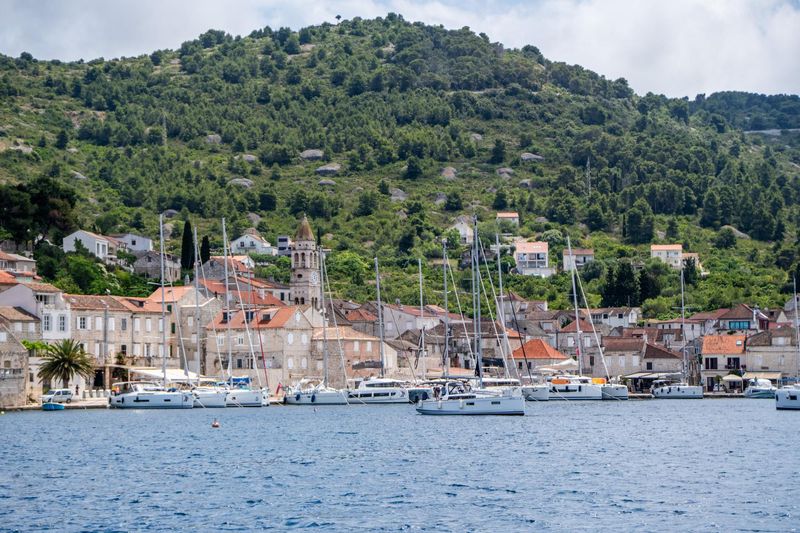
The best time to visit Croatia depends on what you want to do, but for most travellers, I would recommend May, June or September.
These months generally offer a good balance of pleasant weather, fewer crowds and lower accommodation prices compared with the peak summer season.
We visited Croatia in late May and early June, and it was already very hot. While we explored Plitvice Lakes National Park, the temperature was around 30°C, which made walking for several hours quite tiring.
July and August are the busiest months in Croatia, particularly along the coast and on popular islands such as Hvar and Brač. This is when you can expect higher hotel prices, crowded beaches and busy attractions.
Of course, if your main goal is swimming, spending time at the beach or sailing, summer is a good time to visit. The sea is generally warmer, and there are plenty of boat trips and activities available.
For a road trip that includes historic towns, hiking and national parks, I would personally prefer late May, June or September.
April and October can also be lovely, especially for sightseeing, but the weather is less predictable, and some island tours and seasonal businesses may operate less frequently.
Winter is much quieter. Cities such as Zagreb still have plenty to offer, but many coastal destinations feel completely different outside the tourist season.
How Many Days Do You Need in Croatia?
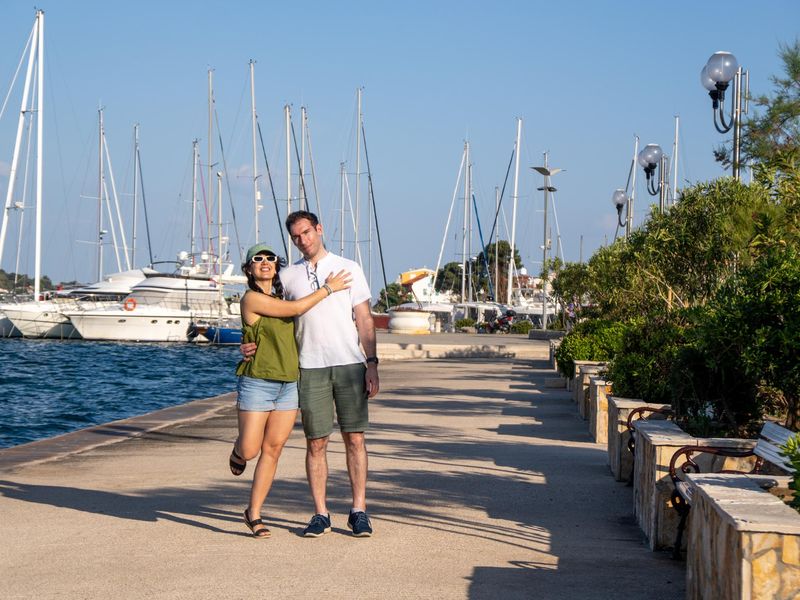
I would recommend at least 7–10 days for your first trip to Croatia, especially if you want to explore more than one destination. I spent 2 weeks so I ahad time to join a sailing trip in the country.
Croatia is not a huge country, but there is a lot to see, and travelling between the mainland and islands takes time.
If you only have five days, I would concentrate on one area. For example, you could stay in Split and visit Trogir, Krka National Park and one of the nearby islands.
With seven days, you could explore part of the Dalmatian coast, combining historic towns, national parks and a boat trip.
Ten days is a good amount of time for a road trip. This is what Bruno and I did, travelling from Zagreb towards the coast and stopping at several destinations along the way.
If you have two weeks, you can add more islands, spend longer in your favourite places or continue south towards Dubrovnik.
One mistake I would avoid is trying to see the entire country in a week. You might technically manage to visit several famous attractions, but you would spend a large part of your holiday travelling, packing and checking into hotels. I would rather visit fewer places and have enough time to enjoy them.
Croatia Uses the Euro
If you have read older Croatia travel guides, you might still see references to the Croatian kuna. However, Croatia officially adopted the euro on 1 January 2023, so you no longer need to exchange money into kuna.
You can pay by card in most hotels, supermarkets, larger restaurants and tourist attractions, especially in the main cities and popular coastal destinations.
However, I would still carry some cash. You may need it for smaller cafés, local markets, parking or small businesses, particularly on islands or in less touristy areas.
I usually prefer paying by card when travelling, but having €20–€50 in cash is useful for smaller purchases.
Is Croatia Expensive?
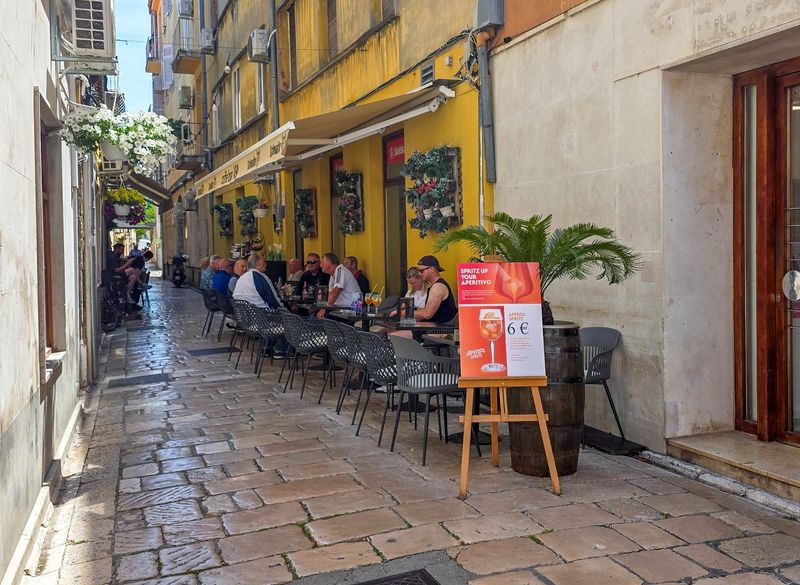
Croatia has a reputation for being an affordable European holiday destination, but I don't think that is entirely accurate anymore.
It is certainly not as cheap as it used to be.
Popular coastal destinations such as Dubrovnik, Split and Hvar can be expensive, especially during July and August. Accommodation, restaurants, beach clubs and boat trips can quickly increase your budget.
That doesn't mean you need a huge amount of money to visit Croatia.
Compared with some other popular Western European holiday destinations, it can still be relatively affordable, particularly if you travel outside the peak season and choose your accommodation carefully.
Prices also vary enormously depending on where you go.
You will generally find better value in smaller towns, inland destinations and places away from the busiest tourist areas.
If you are travelling on a budget, I recommend booking accommodation early, visiting in the shoulder season, staying in apartments with kitchen facilities and choosing a mixture of free activities and paid experiences.
One thing I wouldn't try to save money on is every single experience. Some activities, such as visiting Plitvice Lakes or taking a boat trip around the islands, are worth including in your budget.
Driving in Croatia Is a Great Way to Explore
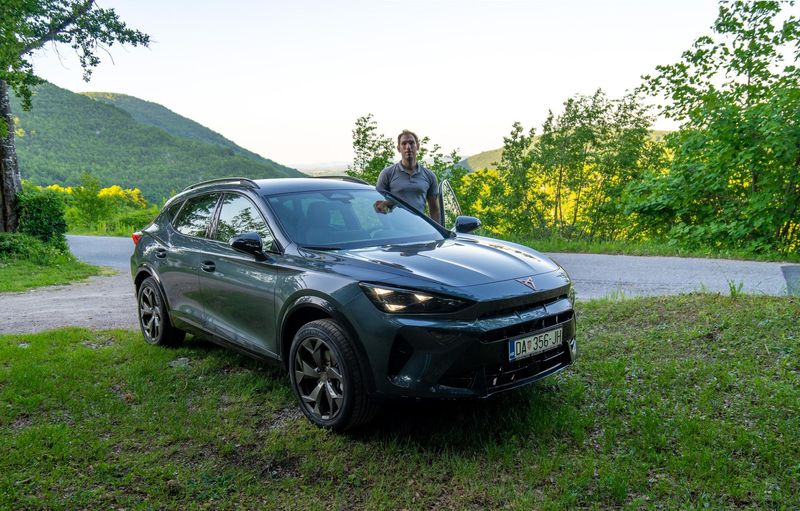
One of the best decisions we made was renting a car for our Croatia road trip. We picked up our rental car in Zagreb and used it to travel between cities, national parks, small villages and the coast. Having a car gave us much more freedom.
We didn't need to organise our entire itinerary around bus schedules, and we could stop somewhere interesting along the way.
For example, on our journey towards Plitvice Lakes, we visited Rastoke, a small village known for its traditional watermills and waterfalls. We liked it enough to return another time for dinner. We also explored places around Plitvice that would have been much harder to reach without a car.
Croatia drives on the right-hand side of the road, which is worth remembering if you are visiting from the UK. The main motorways are generally in good condition, but some roads along the coast and in rural areas can be narrower or more winding.
Motorway Tolls in Croatia
Many Croatian motorways have tolls, so remember to include them in your road trip budget.
On most major toll motorways, you collect a ticket when entering and pay when you leave, based on the distance travelled and vehicle category. You can generally pay by card or cash.
You should also budget for fuel and parking, particularly in popular cities.
I recommend checking the current toll rates on the Croatian Motorways website before travelling.
Parking Can Be Challenging
Parking is something you should think about before booking accommodation.
Historic centres such as Split, Zadar, Trogir and Dubrovnik often have restricted vehicle access, and finding a parking space nearby can be difficult during summer.
When booking accommodation, check whether parking is included and how far it is from the property. My recommendation is to explore historic city centres on foot and use your car for travelling between destinations.
Compare rental car prices in Croatia
6. You Don't Need a Car Everywhere in Croatia
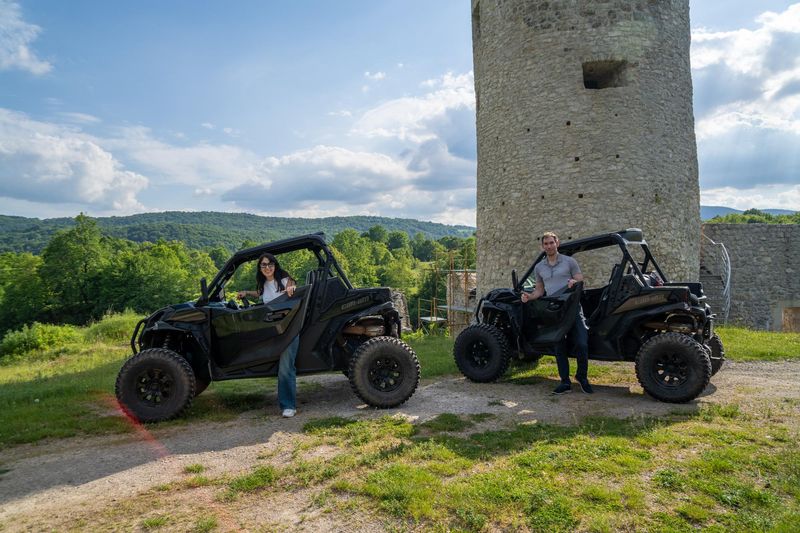
Although I highly recommend renting a car for a road trip, I wouldn't say everyone needs one.
If you are spending a few days in Split, Dubrovnik, Zagreb or Zadar, you can explore many of the main attractions on foot.
You can also travel between major destinations by intercity bus. Croatia has a network of bus services connecting cities and towns, although journey times and frequencies vary.
There are also organised day trips to popular attractions, including Plitvice Lakes and Krka National Park.
For example, if you are staying in Zadar and want to visit Plitvice Lakes without renting a car, you can join a day tour that includes transport.
This is a practical option if you don't want to drive or organise everything yourself.
I personally prefer exploring independently when possible, but I also think guided tours are useful when they make a destination easier to visit or add something to the experience.
For the islands, you will need to use ferries, catamarans or boat tours, depending on where you want to go.
Croatia Is Perfect for a Road Trip
Croatia is one of those countries where the journey between destinations can be just as interesting as the places themselves. During our ten-day road trip, we explored very different parts of the country.
We started in Zagreb, which felt completely different from the coastal Croatia most visitors imagine. From there, we drove to Rastoke and Plitvice Lakes National Park before continuing towards Zadar, Split and the Dalmatian coast. We also explored Šibenik, Krka National Park, Split and Trogir.
One thing I loved about this route was the variety. One day we were walking through a national park surrounded by waterfalls, and another day we were exploring Roman ruins or wandering around a historic coastal town.
If you are planning your own road trip, I recommend choosing a few main destinations and allowing time for smaller stops along the way.
You can find more inspiration in my Zagreb travel guide, Zadar travel guide and Plitvice Lakes guide.
Don't Miss Croatia's National Parks
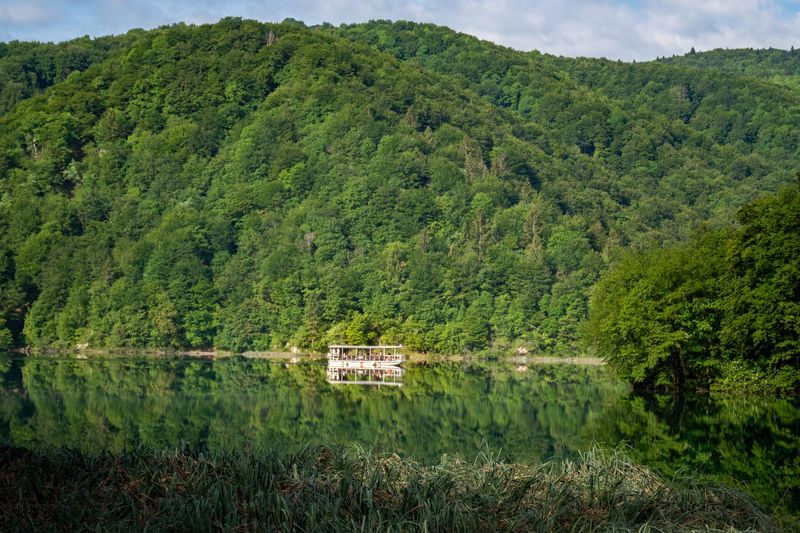
Many people visit Croatia for its beaches and islands, but I think the national parks are among the country's biggest highlights.
Croatia has eight national parks, and some of them offer completely different experiences from the coast.
Plitvice Lakes National Park
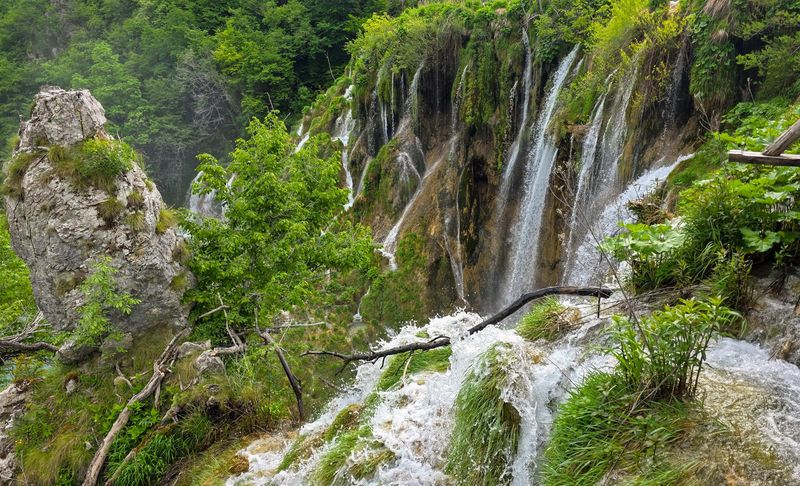
Plitvice Lakes was one of the highlights of our road trip and is one of the most beautiful national parks I have visited. It is famous for its turquoise lakes, waterfalls, wooden walkways and forest trails.
We spent two nights near the park rather than visiting on a day trip, and I was really glad we made that decision.
It meant we could enter early and explore without having to rush back to another city. One thing you should know is that Plitvice gets very crowded, particularly in summer.
We arrived early, but even then, tour groups started entering the park around 8:30 am. Later in the day, some of the boat queues were very long.
I recommend booking your entrance ticket in advance and choosing an early time slot. Also, swimming in Plitvice Lakes is strictly prohibited.
Read my full Plitvice Lakes travel guide for the different routes, entrances and tips for avoiding the crowds.
Krka National Park
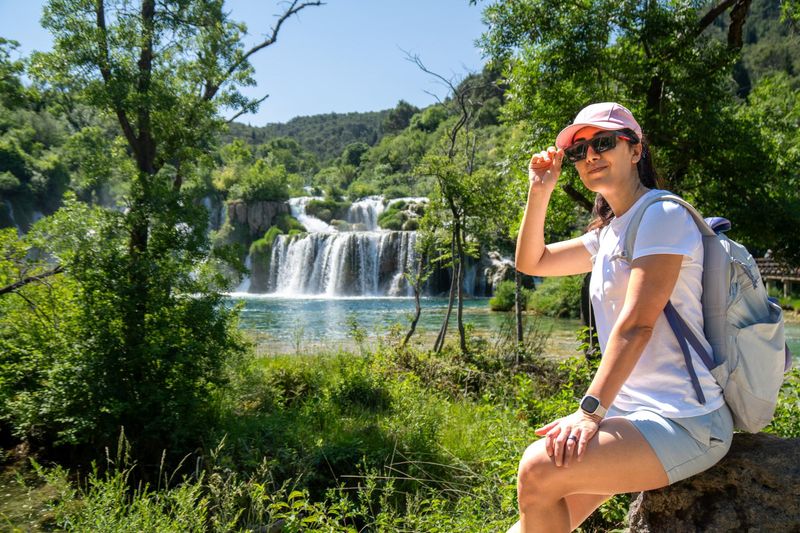
Krka National Park is another popular destination, particularly if you are staying near Šibenik, Zadar or Split.
It is known for its waterfalls, walking paths and natural scenery, with Skradinski Buk being one of its most famous attractions.
You can explore the park independently or join an organised excursion from nearby cities.
Just remember that swimming is not permitted at Skradinski Buk, despite what you might see in older photographs and travel guides.
If you love nature and outdoor activities, I would recommend including at least one national park in your Croatia itinerary.
Sailing Is One of the Best Ways to Experience Croatia
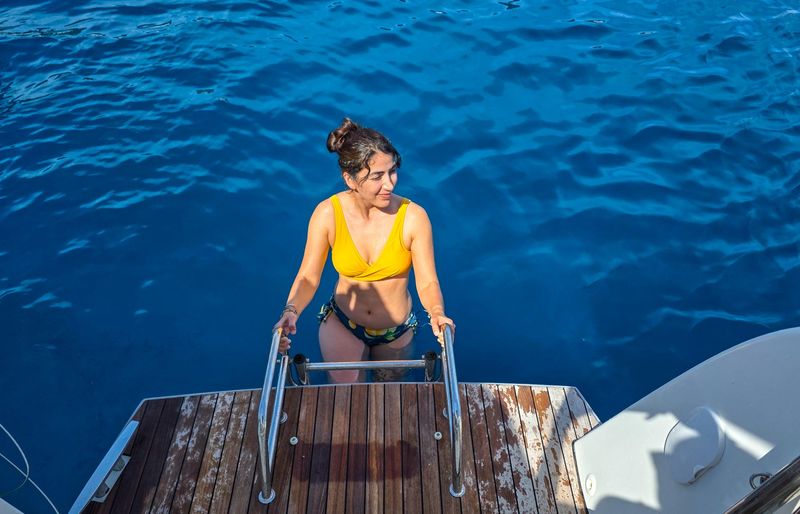
Before visiting Croatia, I knew that sailing was popular, but I didn't realise how accessible sailing holidays could be. I had always imagined that you needed sailing experience or had to charter an entire yacht with a group of friends. But that's not necessarily true.
After our road trip, I joined a group sailing holiday with More Sailing. Bruno had returned home, so I went on my own, despite having no previous sailing experience.
I was nervous before joining the group, but it turned out to be one of the most memorable parts of my Croatia trip. We explored islands, swam in beautiful bays and visited places such as Vis and Brač.
One of the things I liked most was that I didn't have to organise the sailing route myself. We had an experienced skipper, and I could simply enjoy the experience. I sailed with More Sailing, and if you would like to try one of their trips yourself, you can use my code mansoureh5 for 5% off any sailing trip..
I have written a separate article about what sailing in Croatia is really like, including the cabins, meals, costs and things that surprised me. You can also read my Mediterranean sailing packing if you are planning a similar experience.
Croatia Has More Than 1,000 Islands
Croatia has more than 1,200 islands, islets and reefs, although only a relatively small number are inhabited. This is one reason why island hopping is such a popular activity.
Some of the best-known islands include Hvar, Brač, Vis and Korčula, but there are many smaller islands worth exploring too.
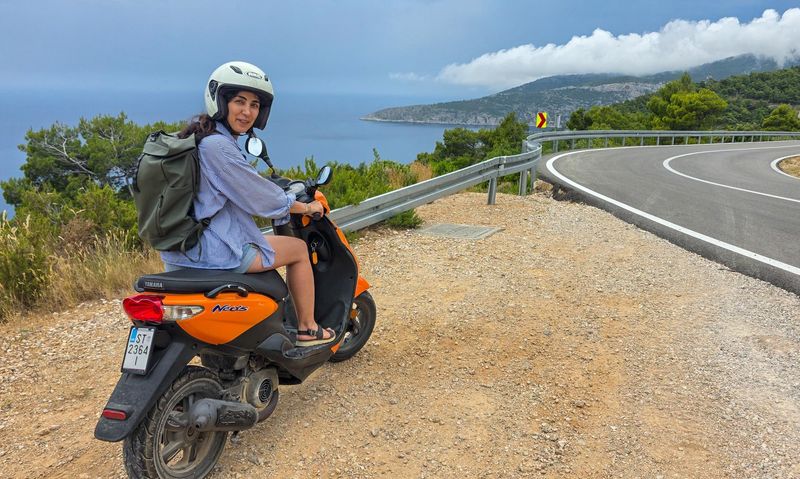
During my sailing trip, I visited Vis and Brač, and it was lovely to experience places that felt different from the mainland. On Vis, we even hired scooters to explore more of the island.
If you are not joining a sailing trip, you can still visit many islands using public ferries and catamarans. Jadrolinija is one of the main ferry operators in Croatia, connecting the mainland with numerous islands.
Just remember that not every ferry carries cars, and services can be less frequent outside summer.
Some tickets are valid for a specific sailing, while other routes have different boarding arrangements. Always check the conditions when booking. If you are travelling with a rental car, check whether your rental company allows you to take it on ferries.
Croatia Is a Great Destination for Outdoor Adventures
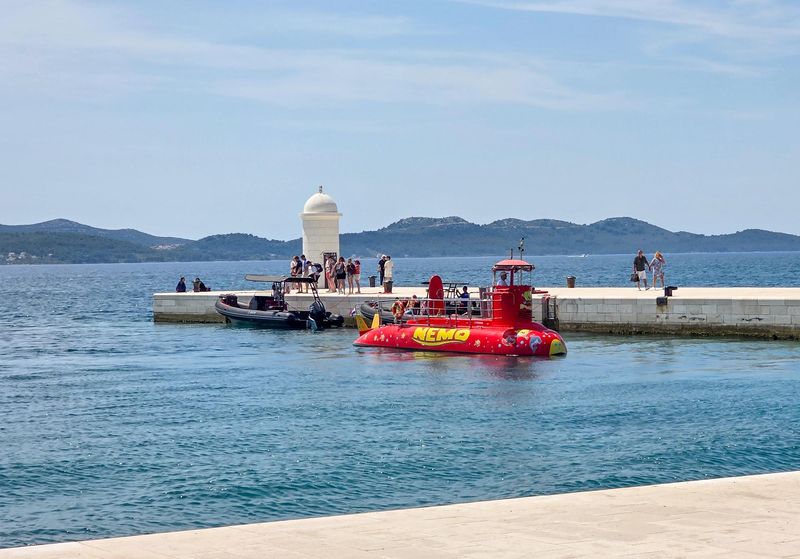
If you enjoy outdoor activities, Croatia has much more to offer than beaches and sightseeing.
During our trip, we explored national parks, walked through forests and waterfalls, joined a buggy tour near Plitvice Lakes and spent time sailing and swimming around the islands.
Near Plitvice, we also explored the area around the abandoned Željava Air Base, which was a very different experience from visiting the national park itself. Other popular activities include sea kayaking, zip lining, rafting, cycling, hiking and snorkelling.
If you are visiting the Dalmatian coast, sea kayaking can be a particularly good way to see the coastline from a different perspective. You can find organised kayak excursions in places such as Dubrovnik, Split and around the islands.
There are also rafting trips on the Cetina River near Omiš, which could be a good addition if you are staying around Split and want something more adventurous than a traditional sightseeing tour.
Outdoor experiences worth considering:
Cetina River rafting near Omiš
Sea kayaking tour in Dubrovnik
Kayaking experience near Split
My advice is to include at least one outdoor activity in your itinerary, even if you don't usually plan adventure holidays.
Croatian Beaches Are Often Pebbly or Rocky
One thing worth knowing before visiting Croatia is that many beaches are not sandy. You will find plenty of beautiful beaches, but many have pebbles, rocks or stone platforms rather than soft sand.
This is not necessarily a bad thing. Croatia is famous for its clear water, and some rocky beaches are excellent for swimming and snorkelling. However, I would recommend bringing water shoes.
They make getting in and out of the sea much more comfortable, especially when walking over sharp stones or slippery rocks.
Sea urchins can also be found in parts of the Adriatic, so take care where you step.
If you prefer sandy beaches, do a little research before choosing your accommodation because not every coastal destination has one nearby.
Croatian Food Is Worth Exploring

Croatian food varies depending on where you are in the country. Along the coast, there is a strong Mediterranean influence, with plenty of seafood, grilled fish, olive oil and vegetables.
Inland Croatia has more hearty dishes, including meat, stews and traditional pastries.
One dish worth trying is peka, which usually consists of meat or octopus cooked slowly with potatoes and vegetables under a bell-shaped metal lid covered with hot embers. It often needs to be ordered in advance, so check with the restaurant.
Another popular dish is pašticada, a slow-cooked beef dish from Dalmatia, commonly served with gnocchi.
You will also find ćevapi, small grilled minced-meat sausages popular across the Balkans, usually served with bread and accompaniments.
In coastal towns, look for black risotto, made with cuttlefish ink, and brudet, a traditional fish stew.
If you are visiting Zagreb, try štrukli, a traditional pastry dish filled with cheese, which can be baked or boiled. When we visited Zagreb, one of my favourite things to do was explore Dolac Market. It's a good place to see local produce and get a sense of everyday life in the city.
I would also recommend trying smaller local restaurants rather than eating every meal in the busiest tourist squares.
Look for a konoba, a traditional Croatian-style tavern, where you may find regional dishes and a more relaxed atmosphere.
Consider Taking a Food Tour

If you enjoy trying local food but don't know where to start, a food tour can be a good introduction to Croatian cuisine.
You can find walking food tours in Zagreb, Split and Dubrovnik, often combining local dishes with information about the city's history and culture.
14. Where You Stay in Croatia Makes a Difference
Croatia has a wide range of accommodation, including hotels, boutique guesthouses, apartments, villas and campsites.
Where you stay can make a big difference to your experience, particularly if you are planning a road trip.
I would recommend staying in or near historic centres when visiting cities, so you can explore on foot without constantly moving your car.
However, if you are visiting national parks, staying outside the city can be a better choice. For example, we spent two nights at B&B Plitvica Lodge in Plitvica Selo, near Plitvice Lakes National Park. We loved the peaceful surroundings, and the location allowed us to walk to a nearby park entrance.
If you are visiting Plitvice, I would recommend staying nearby for at least one night rather than treating it as a rushed day trip.
I have written a separate guide to where to stay near Plitvice Lakes National Park, including recommendations near the different entrances.
Get an eSIM Before Travelling to Croatia
Having mobile data in Croatia made our road trip much easier. We used Google Maps constantly for driving between destinations, finding parking, checking opening times, looking up restaurants and booking activities.
Even when travelling through national parks or exploring smaller towns, having internet access was very useful.
For our Croatia trip, I used Simify, which offers eSIM plans for Croatia and Europe. You can use my discount code Mansoureh when purchasing your Simify eSIM.
I had a great experience with it, and the coverage was excellent during our trip. I was able to stay connected almost everywhere we visited, including while travelling between destinations and even during parts of my sailing trip.
If you are visiting several European countries on the same trip, a regional Europe eSIM can also be convenient because you may not need to buy a different plan for each country.
Before buying an eSIM, make sure your phone supports eSIM technology, is unlocked and that the plan covers the countries you are visiting.
If you are travelling from the UK, check your mobile provider's EU roaming charges before your trip. Not all UK mobile plans include free roaming in Croatia.
Get Travel Insurance for Croatia
Croatia is generally a safe country to visit, but I always recommend having travel insurance, regardless of where you are going. You never know when something might go wrong.
You could become ill, injure yourself during an outdoor activity, lose your luggage or have your travel plans disrupted.
And if you are planning to go hiking, sailing, kayaking or take part in other adventures, having suitable insurance becomes even more important.
SafetyWing is one of my travel partners and offers travel medical insurance options for international travellers. It is particularly worth looking into if you are planning a longer trip or travelling between several countries.
However, make sure you read the policy carefully before purchasing.
Not every travel insurance policy covers the same activities, and certain adventure sports, sailing arrangements or other activities may have restrictions or exclusions.
I would also check what medical expenses, emergency assistance and any travel disruption benefits are included, because cover varies depending on the plan.
If you are travelling from the UK, remember that a GHIC or EHIC may help with medically necessary state healthcare, where eligible, but it is not a replacement for travel insurance.
Croatia Is Generally Safe for Tourists

Croatia is generally considered a safe country for tourists, and we felt comfortable travelling around independently during our trip.
We drove between destinations, explored cities on foot and visited national parks without encountering any major problems. However, as with any popular tourist destination, you should still take normal precautions.
Keep an eye on your belongings in crowded areas, avoid leaving valuables visible inside your rental car and be careful around busy tourist attractions.
If you are hiking, check the weather and stay on marked trails. This is particularly important in remote areas, where you may not have easy access to assistance.
When swimming or sailing, pay attention to sea conditions and local safety advice.
Strong winds and changing weather can affect boat trips and ferry crossings, so don't assume every excursion will operate exactly as planned.
The emergency number in Croatia is 112.
Book Popular Attractions and Tours in Advance
Croatia becomes extremely busy during summer, so I wouldn't recommend leaving every major activity until the last minute.
This is especially true for places such as Plitvice Lakes National Park.
When booking Plitvice tickets, you choose an entrance and an entry time. Popular morning slots can fill up, particularly during the busiest months.
We visited in late May, and despite arriving early, we still encountered large crowds later in the day. I would also book popular boat tours, sailing excursions and experiences that you particularly want to do.
Some tours have limited places, and the most popular departure times can sell out.
That doesn't mean you need to organise every hour of your holiday.
I prefer booking the main experiences in advance while leaving time to explore independently.
A Few Practical Things to Know Before Visiting Croatia
There are a few smaller things that are useful to know before travelling.
Do You Need a Visa for Croatia?
Croatia is part of the European Union and the Schengen Area. If you are travelling on a full British citizen passport, you can usually visit Croatia and the rest of the Schengen Area visa-free for up to 90 days in any 180-day period.
Your passport generally needs to have been issued less than ten years before arrival and be valid for at least three months after your intended departure from the Schengen Area.
The European Entry/Exit System also applies to relevant non-EU travellers entering for short stays.
Entry requirements depend on your nationality and immigration status, so check the latest official rules before booking.
For British travellers, the UK government's Croatia travel advice is a useful starting point.
Can You Drink Tap Water in Croatia?
Yes, tap water is generally safe to drink in Croatia. I recommend carrying a reusable water bottle, particularly when visiting national parks or spending time outdoors in summer.
If you are staying on a sailing boat, check with the operator whether water from the boat's tanks is suitable for drinking.
What Plugs Are Used in Croatia?
Croatia uses Type C and Type F plugs, with a standard voltage of 230V.
If you are travelling from the UK, you will need a European plug adaptor.
Is English Widely Spoken in Croatia?
English is widely spoken in popular tourist destinations, particularly in hotels, restaurants and tour companies. We didn't have problems communicating during our trip.
However, learning a few Croatian words is always appreciated.
Dobar dan means hello or good day, hvala means thank you, and molim can mean please or you're welcome, depending on the context.
Do You Need to Tip in Croatia?
Tipping is appreciated in Croatia, but it isn't compulsory.
If you receive good service in a restaurant, leaving around 5–10% is a common guideline, especially if a service charge hasn't already been added. For smaller purchases, you can simply round up the bill.
What Should You Wear in Croatia?
For summer, bring lightweight clothes, comfortable walking shoes, swimwear, sunglasses and sun protection.
But don't pack only beach clothes if you plan to visit national parks.
You will need proper walking shoes for places such as Plitvice, particularly if you are planning to follow longer trails. I would also bring a light jacket for cooler evenings and boat trips.
If you are visiting churches or religious sites, dress respectfully and follow any local clothing requirements.
Don't Only Visit Croatia's Most Famous Places
Croatia has some incredibly popular destinations, and I understand why people want to visit places such as Dubrovnik, Split and Hvar.
But I think one of the best things about travelling around Croatia is discovering places beyond the obvious tourist attractions.
For example, I really enjoyed our time in Zagreb, even though it wasn't originally one of the places I was most excited about visiting.
It has a very different atmosphere from the coast, with cafés, markets, historic buildings and a more everyday city feel.
I also loved visiting Rastoke, which is often overlooked by travellers heading directly to Plitvice Lakes.
And while Plitvice itself is absolutely worth visiting, we also enjoyed exploring the surrounding countryside and discovering places such as Željava Air Base.
On the coast, I would make time for towns such as Šibenik and Trogir rather than only concentrating on Split and Dubrovnik.
Croatia is much more than its most famous beaches and Instagram locations. If you have a rental car and enough time, don't be afraid to explore smaller towns and take a detour.
Some of our most interesting experiences happened when we went beyond the main tourist route.